vs
Click on the breeds above to change the breed you want to compare.
Compare Siberian and German Rex side by side: temperament, energy, trainability, apartment fit, shedding, lifespan, weight and free adoption listings.
Breed traits
Character & behavior
Energy level
Playfulness
Intelligence
Trainability
Protectiveness
Sociability
Can stay alone
Lifestyle fit
Apartment-friendly
Yes
Yes
Good with kids
Yes
Yes
Good for first-time owners
Yes
Yes
Shedding
Noise level
Exercise needs
Physical & general
Life span
12–15 years
12–15 years
Weight
4.5–9 kg
3–5 kg
Height
30–40 cm
25–30 cm
Origin
Siberia
Germany
Grooming effort
Nutrition sensitivity
Health risk
Heat tolerance
Cold tolerance
The Siberian and German Rex are two distinct breeds with unique characteristics that cater to different preferences in pet ownership. Both breeds have similar lifespans ranging from 12 to 15 years and are suitable for first-time owners and families with children. The Siberian, originating from Siberia, is larger and has a higher energy level, making it more active and requiring more exercise. In contrast, the German Rex, hailing from Germany, is smaller and has a moderate energy level, making it a more laid-back companion. Both breeds are sociable and can adapt well to apartment living, but their grooming needs and shedding levels differ, with the Siberian requiring more maintenance due to its thicker coat. Understanding these differences can help prospective pet owners choose the breed that best fits their lifestyle.
Siberian — Advantages
- Higher climate tolerance for cold weather
- Larger size, which may appeal to some owners
- Higher exercise need can encourage active lifestyles
- Good with kids, making it a family-friendly choice
- High sociability, great for companionship
- Larger size, which may appeal to some owners
- Higher exercise need can encourage active lifestyles
- Good with kids, making it a family-friendly choice
- High sociability, great for companionship
Disadvantages
- Higher grooming difficulty due to thicker coat
- More shedding compared to German Rex
- Requires more exercise and playtime
- Moderate trainability may be challenging for some owners
- More shedding compared to German Rex
- Requires more exercise and playtime
- Moderate trainability may be challenging for some owners
German Rex — Advantages
- Lower grooming difficulty, easier to maintain
- Less shedding, making it potentially better for allergy sufferers
- Moderate energy level, suitable for relaxed households
- Good with kids, ensuring compatibility with families
- High sociability, excellent for companionship
- Less shedding, making it potentially better for allergy sufferers
- Moderate energy level, suitable for relaxed households
- Good with kids, ensuring compatibility with families
- High sociability, excellent for companionship
Disadvantages
- Lower climate tolerance for cold weather
- Smaller size may not appeal to those preferring larger pets
- Slightly lower exercise need could lead to less active lifestyle
- Moderate trainability may not suit all owners
- Smaller size may not appeal to those preferring larger pets
- Slightly lower exercise need could lead to less active lifestyle
- Moderate trainability may not suit all owners
Frequently Asked Questions
Which breed is better for families with children?
Both the Siberian and German Rex are good with kids, making either breed a suitable choice for families.
How much exercise do these breeds need?
The Siberian requires more exercise due to its higher energy level, while the German Rex has a moderate exercise need.
Are these breeds suitable for apartment living?
Yes, both breeds are apartment-friendly, but the Siberian may require more playtime.
Which breed has a higher grooming requirement?
The Siberian has a higher grooming difficulty and shedding level compared to the German Rex.
How do these breeds tolerate cold weather?
The Siberian has a high tolerance for cold weather, while the German Rex has a moderate tolerance.
free Siberian adoption listings
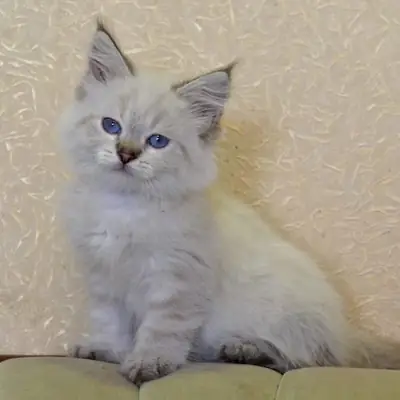
Gatitos Siberianos en Adopción
Male
Educated
Free Adoption
53 views
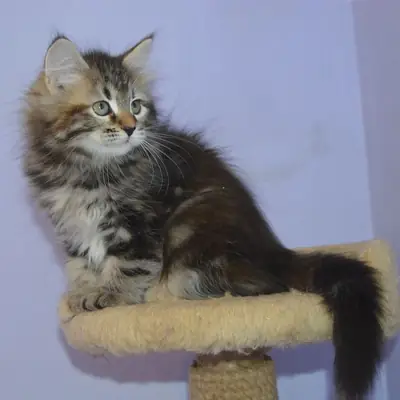
correspondiente de los gatitos.
Male
Not Educated
Free Adoption
114 views
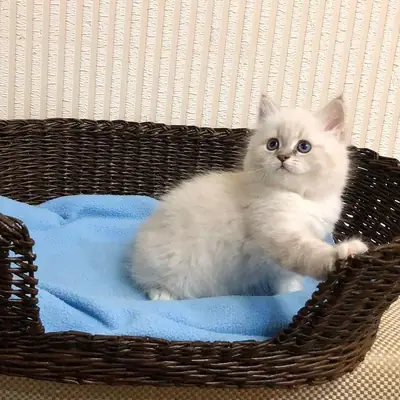
Los padres se sometieron
Male
Not Educated
Free Adoption
88 views
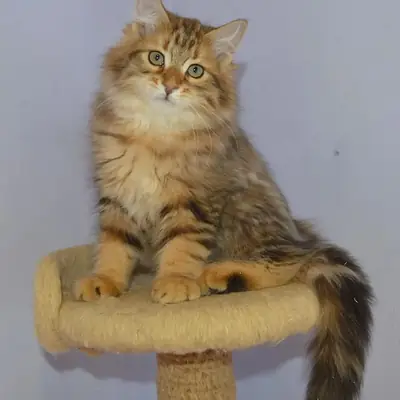
Los gatitos tienen nombres
Male
Not Educated
Free Adoption
92 views
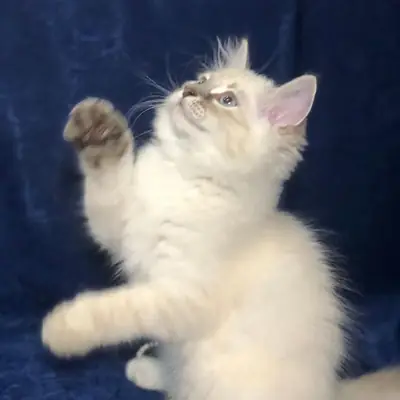
Todos los gatitos son juguetones, curiosos y están acostumbrados a los ruidos cotidianos.
Male
Not Educated
Free Adoption
76 views
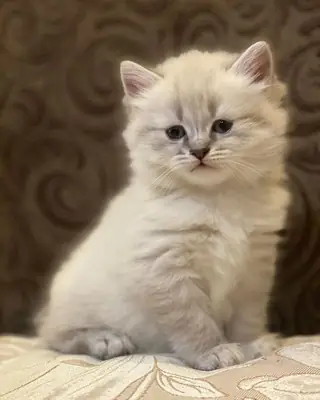
2 machos y 5 hembras.
Male
Not Educated
Free Adoption
84 views
free German Rex adoption listings
German Shepherd Puppies From Outstanding Parents
Male
Educated
Free Adoption
1261 views
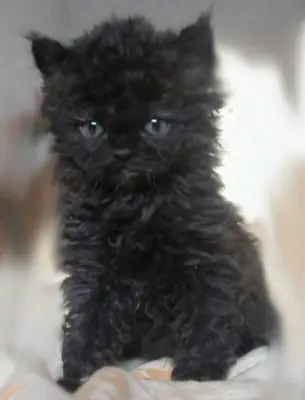
Lovable, feedable pet
German Rex for Adoption | Intelligent and Playful Cat
Female
Not Educated
Free Adoption
1936 views

German Rex in good hands
Female
Not Educated
Free Adoption
1360 views