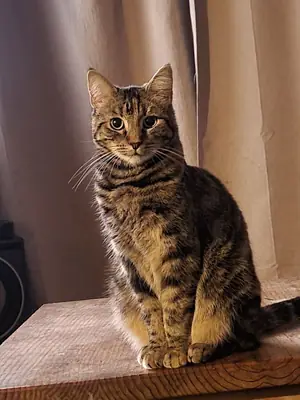
vs
Click on the breeds above to change the breed you want to compare.
Compare Siberian and Manx side by side: temperament, energy, trainability, apartment fit, shedding, lifespan, weight and free adoption listings.
Breed traits
Character & behavior
Energy level
Playfulness
Intelligence
Trainability
Protectiveness
Sociability
Can stay alone
Lifestyle fit
Apartment-friendly
Yes
Yes
Good with kids
Yes
Yes
Good for first-time owners
Yes
Yes
Shedding
Noise level
Exercise needs
Physical & general
Life span
12–15 years
9–15 years
Weight
4.5–9 kg
3.6–5.4 kg
Height
30–40 cm
25–30 cm
Origin
Siberia
Isle of Man
Grooming effort
Nutrition sensitivity
Health risk
Heat tolerance
Cold tolerance
When comparing the Siberian and the Manx breeds, both offer unique characteristics that cater to different lifestyles and preferences. The Siberian, originating from Siberia, is known for its robust energy levels and sociable nature, making it a great companion for active families. In contrast, the Manx, hailing from the Isle of Man, is slightly smaller and has a moderate energy level, appealing to those who may prefer a more laid-back pet. Both breeds are suitable for first-time owners and are good with children, but they differ in aspects such as weight, height, and grooming needs. Understanding these differences can help potential pet owners make an informed decision based on their living situation and personal preferences.
Siberian — Advantages
Higher sociability level (5) for better interaction with family and other pets.
Excellent climate tolerance for cold (5), ideal for colder regions.
Good energy level (4) for active families who enjoy playtime.
Good with kids, making them a family-friendly option.
Excellent climate tolerance for cold (5), ideal for colder regions.
Good energy level (4) for active families who enjoy playtime.
Good with kids, making them a family-friendly option.
Disadvantages
Higher weight range (4.50 - 9.00 kg) may require more space.
Moderate shedding level (3) may lead to more cleaning.
Grooming difficulty is moderate (3), requiring regular maintenance.
Moderate shedding level (3) may lead to more cleaning.
Grooming difficulty is moderate (3), requiring regular maintenance.
Manx — Advantages
Slightly smaller size (3.60 - 5.40 kg) fits better in smaller living spaces.
Lower shedding level (2) makes for easier maintenance.
Easier grooming difficulty (2) requires less time and effort.
Lower shedding level (2) makes for easier maintenance.
Easier grooming difficulty (2) requires less time and effort.
Disadvantages
Lower energy level (3) may not be as engaging for very active families.
Moderate climate tolerance for cold (3) may not be suitable for extreme cold areas.
Slightly lower sociability level (4) compared to Siberian.
Moderate climate tolerance for cold (3) may not be suitable for extreme cold areas.
Slightly lower sociability level (4) compared to Siberian.
Frequently Asked Questions
How much exercise do Siberians need?
Siberians have a high exercise need (4), requiring regular playtime and activities.
Are Manx cats good for families with children?
Yes, Manx cats are good with kids and make great family pets.
Which breed is better for apartment living?
Both breeds are apartment-friendly, but the smaller size of the Manx may be more suitable.
How do the grooming needs compare between the two breeds?
Siberians have a moderate grooming difficulty (3) while Manx cats have an easier grooming difficulty (2).
What is the lifespan of these breeds?
Siberians typically live between 12 to 15 years, while Manx cats have a lifespan of 9 to 15 years.
free Siberian adoption listings

Find Purebred Siberian Kittens
Male
Educated
Free Adoption
96 views
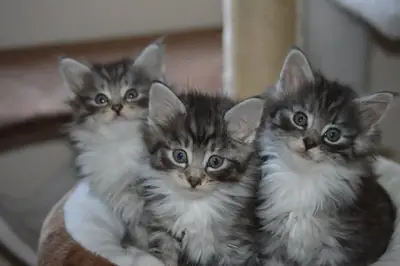
Siberian kittens fully vaccinated and microchipped Email : jacobmatirns@gmail.com
Male
Educated
Free Adoption
459 views
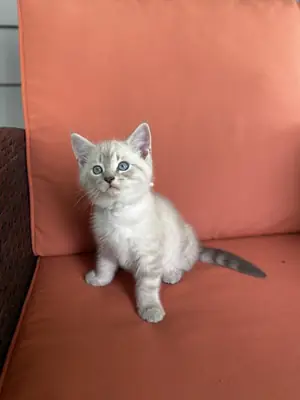
Siberian kittens
Male
Not Educated
Free Adoption
690 views
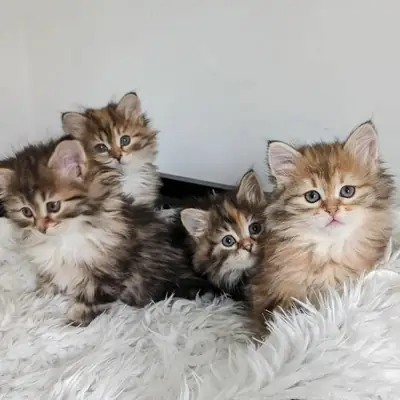
Gatitos siberianos. Correo electrónico (jessicabaynton2@gmail.com)
Male
Educated
Free Adoption
783 views
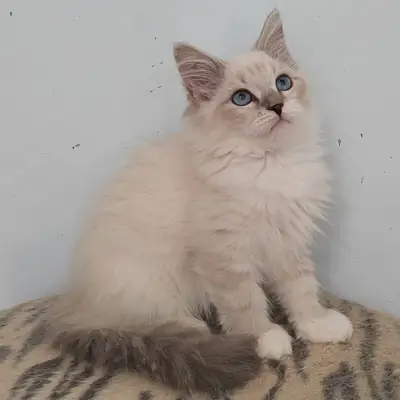
Siberian kitten
Male
Not Educated
Free Adoption
869 views

Beautiful Pure Siberian Kittens - Hypoallergenic
Male
Educated
Free Adoption
859 views