vs
Click on the breeds above to change the breed you want to compare.
Compare Tennessee Rex and Asian side by side: temperament, energy, trainability, apartment fit, shedding, lifespan, weight and free adoption listings.
Breed traits
Character & behavior
Energy level
Playfulness
Intelligence
Trainability
Protectiveness
Sociability
Can stay alone
Lifestyle fit
Apartment-friendly
Yes
Yes
Good with kids
Yes
Yes
Good for first-time owners
Yes
Yes
Shedding
Noise level
Exercise needs
Physical & general
Life span
12–15 years
12–15 years
Weight
3.5–5.5 kg
3.5–5.5 kg
Height
30–35 cm
30–35 cm
Origin
United States
Southeast Asia
Grooming effort
Nutrition sensitivity
Health risk
Heat tolerance
Cold tolerance
The Tennessee Rex and the Asian breed are both small-sized pets with similar lifespans, weight ranges, and height. Both breeds are friendly and sociable, making them excellent companions for families and first-time pet owners. However, they differ in their origin, noise levels, and climate tolerance. The Tennessee Rex hails from the United States, while the Asian breed originates from Southeast Asia. Additionally, the Tennessee Rex has a lower noise level, which may be beneficial for those living in close quarters. On the other hand, the Asian breed has a higher tolerance for hot climates, making it potentially more suitable for warmer environments. Overall, both breeds have their unique advantages and considerations for prospective owners.
Tennessee Rex — Advantages
- Lower noise level (2) compared to the Asian breed (3)
- Good with kids, making it a family-friendly option
- Is apartment-friendly, ideal for smaller living spaces
- Good for first-time owners due to its manageable traits
- Moderate shedding level (2) for easier maintenance
- Good with kids, making it a family-friendly option
- Is apartment-friendly, ideal for smaller living spaces
- Good for first-time owners due to its manageable traits
- Moderate shedding level (2) for easier maintenance
Disadvantages
- Moderate health risk (3) compared to the Asian breed's lower risk (2)
- Less climate tolerance for hot weather (3) than the Asian breed (4)
- Can stay alone for a moderate amount of time (3), which may not suit all owners
- Less climate tolerance for hot weather (3) than the Asian breed (4)
- Can stay alone for a moderate amount of time (3), which may not suit all owners
Asian — Advantages
- Lower health risk (2) compared to the Tennessee Rex (3)
- Higher climate tolerance for hot weather (4), suitable for warmer climates
- Similar sociability and playfulness levels, fostering companionship
- Also good with kids and first-time owners, enhancing its appeal
- Higher climate tolerance for hot weather (4), suitable for warmer climates
- Similar sociability and playfulness levels, fostering companionship
- Also good with kids and first-time owners, enhancing its appeal
Disadvantages
- Higher noise level (3) compared to the Tennessee Rex (2)
- Similar moderate exercise needs (3), which may require regular activity
- Can stay alone for a moderate amount of time (3), which may not suit all owners
- Similar moderate exercise needs (3), which may require regular activity
- Can stay alone for a moderate amount of time (3), which may not suit all owners
Frequently Asked Questions
Which breed is better for families with children?
Both breeds are good with kids, making them suitable for families.
How do the noise levels compare between the two breeds?
The Tennessee Rex has a lower noise level (2) compared to the Asian breed (3).
Are both breeds suitable for apartment living?
Yes, both breeds are apartment-friendly.
Which breed has a better tolerance for hot climates?
The Asian breed has a higher tolerance for hot climates (4) compared to the Tennessee Rex (3).
How do the health risks compare between the two breeds?
The Asian breed has a lower health risk (2) compared to the Tennessee Rex (3).
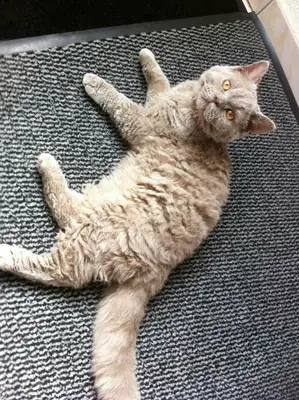
free Asian adoption listings

Precioso tití buscando nuevo hogar
Male
Educated
Free Adoption
186 views
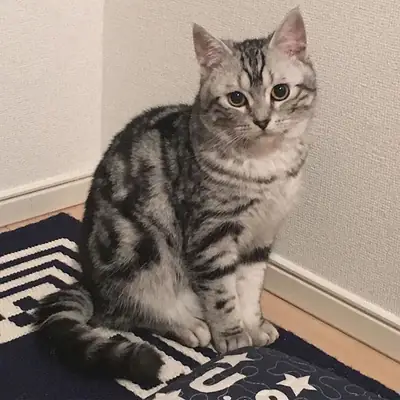
Asian Cat Adoption | Elegant and Loving Bree
Male
Not Educated
Free Adoption
1409 views
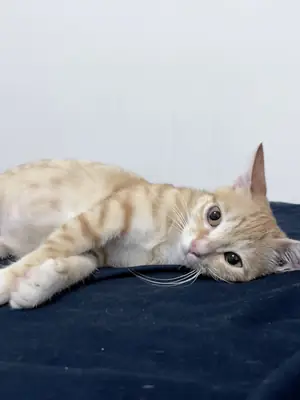
Cute, affectionate little orange cat seeking adoption online
Male
Not Educated
Free Adoption
1287 views