vs
Click on the breeds above to change the breed you want to compare.
Compare Turkish Van and Dwelf side by side: temperament, energy, trainability, apartment fit, shedding, lifespan, weight and free adoption listings.
Breed traits
Character & behavior
Energy level
Playfulness
Intelligence
Trainability
Protectiveness
Sociability
Can stay alone
Lifestyle fit
Apartment-friendly
Yes
Yes
Good with kids
Yes
Yes
Good for first-time owners
Yes
Yes
Shedding
Noise level
Exercise needs
Physical & general
Life span
12–15 years
12–15 years
Weight
3.5–7 kg
2.5–4.5 kg
Height
30–40 cm
20–25 cm
Origin
Turkey
United States
Grooming effort
Nutrition sensitivity
Health risk
Heat tolerance
Cold tolerance
When considering the Turkish Van and the Dwelf, both breeds offer unique characteristics that appeal to different types of pet owners. The Turkish Van, originating from Turkey, is known for its playful and sociable nature, making it an excellent companion for families and first-time owners. With a solid energy level and moderate grooming needs, this breed thrives in active households. On the other hand, the Dwelf, a breed from the United States, is slightly smaller and also very sociable, with a playful demeanor. It has a lower exercise requirement and is suitable for apartment living. While both breeds are good with children and first-time owners, their differences in size, energy levels, and grooming needs may influence your choice depending on your lifestyle and living situation.
Turkish Van — Advantages
Larger size (3.5-7 kg) provides a more robust presence.
Higher energy level (4) encourages more active play.
Moderate grooming difficulty (2) makes maintenance manageable.
Good climate tolerance in hot weather (4).
Higher energy level (4) encourages more active play.
Moderate grooming difficulty (2) makes maintenance manageable.
Good climate tolerance in hot weather (4).
Disadvantages
Higher exercise need (4) may require more daily activity.
Slightly higher shedding level (3) could lead to more cleaning.
Can be noisy (2), which may not suit all households.
Slightly higher shedding level (3) could lead to more cleaning.
Can be noisy (2), which may not suit all households.
Dwelf — Advantages
Smaller size (2.5-4.5 kg) makes it easier to handle and suitable for smaller spaces.
Lower exercise need (3) is ideal for less active owners.
Lower shedding level (2) means less fur around the house.
Good trainability (4) allows for easier learning of commands.
Lower exercise need (3) is ideal for less active owners.
Lower shedding level (2) means less fur around the house.
Good trainability (4) allows for easier learning of commands.
Disadvantages
Lower energy level (3) may not satisfy very active families.
Less climate tolerance in cold weather (2) could be a concern in colder climates.
Higher noise level (3) might be bothersome in quiet environments.
Less climate tolerance in cold weather (2) could be a concern in colder climates.
Higher noise level (3) might be bothersome in quiet environments.
Frequently Asked Questions
How do the energy levels of Turkish Van and Dwelf compare?
The Turkish Van has a higher energy level (4) compared to the Dwelf (3), making it more active and playful.
Which breed is better for apartment living?
Both breeds are apartment-friendly, but the Dwelf's smaller size may make it more suitable for very small spaces.
Are Turkish Vans good with children?
Yes, Turkish Vans are known to be good with kids, making them a great family pet.
What is the grooming difficulty for each breed?
Both breeds have a moderate grooming difficulty (2), making them relatively easy to maintain.
Which breed has a longer lifespan?
Both the Turkish Van and Dwelf have similar lifespans, ranging from 12 to 15 years.
free Turkish Van adoption listings
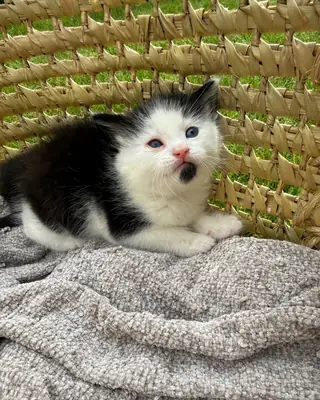
Turkish Van Kittens Ready
Male
Not Educated
Free Adoption
160 views
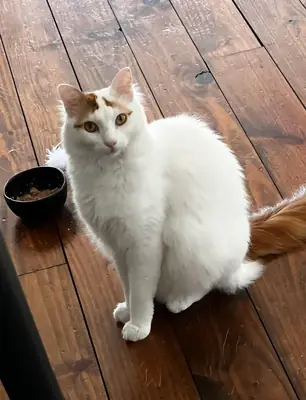
Turkish van cat used to apartment life
Male
Not Educated
Free Adoption
844 views

They are looking for new homes.
Male
Educated
Free Adoption
513 views
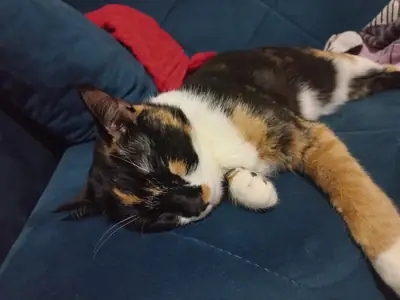
6-year-old tricolored tabby cat
Male
Educated
Free Adoption
460 views
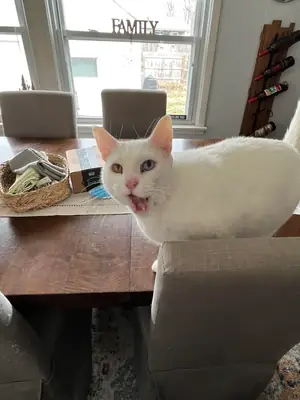
cat van, used to house
Male
Not Educated
Free Adoption
924 views
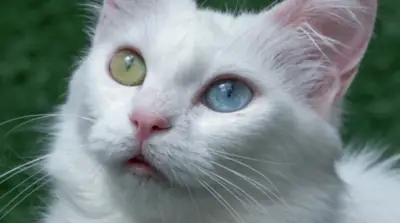
The 319 most love-collecting friend
Van cat adoption amazing cat
Male
Educated
Free Adoption
2122 views
free Dwelf adoption listings
No listings for this breed at the moment.