vs
Click on the breeds above to change the breed you want to compare.
Compare Turkish Van and Russian Blue side by side: temperament, energy, trainability, apartment fit, shedding, lifespan, weight and free adoption listings.
Breed traits
Character & behavior
Energy level
Playfulness
Intelligence
Trainability
Protectiveness
Sociability
Can stay alone
Lifestyle fit
Apartment-friendly
Yes
Yes
Good with kids
Yes
Yes
Good for first-time owners
Yes
Yes
Shedding
Noise level
Exercise needs
Physical & general
Life span
12–15 years
15–20 years
Weight
3.5–7 kg
3.5–5.5 kg
Height
30–40 cm
30–35 cm
Origin
Turkey
Russia
Grooming effort
Nutrition sensitivity
Health risk
Heat tolerance
Cold tolerance
The Turkish Van and Russian Blue are two distinct cat breeds, each with unique characteristics and traits that appeal to different types of pet owners. The Turkish Van, originating from Turkey, is known for its playful and sociable nature, making it a great companion for families and first-time owners. With a moderate energy level and a playful disposition, this breed enjoys interactive playtime. On the other hand, the Russian Blue, hailing from Russia, is recognized for its intelligence and trainability, offering a slightly more reserved yet affectionate demeanor. This breed has a longer lifespan and is well-suited for apartment living, similar to the Turkish Van. While both breeds are good with children and first-time owners, their differences in energy levels and intelligence may influence potential owners' choices.
Turkish Van — Advantages
High sociability makes them great family pets.
Moderate energy level suitable for interactive play.
Good for first-time owners.
Apartment-friendly living conditions.
Moderate energy level suitable for interactive play.
Good for first-time owners.
Apartment-friendly living conditions.
Disadvantages
Slightly lower intelligence compared to Russian Blue.
Moderate exercise needs may require more engagement.
Shedding level is higher than Russian Blue.
Moderate exercise needs may require more engagement.
Shedding level is higher than Russian Blue.
Russian Blue — Advantages
Higher intelligence and trainability, making them easier to teach.
Longer lifespan compared to Turkish Van.
Lower shedding level, which may appeal to allergy sufferers.
Good climate tolerance for cold weather.
Longer lifespan compared to Turkish Van.
Lower shedding level, which may appeal to allergy sufferers.
Good climate tolerance for cold weather.
Disadvantages
Slightly lower energy level may lead to less playfulness.
May require more solitude, as they can stay alone longer.
Less sociable than Turkish Van, which may affect family dynamics.
May require more solitude, as they can stay alone longer.
Less sociable than Turkish Van, which may affect family dynamics.
Frequently Asked Questions
Which breed is better for families with children?
Both breeds are good with kids, but the Turkish Van is known for its higher sociability.
How do the grooming needs compare?
Both breeds have low grooming difficulty, but the Russian Blue has a lower shedding level.
What is the average lifespan of each breed?
The Turkish Van typically lives 12-15 years, while the Russian Blue can live 15-20 years.
Are they both suitable for apartment living?
Yes, both breeds are apartment-friendly.
How do their energy levels differ?
The Turkish Van has a higher energy level, while the Russian Blue has a more moderate energy level.
free Turkish Van adoption listings
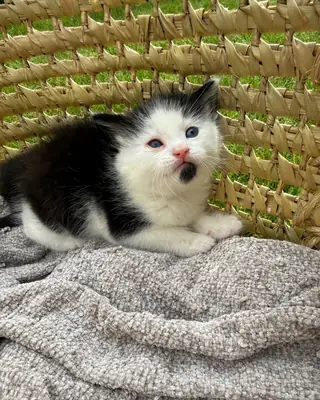
Turkish Van Kittens Ready
Male
Not Educated
Free Adoption
644 views
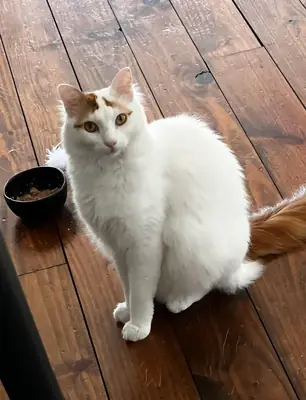
Turkish van cat used to apartment life
Male
Not Educated
Free Adoption
1079 views
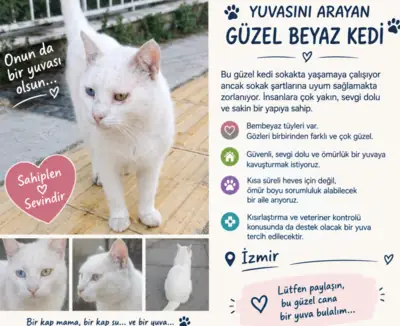
Urgent home
Male
Not Educated
Free Adoption
140 views
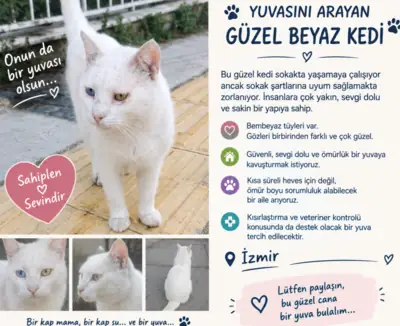
A very sweet creature that was eagerly bought and is trying to live on the street
Male
Not Educated
Free Adoption
292 views
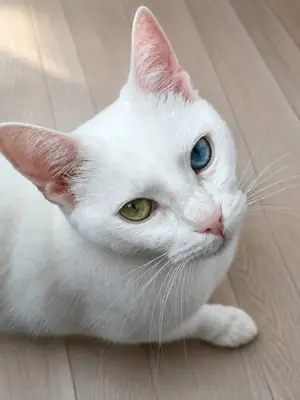
The 290 most love-collecting friend
Van Cat Mother and 2 Kittens – Looking for a Loving Family
Male
Not Educated
Free Adoption
466 views
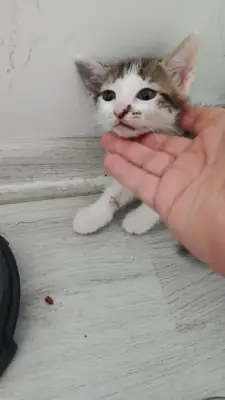
They are looking for new homes.
Male
Educated
Free Adoption
938 views
free Russian Blue adoption listings
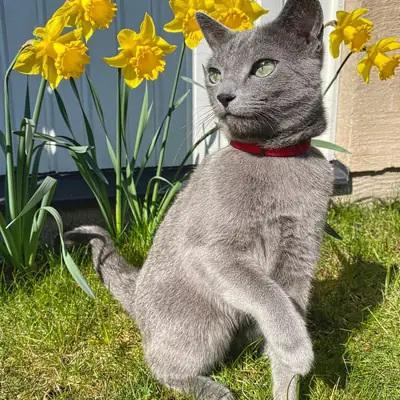
agradable para todos cuando los gatos domésticos pueden jugar juntos
Male
Educated
Free Adoption
52 views
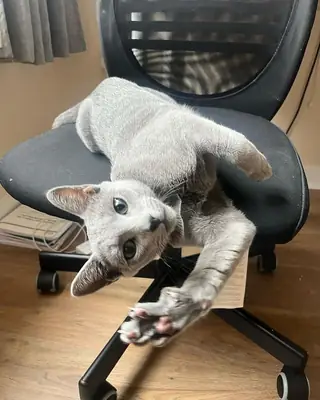
Dado que crecen juntos en nuestra manada, nuestros gatitos deberían
Male
Educated
Free Adoption
45 views
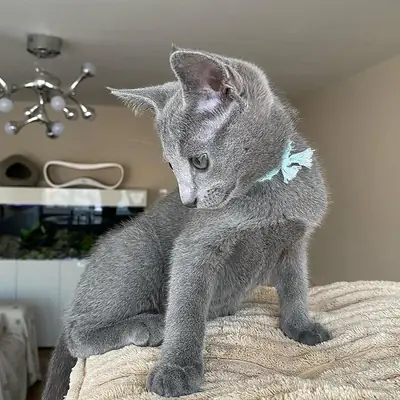
Azul ruso encantador
Male
Educated
Free Adoption
42 views
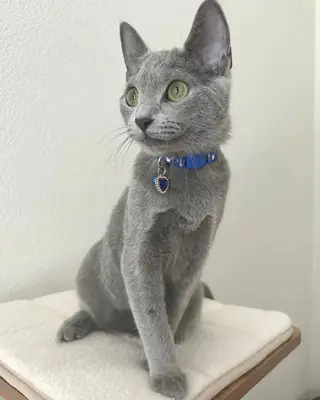
Encantadores gatitos Russian Blue Soul buscan un hogar definitivo.
Male
Educated
Free Adoption
46 views
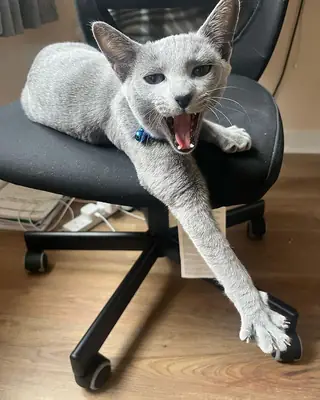
La supuesta hipoalergenicidad
Male
Not Educated
Free Adoption
40 views
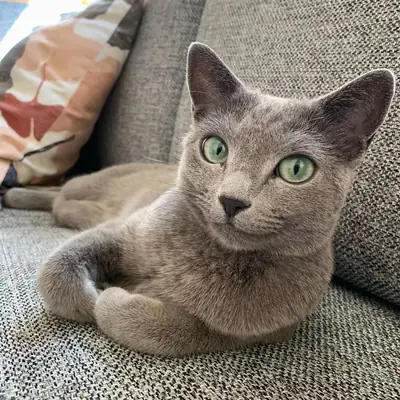
Los gatitos estarán listos para ir a sus nuevos hogares
Male
Not Educated
Free Adoption
44 views