vs
Click on the breeds above to change the breed you want to compare.
Compare Vizsla and Mixed Breed Dog side by side: temperament, energy, trainability, apartment fit, shedding, lifespan, weight and free adoption listings.
Breed traits
Character & behavior
Energy level
—
Playfulness
—
Intelligence
—
Trainability
—
Protectiveness
—
Sociability
—
Can stay alone
—
Lifestyle fit
Apartment-friendly
No
—
Good with kids
Yes
—
Good for first-time owners
Yes
—
Shedding
—
Noise level
—
Exercise needs
—
Physical & general
Life span
10–14 years
—
Weight
20–30 kg
—
Height
51–61 cm
—
Origin
Hungary
—
Grooming effort
—
Nutrition sensitivity
—
Health risk
—
Heat tolerance
—
Cold tolerance
—
When comparing the Vizsla and Mixed Breed Dog, it's important to consider the specific traits and characteristics of each breed. The Vizsla is a well-defined breed known for its high energy level, intelligence, and strong trainability, making it an excellent choice for active families and first-time owners. In contrast, the Mixed Breed Dog lacks specific data, making it challenging to assess its traits directly. However, mixed breeds are often praised for their unique characteristics and adaptability. The Vizsla's sociable nature and compatibility with children may appeal to families, while the Mixed Breed Dog may offer a more varied personality depending on its lineage. Ultimately, potential owners should weigh the defined attributes of the Vizsla against the potential unpredictability of a mixed breed.
Vizsla — Advantages
High energy level, suitable for active owners.
Excellent trainability, making it easy to teach commands.
Good with kids, making it a family-friendly option.
Sociable and friendly, enjoys being around people.
Good for first-time owners due to its manageable traits.
Excellent trainability, making it easy to teach commands.
Good with kids, making it a family-friendly option.
Sociable and friendly, enjoys being around people.
Good for first-time owners due to its manageable traits.
Disadvantages
Requires significant exercise to meet its energy needs.
Not suitable for apartment living due to its activity level.
Can struggle with being left alone, requiring companionship.
Moderate shedding may require regular grooming.
Not suitable for apartment living due to its activity level.
Can struggle with being left alone, requiring companionship.
Moderate shedding may require regular grooming.
Mixed Breed Dog — Advantages
Often unique in personality and appearance.
May have fewer breed-specific health issues.
Can be more adaptable to various living situations.
Potentially lower grooming needs depending on the mix.
May have fewer breed-specific health issues.
Can be more adaptable to various living situations.
Potentially lower grooming needs depending on the mix.
Disadvantages
Lacks defined traits, making it unpredictable in behavior.
May not have the same level of trainability as a purebred.
Socialization and temperament can vary widely based on lineage.
Health risks can be unknown without specific breed data.
May not have the same level of trainability as a purebred.
Socialization and temperament can vary widely based on lineage.
Health risks can be unknown without specific breed data.
Frequently Asked Questions
How much exercise does a Vizsla need?
Vizslas require a high level of exercise, ideally at least 1-2 hours of vigorous activity per day.
Are Vizslas good with children?
Yes, Vizslas are known to be good with kids and are very sociable.
What is the lifespan of a Vizsla?
The typical lifespan of a Vizsla ranges from 10 to 14 years.
Are Mixed Breed Dogs healthier than purebred dogs?
Mixed Breed Dogs can sometimes have fewer breed-specific health issues, but health varies widely depending on their genetic background.
Can a Vizsla live in an apartment?
No, Vizslas are not considered apartment-friendly due to their high energy levels and need for space to exercise.
free Vizsla adoption listings
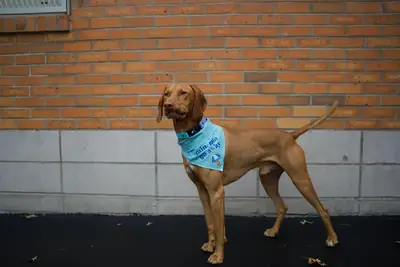
vizsla, needs a more active home
Male
Not Educated
Free Adoption
1412 views

Maltese puppies (male and female) in Mundemba.
Male
Educated
Free Adoption
688 views
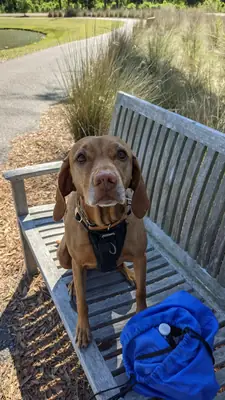
Active dog, needs more exercise
Male
Not Educated
Free Adoption
1142 views
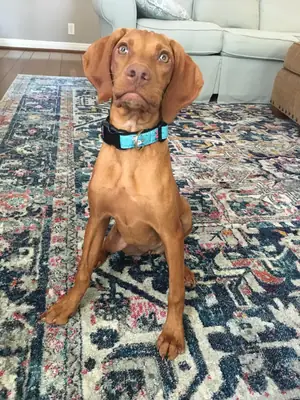
We have to give up our very energetic son.
Male
Not Educated
Free Adoption
1809 views
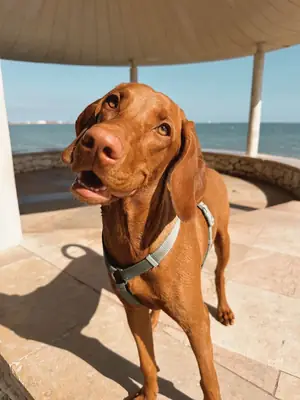
Young male Vizsla available for free adoption in the UK
Male
Not Educated
Free Adoption
2027 views

Vizsla for Sale – Energetic and Athletic
Male
Educated
Free Adoption
1940 views
free Mixed Breed Dog adoption listings

Zwergschnauzer-Welpen …schreiben Sie mir per
Male
Educated
Free Adoption
23 views
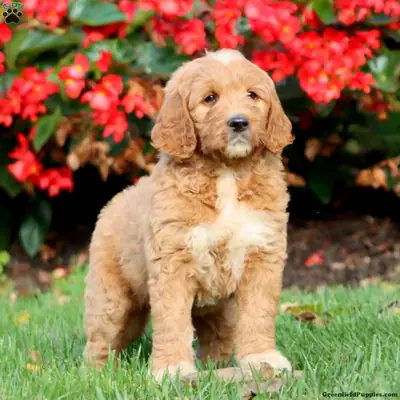
Hermoso cachorro Goldendoodle
Male
Not Educated
Free Adoption
52 views
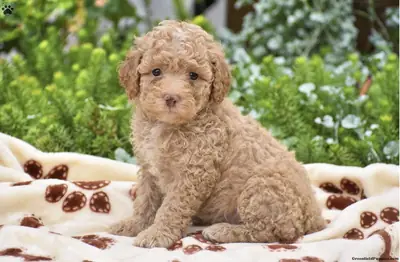
Cachorros juguetones de caniche miniatura
Male
Not Educated
Free Adoption
33 views
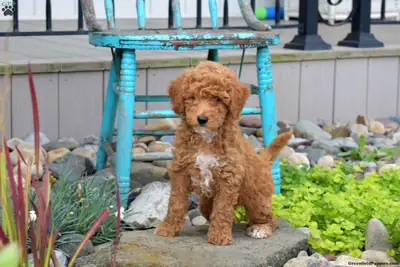
Cachorro de caniche miniatura súper lindo
Male
Not Educated
Free Adoption
29 views
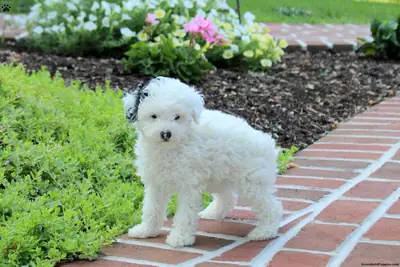
Adorable cachorro de caniche miniatura
Male
Not Educated
Free Adoption
27 views

El cachorro de caniche miniatura cuenta con revisión veterinaria.
Male
Not Educated
Free Adoption
27 views