vs
Click on the breeds above to change the breed you want to compare.
Compare Welsh Corgi and Greyhound side by side: temperament, energy, trainability, apartment fit, shedding, lifespan, weight and free adoption listings.
Breed traits
Character & behavior
Energy level
Playfulness
Intelligence
Trainability
Protectiveness
Sociability
Can stay alone
Lifestyle fit
Apartment-friendly
Yes
Yes
Good with kids
Yes
Yes
Good for first-time owners
Yes
Yes
Shedding
Noise level
Exercise needs
Physical & general
Life span
12–15 years
10–14 years
Weight
10–13 kg
27–40 kg
Height
25–30 cm
68–76 cm
Origin
Wales
England
Grooming effort
Nutrition sensitivity
Health risk
Heat tolerance
Cold tolerance
The Welsh Corgi and Greyhound are both popular breeds, each with unique characteristics that cater to different lifestyles. The Welsh Corgi, originating from Wales, is a small to medium-sized breed known for its high intelligence and sociability. With a lifespan of 12 to 15 years, they are energetic and playful, making them great companions for active families. In contrast, the Greyhound, hailing from England, is a larger breed with a lifespan of 10 to 14 years. They are known for their speed and gentle demeanor, often requiring less playfulness but still needing regular exercise. Both breeds can adapt well to apartment living and are good with children, but their energy levels and physical needs differ significantly. Understanding these differences can help prospective pet owners choose the right breed for their home and lifestyle.
Welsh Corgi — Advantages
- High intelligence (5/5) allows for easy training
- Very sociable (5/5), great for families
- Good with kids, making them family-friendly
- Apartment-friendly, suitable for various living situations
- Moderate exercise needs (4/5), fitting for active owners
- Very sociable (5/5), great for families
- Good with kids, making them family-friendly
- Apartment-friendly, suitable for various living situations
- Moderate exercise needs (4/5), fitting for active owners
Disadvantages
- Moderate shedding level (3/5) may require regular grooming
- Can be noisy (3/5), which may not suit all environments
- Moderate protectiveness (3/5) may not be ideal for all owners
- Can be noisy (3/5), which may not suit all environments
- Moderate protectiveness (3/5) may not be ideal for all owners
Greyhound — Advantages
- Lower grooming difficulty (1/5), easy to maintain
- Less shedding (2/5), which is beneficial for allergy sufferers
- Good with kids, making them suitable for families
- Apartment-friendly, adaptable to smaller living spaces
- Moderate exercise needs (4/5), suitable for active owners
- Less shedding (2/5), which is beneficial for allergy sufferers
- Good with kids, making them suitable for families
- Apartment-friendly, adaptable to smaller living spaces
- Moderate exercise needs (4/5), suitable for active owners
Disadvantages
- Lower playfulness (2/5) may not satisfy very active families
- Moderate sociability (4/5) compared to Corgis
- Less protectiveness (2/5), which may not appeal to all owners
- Moderate sociability (4/5) compared to Corgis
- Less protectiveness (2/5), which may not appeal to all owners
Frequently Asked Questions
Which breed is better for families with children?
Both breeds are good with kids, but the Welsh Corgi is more sociable and playful.
How much exercise do these breeds need?
Both require moderate exercise, but the Corgi is more energetic and playful.
Are they suitable for apartment living?
Yes, both breeds are apartment-friendly.
Which breed has lower grooming needs?
The Greyhound has lower grooming difficulty.
How do they differ in trainability?
The Welsh Corgi has a higher intelligence rating, making them easier to train.
free Welsh Corgi adoption listings
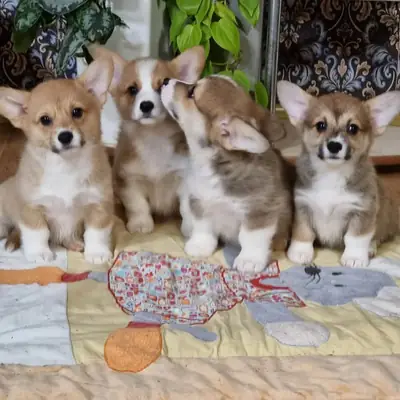
Cachorros de Corgi Galés
Male
Educated
Free Adoption
39 views
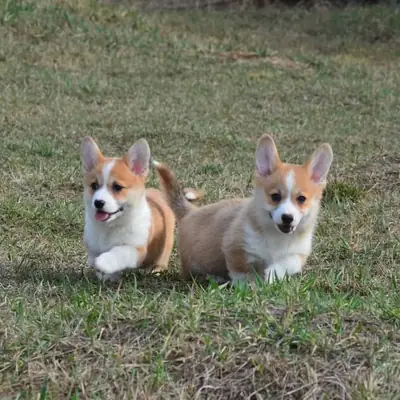
Hermosos cachorros de Corgi Galés disponibles
Male
Educated
Free Adoption
38 views
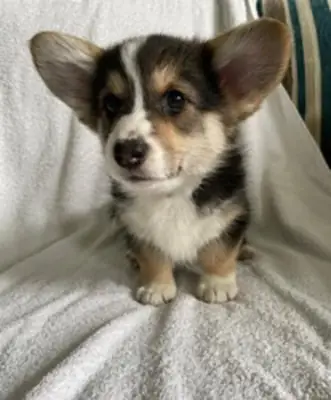
Show Quality Pembroke Welsh Corgi Pups
Male
Educated
Free Adoption
88 views
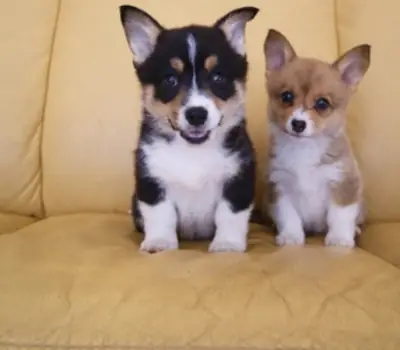
Beautiful Pembroke wish corgi puppies
Male
Educated
Free Adoption
92 views
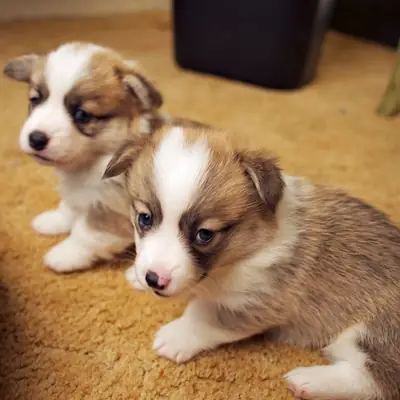
Playful Welsh Corgi Pups
Male
Educated
Free Adoption
286 views
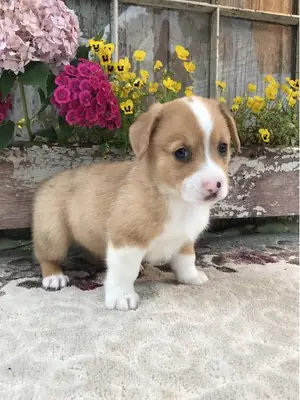
Kc pembroke corgi puppies: Email (jessicabaynton2@gmail.com)
Male
Not Educated
Free Adoption
357 views
free Greyhound adoption listings

Cachorros de galgo disponibles ahora. WhatsApp +17075726917
Male
Educated
Free Adoption
747 views

Giving Scottish Greyhound 8 months
Male
Educated
Free Adoption
344 views
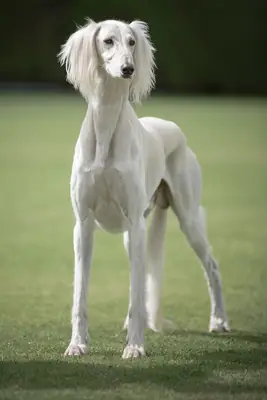
Elegant Saluki Adoption
Female
Not Educated
Free Adoption
1509 views