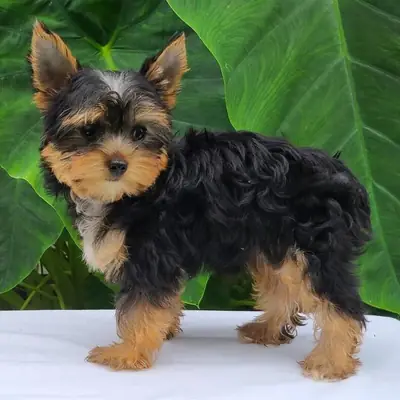
vs
Click on the breeds above to change the breed you want to compare.
Compare Bloodhound and Yorkshire Terrier side by side: temperament, energy, trainability, apartment fit, shedding, lifespan, weight and free adoption listings.
Breed traits
Character & behavior
Lifestyle fit
Physical & general
Bloodhound — Advantages
- Good with kids
- Moderate energy levels suited for active families
- Protective nature
Disadvantages
- Not apartment-friendly
- Lower trainability and intelligence compared to Yorkshire Terrier
- Higher shedding and noise levels
Yorkshire Terrier — Advantages
- High intelligence and trainability
- Suitable for first-time owners
- Low shedding and grooming requirements
Disadvantages
- Higher noise levels
- May not be as protective as Bloodhound
- Can have a higher energy need in smaller living spaces
Frequently Asked Questions
Which breed is better for families with children?
Both breeds are good with kids, but the Bloodhound's larger size and protective nature may offer more safety.
How much exercise do these breeds need?
Bloodhounds require more exercise compared to Yorkshire Terriers, who have moderate exercise needs.
Are these breeds suitable for first-time dog owners?
The Yorkshire Terrier is more suitable for first-time owners, while Bloodhounds may require more experience.
What are the grooming needs of each breed?
Bloodhounds have moderate grooming needs, while Yorkshire Terriers require regular grooming due to their long hair.
Can these breeds adapt to apartment living?
The Yorkshire Terrier is apartment-friendly, while the Bloodhound is not suitable for apartment living.
free Bloodhound adoption listings



free Yorkshire Terrier adoption listings

Yorkie puppies for adoption

**Cachorros de Yorkshire Terrier adorables y cariñosos en adopción**

Teacup Yorkie Puppies Available for Adoption

Teacup Yorkie Puppy

Quality Yorkie Puppies Available