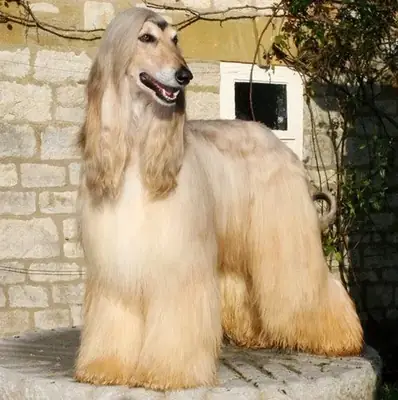
Afghan Hound 2026: Temperament, Costs, and Health Insights for Potential Owners
The Afghan Hound, renowned for its elegant appearance and independent spirit, is a breed with a rich history and distinctive traits. This guide explores the Afghan Hound's specific needs in grooming, health, and lifestyle to help potential adopters make informed decisions.
1. Breed identity & standards
The Afghan Hound originates from the mountainous regions of Afghanistan, where it was historically used for hunting. Known for its speed and agility, this breed is characterized by its long, flowing coat and aristocratic demeanor. Afghan Hounds typically weigh between 50-60 pounds (22-27 kg) and stand about 25-27 inches (64-69 cm) tall at the shoulder. Their lifespan ranges from 12 to 15 years, and their coats can be found in a variety of colors including black, cream, and red.
| Trait | Typical Value | Why it Matters |
|---|---|---|
| Origin | Afghanistan | Historical hunting background affects prey drive. |
| Size | 50-60 lbs (22-27 kg) | Affects exercise needs and space requirements. |
| Coat | Long, flowing | Requires regular grooming to prevent matting. |
| Lifespan | 12-15 years | Indicates long-term commitment for owners. |
2. Temperament & instincts
The Afghan Hound is known for its independence and sometimes aloof temperament. This breed's historical use as a hunter has endowed it with a strong prey drive and a tendency toward high energy levels. While they can be affectionate with their families, Afghan Hounds are often selective about their attention and may appear reserved around strangers. This characteristic makes them unique among more traditionally sociable breeds.
Despite their aloof nature, Afghan Hounds are playful and enjoy engaging in activities that challenge their agility and speed. They can be quite vocal, using a range of sounds to express themselves, but they are not typically excessive barkers. Their independent streak can make training a challenge, as they tend to think for themselves rather than follow commands blindly.
3. Daily activity / exercise needs by life stage
Afghan Hounds require regular exercise to maintain their physical and mental well-being. Their historical role as hunting dogs means they thrive on activities that allow them to run freely.
| Life Stage | Target | Notes |
|---|---|---|
| Puppy | 30-45 minutes daily | Focus on short, playful sessions to avoid strain. |
| Adult | 1-2 hours daily | Include runs and playtime in a secure area. |
| Senior | 30-45 minutes daily | Gentler exercise to maintain mobility without overexertion. |
4. Purchase/adoption price framework
The cost of acquiring an Afghan Hound can vary significantly based on factors such as pedigree, location, and breeder reputation. Adoption fees tend to be lower, while acquiring a puppy from a reputable breeder with health-tested lines can be more expensive.
| Option | Cost Range (USD) | Notes |
|---|---|---|
| Adoption | $100-$300 | Usually includes initial vet checks and vaccinations. |
| Breeder | $1,000-$3,000+ | Higher price for show-quality and health-tested dogs. |
5. First-year setup + monthly running cost
Owning an Afghan Hound involves initial setup costs and ongoing monthly expenses. These costs cover everything from initial veterinary care to daily necessities.
| Item | Cost (USD) | Notes |
|---|---|---|
| Neuter/Spay | $150-$300 | One-time cost if not included in adoption fee. |
| Vaccinations | $75-$150 | Annual boosters required. |
| Crate/Harness | $50-$100 | Essential for safe travel and training. |
| Monthly Food | $50-$100 | Depends on food quality and brand. |
| Grooming | $70-$100 per session | Regular sessions needed to maintain coat. |
| Yearly Total | $1,500-$2,500 | Includes all initial and ongoing costs. |
6. Nutrition by life stage
Providing a balanced diet is crucial for the Afghan Hound's health throughout its life stages.
| Life Stage | Dietary Needs | Notes |
|---|---|---|
| Puppy | High protein, DHA for development | Feed specially formulated puppy food. |
| Adult | Balanced diet with moderate protein | Avoid overfeeding to prevent obesity. |
| Senior | Lower calories, joint support | Consider supplements for joint health. |
7. Grooming / coat & hygiene care
The Afghan Hound's stunning coat requires significant grooming to keep it in top condition. Regular brushing, at least two to three times a week, is necessary to prevent tangles and matting. Full grooming sessions should occur every few weeks, ideally by a professional groomer familiar with the breed. Their coat can also attract dirt and debris, so regular baths are important to maintain hygiene.
Dental care is another crucial aspect of their routine. Regular brushing of their teeth helps prevent periodontal disease, which is common in many dog breeds. Nail trimming and ear cleaning should also be part of the Afghan Hound's grooming routine to prevent any infections or discomfort.
8. Health
Afghan Hounds are generally healthy but can be predisposed to certain hereditary conditions. Responsible breeders screen for these conditions to reduce the risk. Regular veterinary check-ups are essential to monitor for these issues and to ensure the overall health of the dog.
- Hip Dysplasia: A genetic condition that affects the hip joint, potentially leading to arthritis.
- Cataracts: A common eye condition that can impair vision and may require surgery.
- Hypothyroidism: A condition where the thyroid gland is underactive, affecting metabolism.
- Allergies: Can manifest as skin irritations or digestive issues and may require dietary adjustments.
Veterinary costs for these issues can vary, with treatments ranging from $200 to over $1,000, depending on the severity and condition.
9. Training / behaviour priorities
Training an Afghan Hound requires patience and consistency due to their independent nature. Early socialization and positive reinforcement are key to developing a well-mannered dog. Recall training is particularly important, given their strong prey drive and tendency to chase. It's crucial to begin training early to establish boundaries and ensure they respond to commands.
Impulse control exercises can help manage their prey instincts, while interactive toys and puzzle feeders can mentally stimulate them and reduce boredom. Training should be a fun and rewarding experience for both the dog and the owner to maintain engagement and motivation.
10. Home environment fit
Afghan Hounds can adapt to various living environments, but they thrive in homes where they have ample space to run and play. A securely fenced yard is ideal, as their hunting instincts might lead them to chase after small animals. They can live in apartments if their exercise needs are met, but they do best in homes with access to outdoor space.
They generally coexist well with other dogs if properly socialized from a young age. Their compatibility with children depends on the individual dog and the child's behavior, as Afghan Hounds may not tolerate rough play. Caution is advised when introducing them to small pets due to their strong prey drive.
11. Lifestyle fit matrix
| Lifestyle | Fit | Reason |
|---|---|---|
| Active Singles/Couples | High | Enjoys outdoor activities and exercise. |
| Families with Older Children | Moderate | Can be affectionate but may not tolerate rough play. |
| Apartment Dwellers | Low | Requires significant exercise and space for running. |
| First-time Dog Owners | Moderate | May require experienced handling due to independent nature. |
12. Breeder / shelter / adoption checklist
- Verify the breeder's reputation and ask for references.
- Request health clearances for genetic conditions common to Afghan Hounds.
- Meet the puppy's parents to assess temperament.
- Observe the living conditions of the dogs.
- Inquire about the socialization and early training provided.
- Ensure the puppy has received initial vaccinations and veterinary checks.
13. FAQ
Do Afghan Hounds shed a lot?
Afghan Hounds have long, flowing coats that do shed, but not excessively. Regular grooming helps manage shedding and keeps their coat in good condition. Frequent brushing will reduce loose hair around the home.
Are Afghan Hounds good with children?
Afghan Hounds can be good with older children who understand how to interact with dogs respectfully. They may not tolerate rough play from young children, so supervision is recommended. Proper socialization from a young age can improve their interactions with kids.
How much exercise do Afghan Hounds need?
Afghan Hounds require significant exercise, including daily walks and opportunities to run in a secure area. As former hunting dogs, they thrive on activities that challenge their speed and agility. Without adequate exercise, they may become bored and develop behavioral issues.
What health issues are Afghan Hounds prone to?
Afghan Hounds are predisposed to certain genetic conditions such as hip dysplasia, cataracts, and hypothyroidism. Regular veterinary check-ups and screenings can help manage these conditions and maintain their health. Responsible breeding practices can also reduce the risk of hereditary diseases.
14. Conclusion: Is the Afghan Hound right for you?
The Afghan Hound is a unique breed with specific needs that potential owners must consider carefully. Their independent nature, grooming requirements, and exercise demands make them best suited for experienced dog owners who can meet these challenges. If you're looking for a loyal, elegant companion and are prepared for the commitment they require, the Afghan Hound could be a rewarding choice.