Bloodhound 2026: Temperament, Health Insights & Adoption Costs
The Bloodhound is a breed renowned for its exceptional scent-tracking abilities and gentle nature. This guide delves into the breed's unique characteristics, including its historical role as a tracker, modern-day behaviour, and health predispositions. If you're considering bringing a Bloodhound into your home, understanding these aspects is crucial for a harmonious relationship.
1. Breed Identity & Standards
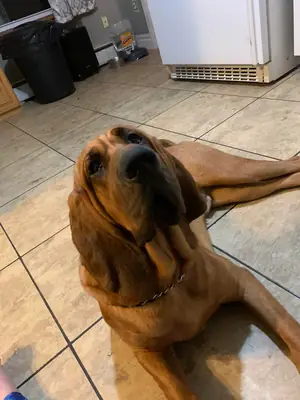
The Bloodhound is a large, powerful dog originally developed in medieval France for tracking humans and game. Known for their exceptional sense of smell, Bloodhounds have a distinct appearance with loose skin and long ears that help trap scent particles. Adult males typically weigh between 90 to 110 pounds (41 to 50 kg), while females range from 80 to 100 pounds (36 to 45 kg). They stand 23 to 27 inches (58 to 69 cm) tall at the shoulder.
The breed's coat is short and dense, coming in various colors such as black and tan, liver and tan, or red. Bloodhounds typically live between 10 to 12 years. However, their distinctive features can sometimes be confused with other breeds like the Basset Hound or the Coonhound, which share some similar physical traits.
| Trait | Typical Value | Why it Matters |
|---|---|---|
| Weight | 80-110 lbs (36-50 kg) | Large size requires spacious living conditions and strong handling. |
| Height | 23-27 inches (58-69 cm) | Height impacts space needs and exercise requirements. |
| Coat Colors | Black & Tan, Liver & Tan, Red | Color can influence personal preference for appearance. |
| Lifespan | 10-12 years | Understanding lifespan aids in long-term care planning. |
2. Temperament & Instincts
Bloodhounds are known for their gentle and affectionate disposition. Despite their imposing size, they are friendly and patient, making them excellent family companions. Historically bred for tracking, their instinctual drive to follow a scent is unparalleled. This trait can make them somewhat single-minded, especially if they catch an interesting scent, so secure fencing is essential to prevent them from wandering off.
They possess a natural curiosity and can be quite vocal, often baying to communicate excitement or alertness. This vocal nature, combined with their stubborn streak, can be a challenge for first-time dog owners. However, their loyalty and dedication to their human family make them rewarding pets for those who appreciate their unique personality.
3. Daily Activity / Exercise Needs by Life Stage
Bloodhounds are active dogs that require regular exercise to maintain their health and prevent boredom. Their exercise needs vary by age, but all stages benefit from structured activity.
| Life Stage | Target | Notes |
|---|---|---|
| Puppy | 30-45 minutes daily | Focus on short, gentle walks and play to avoid stress on growing joints. |
| Adult | 60-90 minutes daily | Include scent games and long walks to stimulate their tracking instinct. |
| Senior | 30-45 minutes daily | Adjust activity to their comfort level, focusing on gentle walks and mental stimulation. |
4. Purchase/Adoption Price Framework
The cost of acquiring a Bloodhound can vary significantly based on several factors, including pedigree, breeder reputation, and geographical location. Adoption from a shelter or rescue is typically more affordable.
| Source | Cost Range (USD) | Notes |
|---|---|---|
| Breeder | $1,200 - $2,500+ | Prices can be higher for show-quality or health-tested lines. |
| Rescue or Shelter | $200 - $500 | Includes basic vet care; adoption helps save a life. |
| Additional Costs | $300 - $800 | Consider travel expenses, initial vet visit, and basic supplies. |
5. First-Year Setup + Monthly Running Cost
Owning a Bloodhound entails several initial and ongoing expenses, particularly in the first year as you establish their living environment.
| Item | Cost Range (USD) | Notes |
|---|---|---|
| Initial Veterinary Care | $300 - $500 | Includes vaccinations, microchipping, and spaying/neutering. |
| Crate and Bedding | $150 - $300 | Essential for safe travel and comfortable rest. |
| Training Classes | $100 - $300 | Basic obedience training is recommended. |
| Monthly Food | $50 - $100 | High-quality diet suitable for large breeds. |
| Yearly Total | $1,500 - $3,000 | Includes all setup and ongoing care costs. |
6. Nutrition by Life Stage
Proper nutrition is essential for maintaining the health of a Bloodhound. Their dietary needs change as they grow, requiring adjustments in feeding practices.
| Life Stage | Dietary Needs | Notes |
|---|---|---|
| Puppy | High-protein, balanced diet | Feeds 3-4 times a day; supports growth and bone development. |
| Adult | Balanced diet with joint support | Feeds 2 times a day; maintain lean body condition. |
| Senior | Low-calorie, joint-focused diet | Feeds 2 times a day; monitor weight and adjust as needed. |
7. Grooming / Coat & Hygiene Care
Bloodhounds have a short, dense coat that is relatively easy to maintain. Regular grooming helps reduce shedding and maintain coat health. They are moderate shedders, and a weekly brushing will suffice to remove loose hair and distribute natural oils.
Due to their deep-set eyes and drooping skin, regular cleaning of the ears and eyes is crucial to prevent infections. Their long ears are particularly prone to collect dirt and moisture, so weekly checks and cleaning are recommended. Dental care is also important, and brushing their teeth several times a week helps prevent periodontal disease.
8. Health
Bloodhounds are generally healthy, but they are predisposed to certain hereditary conditions. Ethical breeders and responsible shelters should screen for these issues to ensure the health of the dogs they offer.
- Bloat (Gastric Dilatation-Volvulus): A life-threatening condition that requires immediate veterinary attention.
- Hip Dysplasia: A genetic condition affecting the hip joint, leading to arthritis and mobility issues.
- Ectropion: A condition where the eyelid rolls outward, often requiring surgical correction to prevent irritation.
- Elbow Dysplasia: A developmental issue that can cause lameness and arthritis.
Routine veterinary care and regular health screenings can help manage these conditions. Treatment costs can vary, with surgeries like those for hip dysplasia potentially reaching several thousand dollars. It’s advisable to set aside a budget for potential medical expenses.
9. Training / Behaviour Priorities
Training a Bloodhound requires patience and consistency due to their independent and sometimes stubborn nature. Early socialization and obedience training are crucial to help them develop good manners and reduce undesirable behaviours. Focus on recall and impulse control, as their strong scent drive can lead them to wander off unexpectedly.
Positive reinforcement methods work best, as Bloodhounds respond well to rewards and encouragement. Regular training sessions that incorporate scent work can also help fulfill their natural instincts and keep them mentally stimulated.
10. Home Environment Fit
Bloodhounds are best suited to homes with ample space, preferably with a secure yard where they can explore and exercise safely. Their size and energy level make them less ideal for apartment living, unless sufficient outdoor time and exercise are provided.
They generally get along well with children and other pets, but supervision is recommended due to their size and exuberance. A Bloodhound’s vocal nature might not be well-suited to environments where noise is a concern, such as shared walls in apartments or quiet neighborhoods.
11. Lifestyle Fit Matrix
| Lifestyle | Fit Verdict | Reason |
|---|---|---|
| Active Outdoor Enthusiast | Excellent | Loves long walks and outdoor activities. |
| Apartment Dweller | Poor | Requires more space and exercise than typically available. |
| Family with Young Kids | Good | Patient and gentle, but supervision required. |
| Busy Professional | Fair | Needs time commitment for exercise and training. |
12. Breeder / Shelter / Adoption Checklist
- Confirm the Bloodhound is screened for hip and elbow dysplasia.
- Ensure vaccinations are up to date and documented.
- Ask for a history of any hereditary health issues.
- Verify socialization with other pets and children.
- Inspect the living conditions for cleanliness and space.
- Request references or reviews from previous adopters.
13. FAQ
Do Bloodhounds shed a lot?
Bloodhounds are moderate shedders. Their short, dense coat requires weekly brushing to manage shedding and keep the coat healthy. Regular grooming helps minimize loose hair around the home.
Are Bloodhounds good with children?
Yes, Bloodhounds are known for their gentle and patient nature with children. However, due to their size and energy, supervision during interactions is recommended to ensure safety for both the dog and the child.
What are common health issues in Bloodhounds?
Bloodhounds may face health issues such as bloat, hip dysplasia, ectropion, and elbow dysplasia. Regular vet check-ups and awareness of symptoms can help manage these conditions effectively.
Is it hard to train a Bloodhound?
Training a Bloodhound can be challenging due to their independent nature and strong scent instincts. Consistent, positive reinforcement methods are effective, and incorporating scent work into training can be particularly rewarding.
Can Bloodhounds live in apartments?
While it's possible for Bloodhounds to live in apartments, it requires a commitment to providing ample exercise and outdoor activities. Their size and energy level are better suited to homes with yards.
14. 2026 Note & Closing Verdict
As of 2026, the Bloodhound continues to be a cherished breed for those who appreciate its unique qualities. Prospective owners should consider the breed's space and exercise needs along with its independent nature. Bloodhounds are well-suited for active families or individuals who can dedicate time to training and outdoor activities. They may not be the best fit for those with limited living space or time for regular exercise and training commitments. If these considerations align with your lifestyle, a Bloodhound can be a loyal and affectionate companion.