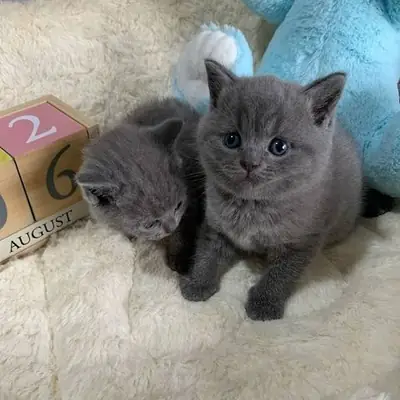
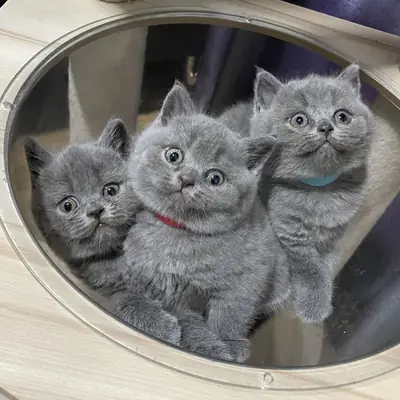
Brazilian Shorthair 2026: Temperament, Costs, and Health Insights
The Brazilian Shorthair is a versatile and charming cat breed, known for its agility and affectionate nature. Originating from Brazil, this breed has a varied coat and a strong prey drive, making it a fascinating companion for cat lovers.
1. Breed identity & standards
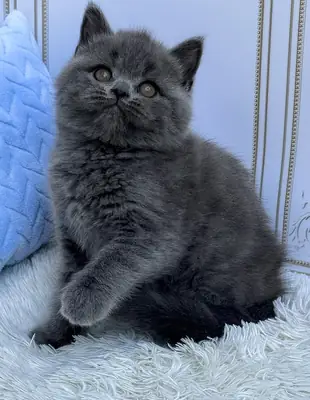
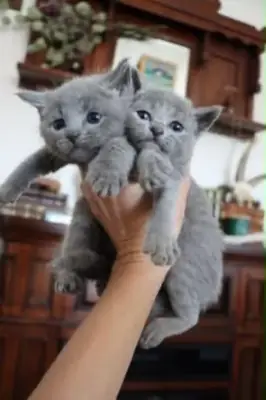
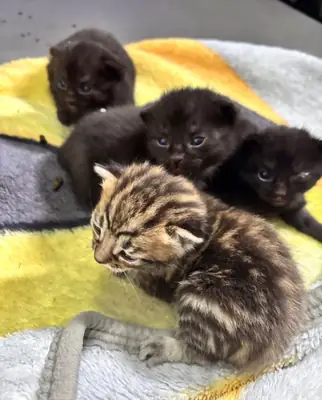
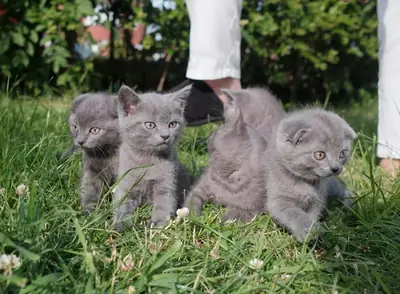
The Brazilian Shorthair is a breed that originates from Brazil, where it is known for its adaptability and street-smart nature. This cat is medium to large in size, with males typically weighing between 11–18 pounds (5–8 kg) and females slightly less. The breed stands at a height of about 9–13 inches (22–33 cm) at the shoulder. Their coat can vary widely, encompassing a range of colors and patterns, but it is always short and sleek, requiring minimal grooming.
While they may resemble other domestic shorthairs, the Brazilian Shorthair is distinguished by its athletic build and expressive eyes. This breed has a lifespan of around 14–20 years, a testament to their robust health and genetic diversity, often benefiting from hybrid vigor.
| Trait | Typical Value | Why it Matters |
|---|---|---|
| Origin | Brazil | Understanding origin helps appreciate its natural instincts. |
| Weight | 11–18 lbs (5–8 kg) | Indicates size and potential dietary needs. |
| Coat | Short, varied colors | Minimal grooming required, reducing upkeep. |
| Lifespan | 14–20 years | Long lifespan indicates longevity with proper care. |
2. Temperament & instincts
The Brazilian Shorthair is known for its energetic and curious nature, traits that are deeply rooted in its history as a street cat. These cats have a strong prey drive, making them excellent hunters. This instinct can be channeled into play, as they enjoy interactive toys and games that simulate hunting.
In terms of sociability, Brazilian Shorthairs are typically friendly and enjoy human companionship, making them suitable for families and single owners alike. However, they retain a degree of independence, often enjoying their own space and time to explore. Their vocality is moderate, meaning they communicate without being excessively noisy, a balance that many owners find appealing.
3. Daily activity / exercise needs by life stage
Brazilian Shorthairs require regular stimulation and exercise to maintain their physical and mental health. This is particularly important across different life stages:
| Life Stage | Target | Notes |
|---|---|---|
| Kitten | 60 minutes/day | Engage with toys that encourage physical activity. |
| Adult | 45 minutes/day | Interactive play helps maintain a healthy weight. |
| Senior | 30 minutes/day | Gentler play to accommodate aging joints. |
4. Purchase/adoption price framework
The cost of adopting a Brazilian Shorthair can vary widely based on the source and location:
| Source | Price Range (USD) | Notes |
|---|---|---|
| Breeder | $300–$1,200+ | Prices reflect pedigree and health testing. |
| Adoption | $50–$150 | Lower costs, adoption fees from shelters/rescues. |
It's essential to consider that purchasing from a reputable breeder often includes health guarantees, whereas adoption is a more economical option and supports animal welfare.
5. First-year setup + monthly running cost
Owning a Brazilian Shorthair involves initial setup and ongoing costs. Here's an overview:
| Item | Cost Range (USD) | Notes |
|---|---|---|
| Neuter/Spay | $100–$300 | One-time veterinary procedure. |
| Initial Vaccinations | $75–$150 | Essential for preventing disease. |
| Litter Box & Litter | $30–$100 | Initial setup and monthly replenishment. |
| Food | $20–$60/month | Varies based on brand and dietary needs. |
| Total First-Year Costs | $500–$1,200 | Includes setup and initial care. |
6. Nutrition by life stage
Proper nutrition is vital for the Brazilian Shorthair's health and longevity. Recommendations by life stage include:
| Life Stage | Dietary Needs | Notes |
|---|---|---|
| Kitten | High protein, high calories | Supports rapid growth and development. |
| Adult | Balanced diet | Maintain weight and energy levels. |
| Senior | Low calories, high fiber | Prevents obesity and supports digestion. |
7. Grooming / coat & hygiene care
The Brazilian Shorthair's short coat requires minimal grooming. Regular brushing once a week is usually sufficient to keep shedding under control and reduce hairballs. Additionally, routine dental care is essential; consider brushing their teeth regularly or providing dental treats to prevent periodontal disease.
Regular nail trimming and ear cleaning should also be part of their hygiene routine, helping to prevent common issues such as overgrown claws and ear infections.
8. Health
Brazilian Shorthairs are generally healthy cats, but like all breeds, they can be prone to certain health conditions. Prospective owners should be aware of the following:
- Hypertrophic Cardiomyopathy (HCM): A common cardiac condition in cats, characterized by thickening of the heart walls.
- Obesity: Due to their love of food, maintaining a healthy diet and exercise routine is crucial.
Regular veterinary check-ups are recommended to monitor their health and catch any potential issues early. Expect routine veterinary costs to be around $100–$250 annually, excluding emergencies.
9. Training / behaviour priorities
Training a Brazilian Shorthair involves focusing on litter box habits and encouraging appropriate scratching behavior. Providing plenty of scratching posts and redirecting their interest from furniture is crucial. These cats are intelligent and can learn to use a litter box with minimal effort.
Socialization is also key, as it helps them grow into well-adjusted adults. Engage them with toys and introduce them to varied environments to foster confidence and adaptability.
10. Home environment fit
Brazilian Shorthairs are adaptable and can thrive in various living settings, including apartments. Their moderate vocality and independent nature make them suitable for smaller spaces, provided they have enough stimulation and playtime.
They are generally good with children and can coexist with other pets. However, due to their prey drive, introductions with smaller pets like rodents or birds should be managed carefully to avoid any unintended consequences.
11. Lifestyle fit matrix
| Lifestyle | Fit Verdict | Reason |
|---|---|---|
| Single Owner | Good | Independent yet affectionate, perfect for singles. |
| Families with Kids | Excellent | Playful and tolerant, making them great family pets. |
| Busy Professionals | Moderate | Can manage alone but needs evening attention. |
| Pet Enthusiasts | Excellent | Enjoys company of other pets, adaptable. |
12. Breeder / shelter / adoption checklist
- Check for health screenings, particularly for HCM.
- Ensure vaccinations are up to date.
- Assess temperament through interaction.
- Confirm spaying/neutering status.
- Request a health guarantee or return policy.
- Verify breeder or shelter reputation through reviews.
13. FAQ
Does the Brazilian Shorthair shed a lot?
Brazilian Shorthairs have a short coat that sheds minimally. Regular weekly brushing can help manage shedding and keep their coat healthy.
Is the Brazilian Shorthair good with children?
Yes, they are generally very good with children. Their playful nature and tolerance make them excellent companions for families.
What health issues should I be aware of in Brazilian Shorthairs?
They are susceptible to conditions like Hypertrophic Cardiomyopathy (HCM) and obesity. Regular vet check-ups are crucial for early detection and management.
How much exercise does a Brazilian Shorthair need?
They require about 45 minutes of interactive play daily to maintain their health and manage their energy levels, adapting slightly depending on age.
14. 2026 note and closing verdict
In 2026, the Brazilian Shorthair continues to be a popular choice for those seeking a companion with a mix of independence and affection. Their adaptability to different living conditions makes them ideal for a wide range of households.
Who should adopt this breed? If you are looking for a low-maintenance, friendly, and active cat, the Brazilian Shorthair is an excellent choice. However, those with limited time for interaction or who own smaller pets should consider their active nature and prey drive.