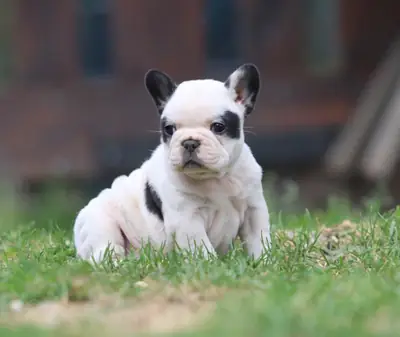
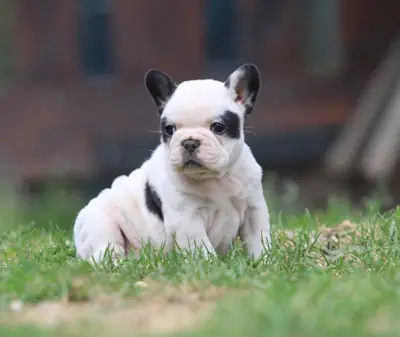
Bulldog Catalan Breed Characteristics: A Comprehensive Guide for 2026
The Bulldog Catalan, often misunderstood due to its uncommon name, offers a unique blend of traits that make it a fascinating companion. Known for its distinct appearance and robust constitution, this breed requires informed care and understanding. Delve into its origins, temperament, and health predispositions to decide if this breed aligns with your lifestyle.
1. Breed identity & standards
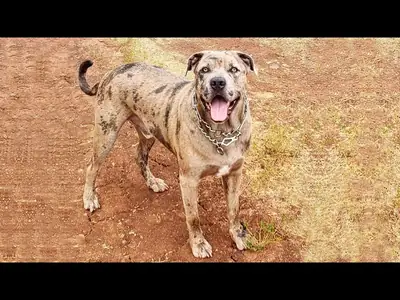
Originating from the Catalonia region, the Bulldog Catalan is a medium-sized breed known for its muscular build and distinctive facial features. Historically, these dogs were used for herding and guarding livestock, tasks that have shaped their sturdy and alert nature. They typically weigh between 20–30 kg (44–66 lbs) and stand about 45–55 cm (18–22 inches) tall at the shoulder. Lifespan ranges from 10 to 13 years, provided they receive appropriate care.
The Bulldog Catalan has a short, dense coat that comes in a variety of colors, including brindle, fawn, and black. This breed is often confused with other regional breeds like the Pyrenean Mastiff due to similarities in coat and size, but the Bulldog Catalan is distinguished by its specific head shape and demeanor.
| Trait | Typical Value | Why it Matters |
|---|---|---|
| Origin | Catalonia, Spain | Understanding its background helps in providing appropriate care and training. |
| Size | Medium (20–30 kg) | Size affects feeding, housing, and exercise needs. |
| Coat Type | Short, dense | Influences grooming requirements. |
| Lifespan | 10-13 years | Impacts long-term commitment and health planning. |
2. Temperament & instincts
The Bulldog Catalan's temperament is a direct reflection of its herding roots. Known for its protective instincts and alertness, this breed is highly vigilant, making it an excellent watchdog. Despite its protective nature, it is typically gentle and affectionate with family members, displaying a calm demeanor indoors. However, potential owners should be aware of its independent streak, a trait that can sometimes make training a bit challenging.
Socialization from a young age is crucial as the Bulldog Catalan may exhibit territorial behavior. This breed thrives in environments where its mental and physical activities are well-managed, reducing any tendencies towards restlessness or excessive barking. Owners who appreciate a dog that is both a guardian and a companion will find these instincts particularly appealing.
3. Daily activity / exercise needs by life stage
The Bulldog Catalan requires regular exercise to maintain its physical health and prevent obesity, a common issue in the breed due to its stocky build. Exercise needs vary with age, and it is essential to tailor activities to suit the dog's life stage.
| Life Stage | Target | Notes |
|---|---|---|
| Puppy | 30 minutes daily | Focus on gentle play and socialization. |
| Adult | 60-90 minutes daily | Include brisk walks and mental stimulation. |
| Senior | 30 minutes daily | Adapt to their pace and health limitations. |
4. Purchase/adoption price framework
The cost of acquiring a Bulldog Catalan can vary widely based on factors such as pedigree, location, and breeder reputation. It is important to consider both the initial purchase price and the long-term financial commitment involved in caring for this breed.
| Region | Price Range (USD) | Notes |
|---|---|---|
| United States | $800 - $2,500+ | Higher for health-tested lineage. |
| United Kingdom | £600 - £1,800+ | Adoption fees are typically lower. |
5. First-year setup + monthly running cost
Prospective owners should budget for both initial setup costs and ongoing expenses when considering a Bulldog Catalan. These include basic necessities such as food, grooming supplies, and veterinary care.
| Item | Cost (USD) | Notes |
|---|---|---|
| Initial Veterinary Costs (neuter, vaccines) | $300 - $500 | Essential for health and compliance with local regulations. |
| Monthly Food | $50 - $75 | Dependent on quality and dietary needs. |
| Monthly Parasite Prevention | $10 - $20 | Prevents common canine parasites. |
| Annual Total | $1,200 - $2,000 | Includes routine care and emergencies. |
6. Nutrition by life stage
A balanced diet is crucial for the Bulldog Catalan to ensure optimal health and longevity. Nutritional needs will change as the dog progresses through different life stages.
| Life Stage | Dietary Needs | Notes |
|---|---|---|
| Puppy | High protein, balanced calcium | Supports growth and bone development. |
| Adult | Balanced diet with controlled fat | Maintains weight and muscle mass. |
| Senior | Lower calories, joint support | Accommodates decreased activity and joint health. |
7. Grooming / coat & hygiene care
The Bulldog Catalan's short coat is relatively low maintenance. Regular grooming sessions, including weekly brushing, help reduce shedding and distribute natural oils. Bathing should be done only as needed to avoid skin irritation.
Owners should pay particular attention to the breed's facial folds, which can trap moisture and lead to infections if not cleaned regularly. Dental hygiene is also critical, as this breed can be prone to dental issues. Brushing teeth several times a week and providing dental chews can help maintain oral health.
8. Health
While the Bulldog Catalan is generally robust, there are several health conditions to be aware of. Responsible breeders should test for these conditions to ensure the health of their puppies.
- Hip Dysplasia — A genetic condition affecting the hip joint, common in medium to large breeds.
- Elbow Dysplasia — Affects the elbow joint, potentially leading to arthritis.
- Brachycephalic Airway Syndrome — Due to their facial structure, can lead to breathing difficulties.
- Obesity — Requires careful diet management to prevent.
Veterinary costs for these conditions can vary, with treatments ranging from $300 for initial assessments to $2,000+ for surgeries. Routine check-ups and preventive care are essential to catch any issues early.
9. Training / behaviour priorities
Training a Bulldog Catalan requires patience and consistency. Due to their independent nature, early socialization and basic obedience training are crucial. Positive reinforcement methods work best, as this breed can be sensitive to harsh training techniques.
Focus should be on recall training and impulse control, as these dogs can sometimes exhibit stubbornness. Providing mental stimulation through interactive toys and puzzles can help curb any destructive behaviours stemming from boredom.
10. Home environment fit
The Bulldog Catalan is adaptable to various living environments but thrives best in homes where it has access to outdoor spaces. While they can adjust to apartment living, it requires commitment to daily exercise to meet their physical needs.
They are generally good with children and other pets, provided they are introduced properly and socialized early. However, supervision is recommended around smaller pets due to the breed's strong prey drive.
11. Lifestyle fit matrix
| Lifestyle | Fit Verdict | Reason |
|---|---|---|
| Active singles/couples | Excellent | Enjoys regular exercise and companionship. |
| Families with children | Good | Gentle nature but requires supervision. |
| Apartment dwellers | Moderate | Needs regular outdoor activities. |
| Senior citizens | Moderate | May require assistance with exercise needs. |
12. Breeder / shelter / adoption checklist
- Verify breeder credibility or shelter reputation through reviews and references.
- Confirm health screenings for hip and elbow dysplasia.
- Ensure puppies are socialized and exposed to various environments.
- Request documentation of vaccinations and veterinary checks.
- Observe the living conditions of the puppies or dogs.
- Meet the puppy's or dog's parents, if possible, to assess temperament.
13. FAQ
Does the Bulldog Catalan shed a lot?
The Bulldog Catalan has a short, dense coat that sheds moderately. Regular brushing helps manage shedding and keeps the coat healthy.
Is the Bulldog Catalan good with children?
Yes, this breed is generally good with children. They are gentle and protective, although supervision is advised with younger kids to ensure safety.
What are common health issues in the Bulldog Catalan?
Common health issues include hip and elbow dysplasia and brachycephalic airway syndrome. Regular veterinary check-ups can help manage these conditions.
Is the Bulldog Catalan suitable for apartment living?
While they can adapt to apartment living, Bulldog Catalans require daily exercise and mental stimulation to stay healthy and content.
How much exercise does a Bulldog Catalan need?
Adults need about 60-90 minutes of exercise daily, including walks and playtime, to maintain their health and prevent obesity.
14. Closing Verdict
The Bulldog Catalan is a robust, loyal companion best suited for families or individuals who can meet their exercise and social needs. Those looking for a protective yet affectionate pet will find this breed a rewarding choice. However, prospective owners should be prepared for the responsibility of regular health monitoring and committed training to ensure a harmonious household.