Caique Parrots: 2026 Temperament, Health Insights, and Adoption Tips
Caique parrots are known for their vibrant personalities and striking plumage, making them a captivating choice for bird enthusiasts. This guide covers their unique temperament, health predispositions, and what potential adopters should consider before bringing one into their home.
1. Breed Identity & Standards
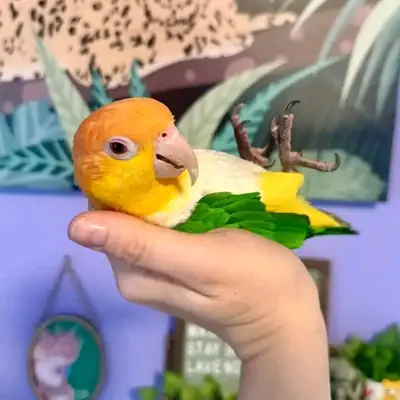
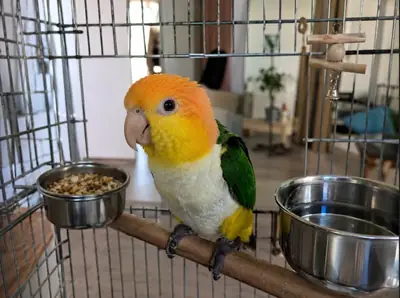
Caiques are medium-sized parrots native to South America, particularly found in countries like Brazil and Peru. Split into two main species—the Black-headed Caique (Pionites melanocephalus) and the White-bellied Caique (Pionites leucogaster)—these birds are celebrated for their vivid coloration. Black-headed Caiques are distinguishable by their black caps, while White-bellied Caiques have a predominantly white belly with a colorful head. Both types feature a striking array of green, yellow, and orange feathers.
Caiques typically measure about 23 cm (9 inches) in length and weigh between 150 to 170 grams. Their life expectancy ranges from 25 to 40 years when provided with adequate care, a testament to their durability and resilience. While not as large as macaws or cockatoos, their compact size does not diminish their demanding nature.
| Trait | Typical Value | Why it Matters |
|---|---|---|
| Origin | South America | Understanding their habitat helps in mimicking natural conditions. |
| Size | 23 cm, 150-170 g | Compact size requires specific cage dimensions. |
| Coat | Green, yellow, orange | Recognizable for their vibrant plumage. |
| Lifespan | 25-40 years | Long-term commitment needed. |
2. Temperament & Instincts
Caiques are renowned for their playful and energetic demeanor. Often described as "the clowns of the parrot world," these birds thrive on interaction and attention, making them an ideal choice for owners who can dedicate time to engage with them. Their inquisitive nature means they are always looking for new ways to explore their environment, so providing a stimulating setting is crucial.
Despite their sociable disposition, Caiques can exhibit territorial behavior, especially during breeding season. They are known for being quite vocal, using a variety of sounds to communicate their needs and emotions. Prospective owners should be prepared for their boisterous antics and ensure that they have a routine that accommodates the Caique's need for social interaction and play.
3. Daily Activity / Exercise Needs by Life Stage
To maintain their health and happiness, Caiques require ample exercise and mental stimulation across all life stages. Regular playtime outside their cage is essential for their well-being.
| Life Stage | Target | Notes |
|---|---|---|
| Juvenile | 2-3 hours/day | Focus on socialization and exploration. |
| Adult | 2-4 hours/day | Engage in interactive play and training. |
| Senior | 1-2 hours/day | Maintain gentle activity to prevent obesity. |
4. Purchase/Adoption Price Framework
The cost of acquiring a Caique parrot can vary significantly based on the source and the bird's age and training.
| Source | Price Range (USD) | Notes |
|---|---|---|
| Breeder | $1,000 - $2,000+ | Health-tested, well-socialized birds command higher prices. |
| Adoption | $200 - $800 | Typically lower but may come with unknown backgrounds. |
5. First-Year Setup + Monthly Running Cost
Owning a Caique involves initial setup costs and ongoing care expenses. Here's a breakdown of what new owners can expect:
| Item | Cost (USD) | Notes |
|---|---|---|
| Cage | $200 - $500 | Sufficient space for movement is crucial. |
| Initial Vet Check | $100 - $250 | Includes health screening and baseline testing. |
| Toys & Enrichment | $50 - $150 | Essential for mental stimulation. |
| Monthly Food | $20 - $40 | High-quality pellet-based diet recommended. |
| Annual Total | $800 - $1,200 | Varies based on individual care strategies. |
6. Nutrition by Life Stage
Proper nutrition is a cornerstone of Caique care, with dietary needs varying by age.
| Life Stage | Dietary Needs | Notes |
|---|---|---|
| Juvenile | High protein, balanced vitamins | Supports growth and development. |
| Adult | Pellet-based diet, fruits, and vegetables | Ensures balanced nutrition and prevents deficiencies. |
| Senior | Low-fat, vitamin-rich | Maintains health and prevents obesity. |
7. Grooming / Coat & Hygiene Care
Caiques require regular grooming to maintain their vibrant plumage and overall health. These parrots often engage in self-preening, but they also benefit from misting baths to keep their feathers in top condition. Providing access to clean water for bathing is crucial.
Beak and nail trimming should be done periodically to prevent overgrowth, which can lead to discomfort and health issues. Owners should also monitor their Caique's diet to prevent fatty liver disease, a condition that can arise from poor nutrition and lack of exercise.
8. Health
Caiques, like many parrots, can be susceptible to certain health issues. Regular veterinary check-ups are essential to catch and address any potential problems early. Common conditions include:
- Psittacine Beak and Feather Disease (PBFD)
- Respiratory infections
- Fatty liver disease
- Feather plucking
It's advisable for prospective owners to inquire about health screenings and genetic testing when purchasing from breeders. Veterinary costs can vary, but routine check-ups generally range from $50 to $100, with specific treatments incurring additional charges.
9. Training / Behavior Priorities
Caiques require consistent training and socialization to manage their exuberant behavior. Establishing boundaries early on can mitigate potential issues like biting or excessive noise. Positive reinforcement techniques work best, as Caiques are intelligent and respond well to rewards.
Interactive play and mental challenges are crucial. Simple tricks, puzzle toys, and social interaction can keep a Caique engaged and out of trouble. Training should focus on reinforcing calm behavior and discouraging aggression, especially during hormonal periods.
10. Home Environment Fit
Caiques thrive in environments where they have space to move and explore. While they can adapt to apartment living, adequate out-of-cage time is necessary to prevent boredom and destructive behavior. A home with space for a large cage and a safe play area is ideal.
Their social nature means they usually get along well with other birds, but care should be taken if introducing them to new avian companions. Caiques can coexist with children when properly supervised, but their playful nipping may not be suitable for very young kids. Caution is advised when cohabiting with other pets, especially cats or dogs.
11. Lifestyle Fit Matrix
| Lifestyle | Fit Verdict | Reason |
|---|---|---|
| Single Professional | Moderate | Requires commitment to daily interaction outside of work hours. |
| Family with Children | Good | Interactive and sociable, but supervision is needed. |
| Retiree | Excellent | Time available for interaction aligns well with Caique's social needs. |
| Frequent Traveler | Poor | Inconsistent presence can lead to behavioral issues. |
12. Breeder / Shelter / Adoption Checklist
- Check for health certifications, especially for PBFD.
- Observe the bird's interaction with humans and other birds.
- Inquire about the diet provided by the breeder or shelter.
- Request information on the bird's age and any previous medical history.
- Ensure the environment is clean and well-maintained.
- Ask about the bird's socialization and any training it has received.
13. FAQ
Are Caiques good for first-time bird owners?
Caiques can be a challenging choice for first-time bird owners due to their high energy levels and need for interaction. They are best suited for individuals who have experience with birds and can provide the time and attention these parrots require.
Do Caiques talk?
While Caiques are not known for their talking ability like some other parrot species, they can mimic sounds and occasionally learn a few words. However, they more commonly express themselves through a range of sounds and body language.
What is the lifespan of a Caique parrot?
The average lifespan of a Caique parrot is between 25 to 40 years. This long lifespan requires a significant commitment from the owner to ensure the bird's health and happiness throughout its life.
Can Caiques live with other birds?
Caiques can live with other birds, but introductions should be handled carefully. Their playful and sometimes territorial nature means that compatibility varies. It's important to monitor interactions closely to prevent any aggressive behavior.
14. Conclusion
Caiques are vibrant, engaging companions well-suited to those with the time and energy to meet their needs. Their long lifespan and demanding nature mean they are not a casual commitment, but for the right person or family, they offer years of joy and companionship. Prospective owners should carefully consider their ability to provide a stimulating and interactive environment before adopting.