Domestic Shorthair Cats 2026: Temperament, Health, and Adoption Costs
The Domestic Shorthair is a staple in homes across the globe, known for its incredible genetic diversity and adaptability. With a range of coat colors and patterns, as well as a robust constitution, these cats offer a unique blend of independence and affection, making them ideal for a variety of households.
1. Breed Identity & Standards
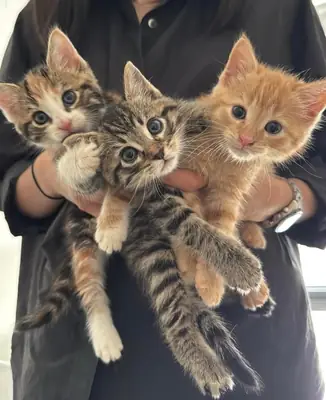
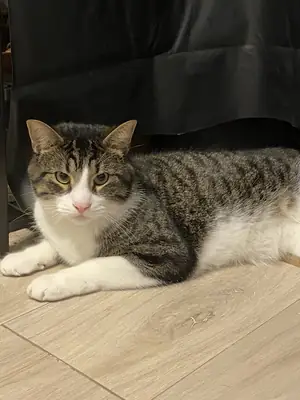
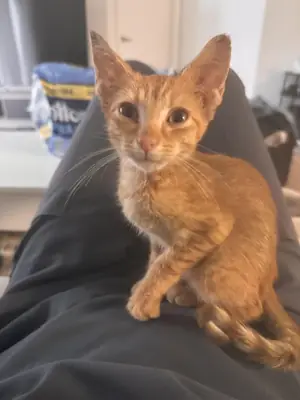
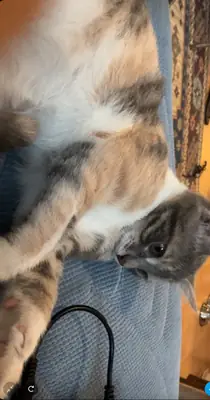
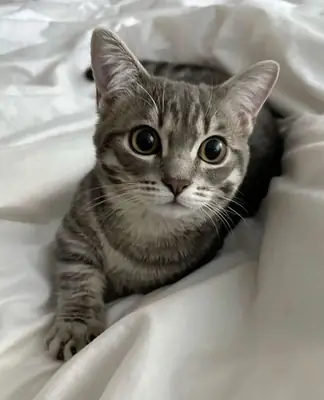
Unlike pedigreed cats, the Domestic Shorthair is not bound by specific breed standards, being a non-pedigree cat often found in homes and shelters. Originating from the natural interbreeding of various cat populations, these cats have gained widespread popularity due to their adaptability and health. They typically weigh between 8 to 15 pounds (3.6 to 6.8 kg) and stand about 9 to 10 inches (22.9 to 25.4 cm) tall at the shoulder. Their coats come in a multitude of colors and patterns, from solid to tabby, calico, and tortoiseshell.
| Trait | Typical Value | Why it Matters |
|---|---|---|
| Weight | 8-15 pounds | Varies widely due to mixed genetics |
| Height | 9-10 inches | Compact size fits various living spaces |
| Coat Variety | Multiple colors and patterns | High diversity in appearance |
| Lifespan | 12-15 years | Reflects general good health |
2. Temperament & Instincts
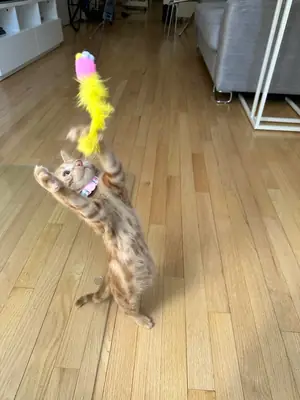
The Domestic Shorthair is celebrated for its versatility and balanced temperament, traits inherited from its mixed ancestry. Generally, these cats are known for their independent yet social nature. They are often described as affectionate but not overly demanding, making them perfect for both new and experienced cat owners. Their hunting instincts remain sharp, a nod to their historical role as pest controllers, and they tend to enjoy interactive play that simulates hunting.
While they are typically not as vocal as some pedigree breeds, individual Domestic Shorthairs may vary significantly in their expressiveness. They usually exhibit a good balance of energy and calmness, allowing them to adapt seamlessly to different household dynamics. This adaptability makes them a great fit for families, singles, and seniors alike.
3. Daily Activity / Enrichment Needs by Life Stage
Domestic Shorthairs require regular mental and physical stimulation to stay healthy and happy. Their daily activity needs will vary as they age, but engaging them with toys and playtime is crucial at every stage.
| Life Stage | Target | Notes |
|---|---|---|
| Kitten | 1-2 hours/day | Interactive play and exploration |
| Adult | 30-60 minutes/day | Variety of toys and climbing spaces |
| Senior | 15-30 minutes/day | Gentler play to maintain mobility |
4. Purchase/Adoption Price Framework
As the Domestic Shorthair is not a specific breed, it is commonly found in shelters at a lower cost than pedigree cats. However, adoption fees can vary based on factors such as location and the cat's health status.
| Region | Price Range | Notes |
|---|---|---|
| United States | $50-$150 | Higher in urban areas |
| United Kingdom | £40-£100 | Varies by shelter |
5. First-Year Setup + Monthly Running Cost
Properly budgeting for a Domestic Shorthair includes initial setup costs and ongoing monthly expenses. Essentials like neutering, vaccinations, and microchipping are part of the initial investment, while food and litter are recurring costs.
| Item | Cost Range | Notes |
|---|---|---|
| Neutering/Spaying | $100-$300 | One-time cost |
| Initial Vaccinations | $50-$100 | Includes core vaccines |
| Microchipping | $20-$50 | One-time cost |
| Monthly Food | $20-$40 | Quality cat food |
| Monthly Litter | $15-$25 | Varies by type and brand |
Annual Total Cost Range: $500-$1200
6. Nutrition by Life Stage
Nutrition plays a critical role in the health of a Domestic Shorthair. A balanced diet tailored to their life stage can support their development and longevity.
| Life Stage | Diet | Notes |
|---|---|---|
| Kitten | High-protein kitten food | Supports growth |
| Adult | Balanced adult cat food | Maintains health |
| Senior | Senior formula food | Supports aging joints and organs |
7. Grooming / Coat & Hygiene Care
The Domestic Shorthair's short coat requires minimal grooming, which is one of its many appeals. Regular brushing once a week is usually sufficient to manage shedding and reduce hairballs. These cats are generally low maintenance, with seasonal shedding being more noticeable in the spring and fall.
In addition to coat care, regular dental hygiene is important to prevent periodontal disease, a common issue in cats. Nail trimming should also be part of their routine care to prevent overgrowth and splitting.
8. Health
Domestic Shorthairs are generally healthy cats, benefiting from genetic diversity, which reduces the risk of hereditary conditions. However, they are not entirely immune to health issues. Common health concerns include:
- Obesity
- Dental Disease
- Urinary Tract Infections
- Feline Lower Urinary Tract Disease (FLUTD)
- Diabetes
Veterinary care costs can vary, but routine check-ups, vaccinations, and preventative care are essential to maintain their health.
9. Training / Behavior Priorities
Training a Domestic Shorthair involves establishing good litter habits and providing plenty of scratching options to protect furniture. Positive reinforcement techniques, such as treats and praise, work well to encourage desired behaviors.
Socialization from a young age helps them become well-adjusted adults. Interacting with people and other pets can help reduce shyness and promote confidence.
10. Home Environment Fit
Domestic Shorthairs are adaptable and can thrive in both apartments and larger homes. They do not require extensive outdoor access but benefit from safe, enriched indoor environments with vertical spaces and interactive toys.
They usually coexist well with children and other pets, provided they are properly introduced. Their independent nature allows them to adjust to varying household dynamics.
11. Lifestyle Fit Matrix
| Lifestyle | Fit Verdict | Reason |
|---|---|---|
| Busy Professional | Good Fit | Independent nature requires less attention |
| Family with Children | Great Fit | Adaptable and sociable |
| Retiree | Excellent Fit | Companionship without high maintenance |
| Active Outdoor Enthusiast | Moderate Fit | Requires secure indoor environment |
12. Breeder / Shelter / Adoption Checklist
- Verify the cat is spayed or neutered, or obtain a commitment to do so.
- Ensure current vaccinations are up to date.
- Check for a microchip or plan for one.
- Observe the cat's temperament and social behavior.
- Ask about any known health issues or past medical treatments.
- Ensure a trial period or return policy is available.
13. FAQ
Does the Domestic Shorthair shed a lot?
While they do shed, the short coat of a Domestic Shorthair is relatively low maintenance. Regular weekly brushing can help minimize shedding and keep their coat healthy.
Is the Domestic Shorthair good with kids?
Yes, Domestic Shorthairs are generally good with children. Their adaptable and sociable nature makes them a great choice for families, provided proper introductions are made.
What is the lifespan of a Domestic Shorthair?
The average lifespan of a Domestic Shorthair is between 12 to 15 years. With proper care and nutrition, some cats may live even longer.
How much does it cost to adopt a Domestic Shorthair?
Adoption fees for a Domestic Shorthair range from $50 to $150 in the United States, depending on the shelter's location and services included, such as vaccinations and spaying/neutering.
14. 2026 Note & Closing Verdict
As of 2026, the Domestic Shorthair remains a beloved choice for cat lovers due to its hardiness and diverse appearances. They offer a great balance of independence and companionship, making them suitable for a wide range of potential owners.
In conclusion, the Domestic Shorthair is an ideal pet for those looking for a low-maintenance, adaptable feline companion. They are well-suited for families, singles, and seniors alike. However, if you are seeking a cat with specific pedigree traits or a high-maintenance coat, another breed might be more appropriate.