Donggyeongi 2026: Temperament, Cost, and Health Guide for Prospective Owners
The Donggyeongi, a rare and unique dog breed native to Korea, is known for its distinctive bobtail and friendly disposition. This guide delves into their specific characteristics, health predispositions, and what potential owners should expect in terms of lifestyle and costs.
1. Breed Identity & Standards
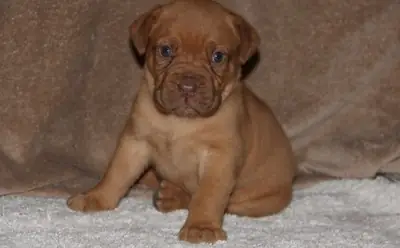
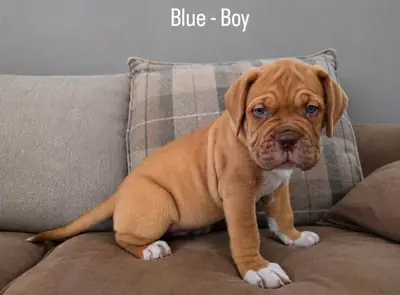
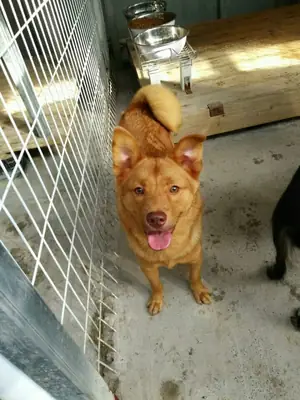
Originating from Korea, the Donggyeongi is a medium-sized dog breed known for its natural bobtail and alert expression. Historically utilized as a hunting companion, this breed is robust and agile. They typically weigh between 15 to 20 kg (33 to 44 lbs) and stand at a height of 40 to 50 cm (15.7 to 19.7 inches). Their coat is short and dense, providing moderate protection against the elements.
| Trait | Typical Value | Why it Matters to an Adopter |
|---|---|---|
| Origin | Korea | Understanding its origin helps appreciate its historical role and temperament. |
| Weight | 15-20 kg (33-44 lbs) | Affects exercise needs and living space considerations. |
| Height | 40-50 cm (15.7-19.7 inches) | Impacts physical capabilities and space requirements. |
| Coat Type | Short and dense | Influences grooming needs and shedding levels. |
| Lifespan | 12-15 years | Provides insight into long-term commitment and care. |
2. Temperament & Instincts
The Donggyeongi is renowned for its friendly and sociable nature. While historically used for hunting, modern Donggyeongis are known to be excellent family pets due to their gentle demeanor and loyalty. They are alert and intelligent, which makes them good watchdogs, yet they are not overly aggressive.
Despite their hunting background, they have a moderate prey drive, which can be managed with proper training from a young age. Their vocalization is moderate, and they tend to bark only when necessary, making them suitable for both urban and rural living conditions.
3. Daily Activity / Exercise Needs by Life Stage
To maintain their health and happiness, Donggyeongis require regular physical activity tailored to their life stage. Here is a guide to their exercise needs:
| Life Stage | Target | Notes |
|---|---|---|
| Puppy | 60 minutes daily | Includes socialization and basic training activities. |
| Adult | 90 minutes daily | Activities should include mental stimulation and varied exercises. |
| Senior | 30-45 minutes daily | Focus on low-impact activities to maintain joint health. |
4. Purchase/Adoption Price Framework
The cost of acquiring a Donggyeongi can vary significantly. The pricing framework below provides a general idea:
| Source | Price Range (USD) | Notes |
|---|---|---|
| Breeder | $1,500 - $3,000+ | Higher for health-tested or pedigree lines. |
| Rescue/Adoption | $100 - $300 | Lower cost but may have limited availability. |
5. First-Year Setup + Monthly Running Cost
The initial setup and ongoing costs for a Donggyeongi can be substantial. Here's a breakdown:
| Item/Service | Cost (USD) | Notes |
|---|---|---|
| Initial Veterinary Expenses (vaccinations, spay/neuter) | $500 - $800 | Essential for health and compliance. |
| Crate, Bed, and Basic Supplies | $150 - $300 | Initial setup for a comfortable home. |
| Training Classes | $100 - $200 | Important for socialization and obedience. |
| Monthly Food | $50 - $80 | Quality diet to support health. |
| Yearly Total | $1,500 - $2,500 | Includes all basic care and maintenance. |
6. Nutrition by Life Stage
A balanced diet is crucial for the Donggyeongi's health throughout its life stages:
| Life Stage | Diet | Notes |
|---|---|---|
| Puppy | High-protein diet | Supports growth and development. |
| Adult | Balanced adult formula | Maintain weight and energy levels. |
| Senior | Low-calorie senior diet | Supports joint health and reduces obesity risk. |
7. Grooming / Coat & Hygiene Care
The Donggyeongi's short, dense coat requires minimal grooming. Regular brushing once a week is usually sufficient to remove loose hairs and maintain coat health. Bathing should be done as needed, typically every few months, to keep them clean and odor-free. Dental hygiene is crucial, and teeth should be brushed several times a week to prevent periodontal disease. Regular nail trimming and ear cleaning are also necessary to prevent common issues.
8. Health
- Hip Dysplasia: A common issue in medium to large breeds, owners should monitor for signs of discomfort or mobility issues.
- Patellar Luxation: Regular check-ups can help catch this early and prevent progression.
- Eye Conditions: Such as progressive retinal atrophy, require veterinary monitoring.
Ethical breeders often conduct health screenings for these conditions to ensure they are breeding healthy dogs. Veterinary costs for managing these conditions can vary, with treatments ranging from medication to surgery, potentially costing hundreds to thousands of dollars.
9. Training / Behaviour Priorities
Training a Donggyeongi requires patience and consistency. Given their intelligence and alert nature, they respond well to positive reinforcement techniques. Key training priorities include basic obedience, recall, and socialization. Early socialization is particularly important to prevent any timid or aggressive tendencies towards strangers or other animals. Regular mental stimulation through training and interactive play is necessary to keep them engaged and well-behaved.
10. Home Environment Fit
The Donggyeongi can adapt to various living environments, including apartments, provided they receive adequate exercise. A fenced yard is ideal for them to roam and play safely. They generally get along well with children and can coexist with other pets if properly introduced. However, supervision is recommended with small pets due to their hunting instincts.
11. Lifestyle Fit Matrix
| Lifestyle | Fit Verdict | Reason |
|---|---|---|
| Active Family | Excellent | Enjoys family activities and exercise. |
| Single Professional | Good | Manageable with regular exercise and attention. |
| Apartment Dweller | Moderate | Requires regular walks and mental stimulation. |
| Rural Living | Excellent | Plenty of space to explore and play. |
12. Breeder / Shelter / Adoption Checklist
- Verify health screenings for hip dysplasia and eye conditions.
- Check for a history of regular veterinary care.
- Ensure the dog has been socialized and exposed to diverse environments.
- Ask about the dog's background and any known behavioral issues.
- Confirm vaccination records are up to date.
- Evaluate the living conditions of the breeder or shelter.
13. FAQ
Does the Donggyeongi shed a lot?
The Donggyeongi has a short, dense coat that sheds minimally. Regular weekly brushing can help manage shedding and keep their coat healthy.
Is the Donggyeongi good with children?
Yes, the Donggyeongi is generally good with children, known for its friendly and gentle nature. Supervision is advised, especially with younger children, to ensure safe and respectful interactions.
What is the typical lifespan of a Donggyeongi?
The typical lifespan of a Donggyeongi is between 12 to 15 years, provided they receive proper care, nutrition, and regular veterinary check-ups throughout their life.
Are Donggyeongis difficult to train?
Donggyeongis are intelligent and responsive to training, especially when positive reinforcement techniques are used. Consistency and patience are key to successful training.
Can Donggyeongis live in an apartment?
While Donggyeongis can adapt to apartment living, they require regular exercise and mental stimulation to prevent boredom and maintain their health and well-being.
14. Closing Verdict
The Donggyeongi is a unique and adaptable breed suitable for various lifestyles, especially active families or individuals seeking a loyal and energetic companion. However, they require regular exercise, mental stimulation, and socialization to thrive. Potential owners should be prepared for a long-term commitment, including regular veterinary care and training. Those able to meet these needs will find a devoted and affectionate companion in the Donggyeongi.