Greyhound 2026: Temperament, Health, and Adoption Costs for New Owners
The Greyhound is a breed with a storied history and remarkable athletic abilities. Known for their speed and gentle nature, they make unique companions for the right homes. This guide delves into their specific traits, health needs, and what potential adopters can expect in terms of cost and care.
1. Breed Identity & Standards
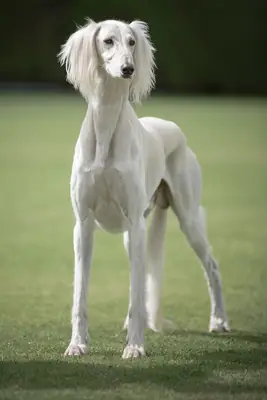
Originating from ancient Egypt, the Greyhound is one of the oldest and most recognizable dog breeds. Historically bred for hunting due to their incredible speed and keen eyesight, Greyhounds are sighthounds, meaning they hunt primarily by sight rather than scent. They have a distinct, aerodynamic body with a narrow head, deep chest, and long legs, which contribute to their ability to reach speeds of up to 45 miles per hour.
| Trait | Typical Value | Why it matters to an adopter |
|---|---|---|
| Origin Country | Egypt | Understanding the breed's history enhances appreciation for its traits. |
| Size | Large | Potential adopters need to consider space requirements. |
| Height | 71-76 cm (28-30 inches) | Height affects accessibility and space needs at home. |
| Weight | 27-40 kg (60-88 lbs) | Weight considerations impact feeding and health management. |
| Coat | Short, smooth | Low maintenance, but not well-suited for extreme cold. |
| Lifespan | 10-14 years | Prospective owners should prepare for a long-term commitment. |
2. Temperament & Instincts
Greyhounds are renowned for their gentle and calm demeanor, making them excellent companions. Despite their history as racing dogs, they are often described as "couch potatoes" due to their love for lounging around the house. They are generally quiet dogs, not prone to excessive barking, which can make them well-suited for apartment living.
The breed's strong prey drive is a key instinct, a remnant of their hunting origins. This can lead to a tendency to chase small animals, so caution is advised around cats and other small pets unless the Greyhound has been adequately socialized. Their independent nature means they benefit from positive reinforcement training to ensure good recall and obedience.
3. Daily Activity / Exercise Needs by Life Stage
Despite their athletic build, Greyhounds do not require as much exercise as one might expect. They thrive on short bursts of energy followed by long periods of rest.
| Life Stage | Target Exercise | Notes |
|---|---|---|
| Puppy | 20-30 minutes, twice daily | Focus on gentle play and learning basic commands. |
| Adult | 30-60 minutes, daily | Include sprints in a secure area to satisfy their need for speed. |
| Senior | 15-30 minutes, daily | Adjust activity to accommodate physical limitations. |
4. Purchase/Adoption Price Framework
Greyhound adoption costs can vary widely depending on the source and the dog's background.
| Source | Price Range (USD & GBP) | Notes |
|---|---|---|
| Rescue/Adoption | $100–$500 / £80–£400 | Adoption fees typically cover initial veterinary care. |
| Breeder | $1,000–$3,000+ / £800–£2,400+ | Higher costs for show-quality lines with health testing. |
5. First-Year Setup + Monthly Running Cost
Owning a Greyhound involves initial setup costs as well as ongoing monthly expenses. New owners should budget accordingly to ensure their pet receives the best care.
| Item | Cost Range (USD & GBP) | Notes |
|---|---|---|
| Neuter/Spay | $200–$400 / £160–£320 | One-time cost for surgery, usually recommended by vets. |
| Initial Vaccinations | $75–$150 / £60–£120 | Essential for protecting against common diseases. |
| Microchip | $25–$50 / £20–£40 | Important for identification and recovery if lost. |
| Crate | $50–$150 / £40–£120 | Useful for training and providing a safe space. |
| Monthly Food | $50–$100 / £40–£80 | Quality dog food tailored to age and size. |
| Monthly Parasite Prevention | $10–$20 / £8–£16 | Prevents fleas, ticks, and worms. |
| Yearly Total | $800–$2,000 / £640–£1,600 | Includes all essentials for the first year. |
6. Nutrition by Life Stage
Greyhounds require a balanced diet that supports their athletic build and energy levels. Nutritional needs change as they age, and it's important to adjust their diet accordingly.
| Life Stage | Dietary Needs | Notes |
|---|---|---|
| Puppy | High-protein, growth-focused kibble | Supports rapid growth and development. |
| Adult | Balanced diet with moderate protein | Maintains muscle mass and energy. |
| Senior | Lower calorie, senior formula | Prevents weight gain and supports joint health. |
7. Grooming / Coat & Hygiene Care
The Greyhound's short, smooth coat is relatively low maintenance, shedding minimally throughout the year. Regular brushing with a soft bristle brush will help remove loose hairs and keep the coat shiny. Due to their thin skin, Greyhounds are prone to cuts and abrasions, so owners should regularly check for any skin injuries.
Dental care is crucial as Greyhounds are prone to dental issues. Regular tooth brushing and dental chews can help maintain oral health. Additionally, routine nail trims are necessary as their fast-growing nails can become uncomfortable if not managed.
8. Health
Greyhounds are generally healthy dogs, but like all breeds, they are prone to specific hereditary conditions. Prospective owners should inquire about health screenings when adopting or purchasing a Greyhound.
- Bloat (Gastric Dilatation-Volvulus): A life-threatening condition requiring immediate veterinary care.
- Hip Dysplasia: A genetic condition that can lead to arthritis and mobility issues.
- Hypothyroidism: Can result in weight gain and lethargy if untreated.
- Osteosarcoma: A type of bone cancer more common in large breeds.
Routine veterinary care, including regular check-ups and vaccinations, is essential for maintaining a Greyhound's health. Owners should budget for unexpected vet bills, as treatments for conditions like bloat can be costly.
9. Training / Behaviour Priorities
Training a Greyhound requires patience and consistency. Their independent nature can make them seem aloof, but they respond well to positive reinforcement techniques. Key training focuses should include recall and impulse control, especially given their prey drive.
Socialization is equally important to ensure they are comfortable around different environments and other animals. Early exposure to varied experiences will help prevent anxiety and improve their adaptability to new situations.
10. Home Environment Fit
Greyhounds can adapt well to apartment living due to their calm indoor demeanor. However, they do benefit from having access to a securely fenced yard where they can run safely. Their low body fat makes them sensitive to temperature extremes; thus, they should be kept indoors during harsh weather conditions.
They generally get along well with children and other dogs, but their prey drive necessitates caution around small animals unless socialized. Providing them with cozy bedding is important, as their bony bodies make them prone to pressure sores on hard surfaces.
11. Lifestyle Fit Matrix
| Lifestyle | Fit Verdict | Reason |
|---|---|---|
| Active Runner | High | Enjoys short sprints and can accompany for brisk runs. |
| Apartment Dweller | Moderate | Calm indoors but needs access to outdoor exercise. |
| Family with Young Kids | High | Gentle nature makes them good companions for children. |
| Small Pet Owner | Low | High prey drive can be a risk to small animals. |
12. Breeder / Shelter / Adoption Checklist
- Verify health screenings for common genetic conditions.
- Ask about the dog's socialization history.
- Inquire about past injuries or health issues.
- Request to see the living conditions of the dogs.
- Understand the return policy if the adoption does not work out.
- Ensure the dog has been spayed/neutered.
13. FAQ
Do Greyhounds shed a lot?
Greyhounds have a short, smooth coat that sheds minimally throughout the year. Regular brushing will help control shedding and keep their coat healthy.
Are Greyhounds good with cats?
Greyhounds have a strong prey drive, which means they may see cats as chaseable objects. Some can live peacefully with cats if properly socialized, but caution is advised.
How much exercise does a Greyhound need?
Despite their athletic appearance, Greyhounds require moderate exercise. Adults benefit from about 30-60 minutes of activity per day, including opportunities to run in a safe, enclosed area.
What is the average lifespan of a Greyhound?
Greyhounds typically live between 10 and 14 years. With proper care and regular veterinary check-ups, they can enjoy a healthy and happy life well into their senior years.
14. A Note for 2026 and Closing Verdict
As of 2026, Greyhounds continue to be a popular choice for adopters due to their gentle nature and unique appearance. They are particularly well-suited to families and individuals who can provide them with the right balance of exercise and relaxation.
Who should consider adopting a Greyhound? Those looking for a calm, low-maintenance dog that thrives in a loving home environment. Who should reconsider? Individuals with small pets or those unable to provide regular exercise opportunities.