Irish Wolfhound 2026: Temperament, Price & Health Insights for New Owners
The Irish Wolfhound is a majestic and gentle giant, known for its towering stature and rich history as a hunting dog. With a unique blend of grace and strength, this breed requires knowledgeable ownership to manage its specific health and exercise needs effectively.
1. Breed Identity & Standards
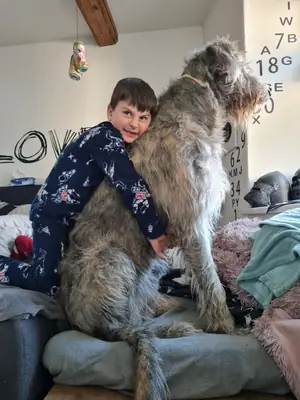
The Irish Wolfhound, originating from Ireland, has a deep-rooted history in hunting, specifically for wolves and large game. As one of the tallest dog breeds, males typically stand at least 32 inches (81 cm) and can weigh upwards of 140 pounds (63 kg). Females, while slightly smaller, share the same impressive build. Their coat is rough and wiry, available in a variety of colors such as grey, brindle, red, black, and white. The average lifespan of an Irish Wolfhound ranges from 6 to 8 years. Breeds often confused with the Irish Wolfhound include the Scottish Deerhound, which shares a similar silhouette but is generally smaller.
| Trait | Typical Value | Why it Matters |
|---|---|---|
| Origin | Ireland | Understanding historical context for behavior. |
| Height | 32-35 inches | Determines space requirements. |
| Weight | 115-180 pounds | Affects diet and exercise needs. |
| Coat | Rough and wiry | Influences grooming routine. |
| Lifespan | 6-8 years | Important for long-term commitment. |
2. Temperament & Instincts
The Irish Wolfhound is renowned for its gentle and calm demeanor, contrasting its formidable size. Historically bred for hunting large game, it retains a keen prey drive, though it is generally not aggressive. This breed is known to be affectionate and loyal, forming strong bonds with its family. Despite its size, the Irish Wolfhound is not particularly vocal and tends to be quite reserved, making it a surprisingly good fit for quieter households.
Socialization from an early age is essential to nurture the Irish Wolfhound's naturally sociable nature. They are typically good with children and other dogs, although their size can be overwhelming if not properly managed. Owners should be prepared for a dog that seeks companionship and may not thrive in environments where it is left alone for extended periods.
3. Daily Activity / Exercise Needs by Life Stage
Irish Wolfhounds require regular exercise to maintain their health, but their growth rate as puppies necessitates careful management to avoid skeletal issues. Adult dogs need consistent, moderate physical activity to keep them fit and mentally stimulated.
| Life Stage | Target | Notes |
|---|---|---|
| Puppy | Short walks, light play | Avoid over-exercising to protect growing joints. |
| Adult | 1-2 hours daily | Combination of walks and free play. |
| Senior | Gentle walks | Monitor for signs of arthritis or discomfort. |
4. Purchase/Adoption Price Framework
The cost of acquiring an Irish Wolfhound can vary significantly based on factors such as pedigree, breeder reputation, and whether the dog is adopted from a rescue organization. It is important for potential owners to consider these factors when budgeting for a new pet.
| Source | Price Range (USD) | Notes |
|---|---|---|
| Breeder | $1,500 - $3,000+ | Higher for pedigreed lines with health testing. |
| Rescue | $300 - $600 | Typically includes initial vet care and spaying/neutering. |
5. First-Year Setup + Monthly Running Cost
Owning an Irish Wolfhound involves considerable initial and ongoing expenses. Prospective owners should plan for these costs to ensure they can provide properly for their pet's needs.
| Item | Cost (USD) | Notes |
|---|---|---|
| Initial Veterinary Care | $300 - $500 | Includes vaccinations and health checks. |
| Neutering/Spaying | $200 - $500 | Varies by clinic location. |
| Crate and Bedding | $150 - $300 | Appropriately sized for large breeds. |
| Monthly Food | $80 - $150 | High-quality diet for large breeds. |
| Annual Total | $2,000 - $3,500 | Includes all initial and ongoing costs. |
6. Nutrition by Life Stage
Feeding an Irish Wolfhound requires attention to life stage needs to prevent common health issues such as bloat and joint problems. A balanced diet supports their growth and overall health.
| Life Stage | Diet Type | Notes |
|---|---|---|
| Puppy | High-quality large breed puppy food | Supports controlled growth. |
| Adult | Balanced adult formula | Focus on joint and cardiac health. |
| Senior | Senior-specific diet | Includes joint supplements. |
7. Grooming / Coat & Hygiene Care
The rough coat of the Irish Wolfhound is relatively low maintenance but does require regular grooming to prevent matting. Weekly brushing is typically sufficient, with more frequent attention needed during shedding seasons. Bathing can be done as needed, but not excessively, to maintain natural oils in the coat.
Dental hygiene is crucial for preventing periodontal disease, and regular teeth brushing is recommended. Due to their size, nail trimming can be challenging and may require professional grooming services. Regular ear checks and cleaning are also advised to prevent infections.
8. Health
Irish Wolfhounds are predisposed to several hereditary conditions. Ethical breeders will often screen for these issues to ensure the health of their breeding lines. Regular veterinary check-ups are essential for early detection and management of health problems.
- Dilated Cardiomyopathy
- Bloat (Gastric Dilatation-Volvulus)
- Osteosarcoma
- Hip Dysplasia
Veterinary costs can vary, but owners should budget for potential treatments, which could range from a few hundred to several thousand dollars depending on the condition and its severity.
9. Training / Behaviour Priorities
Training an Irish Wolfhound requires patience and consistency. Early socialization and obedience training are crucial to manage their size and strength. Focus should be on basic commands, recall, and impulse control, given their hunting instincts.
Positive reinforcement techniques work best with this sensitive breed. It is important to establish a solid training foundation while they are young to prevent any dominance issues as they grow larger. Consistent training helps in integrating them well into family life and managing their interactions with other pets.
10. Home Environment Fit
Despite their size, Irish Wolfhounds can adapt to various living situations, but they thrive best in homes with ample space. A fenced yard is ideal to allow them safe space to roam and exercise. While they can adapt to apartment living, sufficient outdoor exercise is non-negotiable.
They are generally good with children, owing to their gentle nature, but supervision is advised given their size. Co-existence with other pets is usually harmonious, although they may exhibit prey drive towards smaller animals. Early socialization is key to ensuring they are well-adjusted to household dynamics.
11. Lifestyle Fit Matrix
| Lifestyle | Fit Verdict | Reason |
|---|---|---|
| Active Outdoors | Excellent | Loves long walks and exercise. |
| Apartment Dweller | Moderate | Requires significant outdoor time. |
| Family with Kids | Good | Gentle and protective. |
| Single Professional | Poor | Does not do well alone for long periods. |
| Multi-Pet Home | Good | Typically sociable with other dogs. |
12. Breeder / Shelter / Adoption Checklist
- Ask for health clearances for heart and hip conditions.
- Visit the breeder to see the living conditions of the dogs.
- Verify the breeder's reputation through references and reviews.
- Ensure the puppy has been socialized with humans and other dogs.
- Request a detailed health history and vaccination record.
- Consider rescue organizations specialized in Irish Wolfhounds for adoption.
13. FAQ
Do Irish Wolfhounds shed a lot?
Irish Wolfhounds have a rough, wiry coat that sheds seasonally. Regular brushing can help manage shedding and maintain coat health. They are not hypoallergenic.
Are Irish Wolfhounds good with children?
Yes, they are typically gentle and patient with children. However, due to their size, supervision is recommended to prevent accidental injuries.
How much exercise does an Irish Wolfhound need?
Adult Irish Wolfhounds require about 1-2 hours of exercise daily. This can include walks and free play in a secure area. Puppies need more controlled activity to protect their developing joints.
What are common health issues in Irish Wolfhounds?
Common health concerns include dilated cardiomyopathy, bloat, osteosarcoma, and hip dysplasia. Regular veterinary check-ups and health screenings are important for early detection.
Is the Irish Wolfhound hard to train?
While generally intelligent and eager to please, their size can make training challenging. Consistent, positive reinforcement training methods work best with this breed.
14. Conclusion: Is the Irish Wolfhound Right for You?
The Irish Wolfhound is a majestic and gentle breed that requires a dedicated and informed owner. They thrive in environments where they receive plenty of companionship and exercise. Potential owners should be prepared for the breed's specific health and dietary needs, as well as the costs associated with their care. This breed is ideal for those who appreciate a loyal, calm, and noble companion and can accommodate their size and exercise requirements.