Italian Greyhound: A Comprehensive Guide for 2026
The Italian Greyhound, a breed known for its elegance and affectionate nature, is a unique companion for those seeking a small yet spirited dog. This guide delves into the breed's distinct characteristics, including its slender build and high energy levels, offering valuable insights for prospective adopters.
1. Breed identity & standards
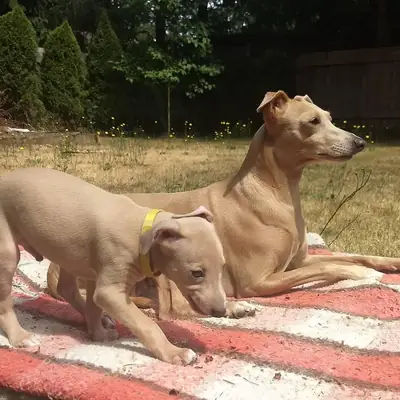
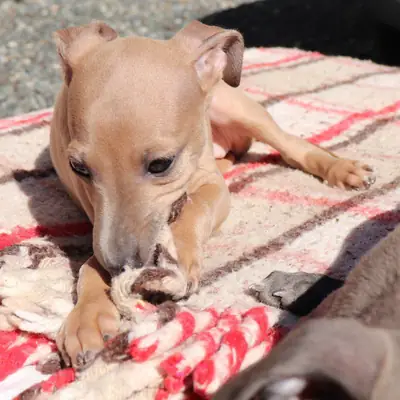
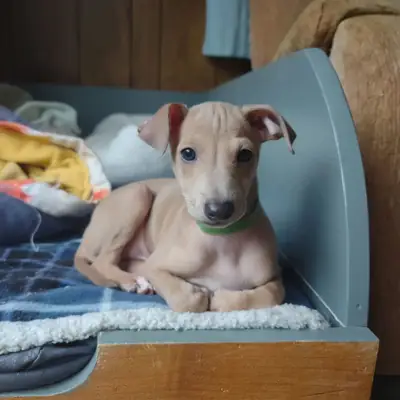
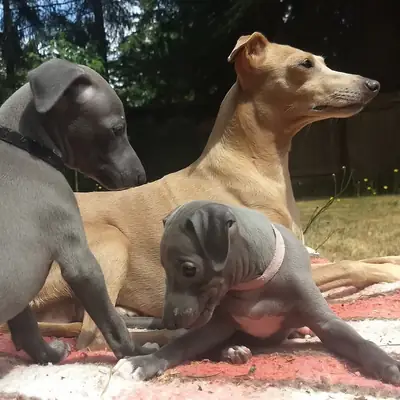
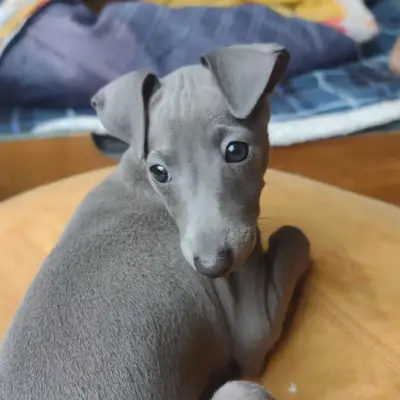
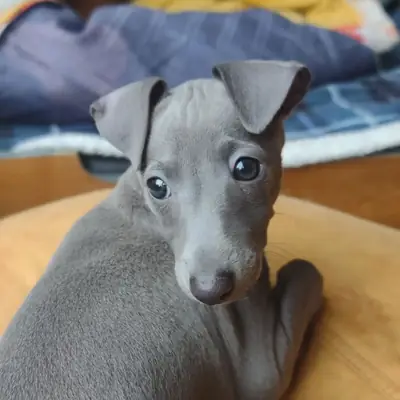
The Italian Greyhound is a small breed of dog originating from Italy, with a rich history as a companion to nobility. This breed is part of the toy group, distinguished by its graceful, slender silhouette and fine bone structure. Italian Greyhounds typically weigh between 6 to 10 pounds (2.7 to 4.5 kg) and stand about 13 to 15 inches (33 to 38 cm) tall at the shoulder. Their short, smooth coat comes in a variety of colors, including fawn, red, blue, black, or any of these colors with white markings. The breed's average lifespan is 12 to 15 years.
| Trait | Typical Value | Why it Matters |
|---|---|---|
| Origin | Italy | Understanding their origin helps in appreciating their companion role. |
| Size | 13-15 inches | Size impacts space requirements and exercise needs. |
| Weight | 6-10 pounds | Light weight makes them suitable for apartment living. |
| Coat | Short, smooth | Low-maintenance but requires warmth in cold climates. |
| Lifespan | 12-15 years | Potential for a long-term companion. |
2. Temperament & instincts
Italian Greyhounds are known for their affectionate and gentle nature, making them ideal companions for those who appreciate a dog that enjoys close contact. Historically bred as lap dogs for Italian nobility, these dogs have retained their desire for human companionship and can often be seen following their owners around the home. They have a high prey drive due to their sighthound heritage, which can manifest in a keen interest in chasing small animals. Despite their small size, Italian Greyhounds are surprisingly energetic and require regular exercise to keep them mentally and physically satisfied.
The breed is also characterized by its sensitivity and can be somewhat reserved with strangers, although they warm up once they feel safe. Their natural curiosity and intelligence make them quick learners, although they might exhibit a stubborn streak, necessitating patience during training sessions. While they are not typically vocal dogs, they may bark to alert their owners of perceived threats or when they are excited.
3. Daily activity / exercise needs by life stage
Italian Greyhounds, despite their small size, require a surprising amount of exercise to maintain their physical and mental health. Their exercise needs vary depending on their life stage.
| Life Stage | Target | Notes |
|---|---|---|
| Puppy | 30-45 minutes | Short, frequent play sessions to accommodate developing joints. |
| Adult | 1-2 hours | Includes walks and play to burn off energy and prevent boredom. |
| Senior | 30-60 minutes | Maintain mobility but adjust intensity based on health conditions. |
4. Purchase/adoption price framework
The cost of acquiring an Italian Greyhound can vary significantly based on factors such as pedigree, breeder reputation, and location. Adopting from a shelter is generally less expensive than purchasing from a breeder.
| Source | Price Range (USD) | Details |
|---|---|---|
| Breeder (Pet Quality) | $1,200 - $2,500 | Prices depend on lineage and breeder reputation. |
| Breeder (Show Quality) | $2,500 + | Top-end lineage with potential for showing. |
| Rescue/Adoption | $200 - $500 | Adoption fees usually cover basic veterinary care. |
5. First-year setup + monthly running cost
Owning an Italian Greyhound involves initial setup costs and ongoing monthly expenses. Here's a breakdown of what new owners might expect to spend.
| Item | Cost Range (USD) | Details |
|---|---|---|
| Initial Vet Bills (Vaccines, Neutering) | $300 - $600 | Includes essential early healthcare. |
| Crate and Bed | $50 - $150 | Basic comfort and confinement for house training. |
| Monthly Food | $20 - $50 | Depending on diet quality. |
| Monthly Parasite Prevention | $10 - $30 | Flea, tick, and heartworm prevention. |
| Annual Total | $1,000 - $2,000 | Includes all regular costs and veterinary check-ups. |
6. Nutrition by life stage
Proper nutrition is crucial for the health and longevity of Italian Greyhounds. Their dietary needs change as they grow.
| Life Stage | Dietary Needs | Notes |
|---|---|---|
| Puppy | High-protein, nutrient-rich | Supports growth and development. |
| Adult | Balanced diet with healthy fats | Maintains energy and body condition. |
| Senior | Reduced calories, joint support | Prevents weight gain and supports joint health. |
7. Grooming / coat & hygiene care
The Italian Greyhound's short, sleek coat requires minimal grooming. Regular brushing can help to remove loose hairs and keep the coat shiny. Bathing should be done as needed, typically every month or so, using a gentle dog shampoo. Due to their thin coat, these dogs can be sensitive to cold weather, so a sweater or coat is advisable during chilly months.
Dental hygiene is particularly important for Italian Greyhounds, as they are prone to dental disease. Regular tooth brushing and professional cleanings can help prevent oral health issues. Additionally, their nails should be trimmed regularly to prevent overgrowth and discomfort.
8. Health
Italian Greyhounds are generally healthy, but like all breeds, they are prone to certain health conditions. Responsible breeders test for these conditions to ensure the healthiest possible dogs.
- Patellar Luxation: A common knee issue that can affect mobility.
- Progressive Retinal Atrophy (PRA): A degenerative eye disorder leading to blindness.
- Legg-Calvé-Perthes Disease: A hip joint condition that can cause pain and lameness.
- Hypothyroidism: A thyroid disorder affecting metabolism.
Veterinary costs can vary widely but typically range between $200 to $500 annually for routine care, with additional costs for treatments as needed.
9. Training / behaviour priorities
Training an Italian Greyhound requires patience and consistency. Early socialization and puppy training classes are recommended to ensure they grow into well-rounded adults. Despite their intelligence, Italian Greyhounds can be independent, so training sessions should be kept short and engaging. Positive reinforcement methods work best, as harsh training techniques can lead to fearfulness or resistance.
House training can be a challenge, and some owners find using pee pads helpful, especially in inclement weather. Teaching recall is essential, given their prey drive and tendency to chase.
10. Home environment fit
Italian Greyhounds are well-suited to apartment living due to their small size, provided they receive sufficient exercise. They thrive in homes where they have access to a securely fenced yard to play. Due to their thin coats, they should be kept indoors during cold weather. They are known to coexist well with other dogs and pets, provided early socialization has been undertaken. However, their delicate build can make them less suitable for homes with very young children who might play too roughly.
11. Lifestyle fit matrix
| Lifestyle | Fit Verdict | Reason |
|---|---|---|
| Active Single | High | Companionship and an active exercise partner. |
| Family with Older Children | Good | They enjoy play and gentle handling. |
| Retiree | High | Low-maintenance and affectionate. |
| Apartments | High | Small size and low exercise space requirements. |
| Busy Professional | Moderate | Requires time commitment for companionship. |
12. Breeder / shelter / adoption checklist
- Verify the breeder's reputation and request references.
- Ensure the breeder conducts health screenings for known conditions.
- Visit the breeding facility to assess living conditions.
- Ask for a veterinary health certificate for the puppy.
- Inquire about the puppy's socialization and early training.
- Confirm a return policy in case the adoption does not work out.
13. FAQ
Do Italian Greyhounds shed a lot?
Italian Greyhounds have a short, smooth coat that sheds minimally. Regular brushing can help manage shedding and keep their coat healthy and shiny.
Are Italian Greyhounds good with children?
Italian Greyhounds can be good with older children who understand how to handle them gently. Their delicate build makes them less suitable for very young children who may not know how to play safely with them.
Do Italian Greyhounds bark a lot?
Italian Greyhounds are not excessive barkers, but they may alert their owners to unusual sounds or strangers. They can also bark when excited or when they want attention.
What are common health issues in Italian Greyhounds?
Some common health issues include patellar luxation, progressive retinal atrophy, Legg-Calvé-Perthes disease, and hypothyroidism. Regular veterinary care and health screenings can help manage these conditions.
Are Italian Greyhounds hard to train?
Italian Greyhounds are intelligent but can be independent, which sometimes makes training challenging. Consistent, positive reinforcement methods are recommended for the best results.
14. 2026 note and closing verdict
In 2026, the Italian Greyhound continues to be a favored choice for those seeking a small, loyal companion. Their unique combination of elegance and playful spirit makes them a delightful addition to the right home. However, potential owners should be aware of their exercise needs and delicate nature. They are best suited for individuals or families who can provide a nurturing environment and are prepared for the commitment of training and care. For those who can meet these needs, the Italian Greyhound offers years of affectionate companionship.