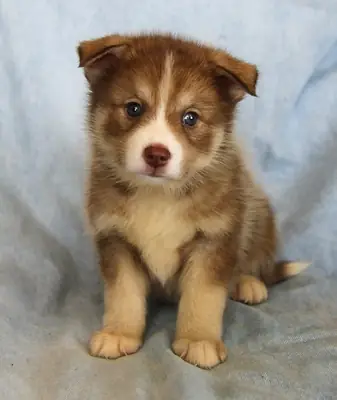
Jindo 2026: Temperament, Costs, and Health Insights for New Owners
The Jindo is a remarkable breed known for its loyalty and independence. Originating from Korea, these dogs are celebrated for their intelligence and protective instincts. This guide will explore their unique characteristics, health concerns, and what prospective owners need to consider.
1. Breed identity & standards
The Jindo is a dog breed that hails from Korea, specifically from Jindo Island. They were initially bred for hunting and guarding, showcasing a blend of agility and strength. Typical Jindos weigh between 15-23 kg (33-50 lbs) and stand about 45-55 cm (18-22 inches) tall at the shoulder. These dogs have a double coat, which can be short to medium in length, with common colors including white, red, tan, brindle, and black and tan. Jindos are often confused with the Shiba Inu due to their similar appearance, but they are generally larger and more muscular.
| Trait | Typical Value | Why it Matters to an Adopter |
|---|---|---|
| Origin | Korea | Understanding their history and purpose can help manage their instincts and behaviors. |
| Weight | 15-23 kg | Knowing size helps in planning space and exercise needs. |
| Coat | Double coat, short to medium | Coat type affects grooming requirements and shedding. |
2. Temperament & instincts
The Jindo is renowned for its loyalty and independence. These dogs form deep bonds with their families, often showing a strong protective streak. Historically, Jindos were used for hunting small game, which contributes to their high prey drive. This instinct means they may not always coexist peacefully with smaller pets unless properly socialized from a young age.
Jindos are intelligent and observant, which makes them excellent watchdogs. They are naturally wary of strangers, a trait that can be managed with consistent training and socialization. While not overly vocal, they will bark to alert their owners of unusual activities. This breed thrives on mental stimulation and can become bored if not adequately challenged, leading to potential behavioral issues.
3. Daily activity / exercise needs by life stage
Jindos are active dogs that require ample exercise to maintain their physical and mental health. Their exercise needs vary by life stage, as detailed below:
| Life Stage | Target | Notes |
|---|---|---|
| Puppy | 30-45 minutes daily | Focus on short, structured play sessions to develop skills and burn energy. |
| Adult | 60-90 minutes daily | Incorporate walks, play, and training exercises to keep them engaged. |
| Senior | 30-60 minutes daily | Gentle activity to maintain mobility and health; adjust based on individual ability. |
4. Purchase/adoption price framework
Adopting or purchasing a Jindo comes with varying costs, influenced by factors such as breeder reputation, lineage, and location. Below is a general framework:
| Source | Price Range (USD) | Notes |
|---|---|---|
| Reputable Breeder | $800-$1,500+ | Higher cost for health-tested lines. |
| Rescue/Adoption | $150-$400 | Adoption fees cover basic health checks and vaccinations. |
5. First-year setup + monthly running cost
Owning a Jindo involves initial setup costs and ongoing expenses. Below are typical costs associated with their care:
| Item | Cost Range (USD) | Notes |
|---|---|---|
| Initial Veterinary Care | $200-$500 | Includes vaccinations, neutering/spaying, and microchipping. |
| Supplies (crate, bed, toys) | $150-$300 | One-time expenses for essential items. |
| Monthly Food and Treats | $50-$100 | Quality diet is crucial for health. |
| Annual Total | $1,200-$2,000 | Includes all expected expenses for the first year. |
6. Nutrition by life stage
Proper nutrition is vital for a Jindo's health, and their dietary needs change as they age. Here’s a basic guide:
| Life Stage | Dietary Needs | Notes |
|---|---|---|
| Puppy | High-protein, balanced fats | Supports growth and development. |
| Adult | Balanced diet with moderate protein | Maintains energy and health. |
| Senior | Lower calories, joint support | Helps manage weight and mobility. |
7. Grooming / coat & hygiene care
Jindos have a double coat that requires regular grooming. While they are not high-maintenance, some effort is needed to manage shedding, particularly during seasonal changes. Brushing once or twice a week is generally sufficient, but during shedding seasons, daily brushing can help manage loose fur. Bathing should be limited to when the dog is notably dirty to preserve the natural oils in their skin.
Regular dental care is also essential, as is trimming their nails every few weeks. Jindos are generally clean dogs and have a reputation for being odor-free, making them relatively easy to maintain compared to other breeds.
8. Health
Jindos are generally healthy, but like all breeds, they are susceptible to certain hereditary conditions. Prospective owners should be aware of these and ensure they choose breeders who conduct relevant health screenings.
- Hypothyroidism: A condition where the thyroid gland does not produce enough hormones, affecting metabolism.
- Hip Dysplasia: A malformation of the hip joint that can lead to arthritis and mobility issues.
- Luxating Patella: A condition where the kneecap dislocates, causing discomfort and lameness.
Addressing these health issues can range in cost, and routine veterinary check-ups are recommended to catch any early signs of these conditions. Costs can vary, but hip dysplasia surgery, for example, can range from $1,500 to $3,000 USD.
9. Training / behaviour priorities
Training a Jindo requires patience and consistency, focusing on socialization and obedience from an early age. Due to their independent nature, they may show stubbornness if training is inconsistent. Recall and impulse control are critical, given their prey drive and protective instincts. Positive reinforcement techniques work best, as Jindos respond well to praise and rewards.
Socialization with people and other animals is key to managing their wariness of strangers and potential aggression towards other pets. Owners should prioritize exposure to various environments and situations to ensure a well-rounded temperament.
10. Home environment fit
Jindos are adaptable to both rural and urban environments, but they thrive best in homes with a secure yard. Apartments can work if ample outdoor exercise opportunities are provided. Due to their independent and sometimes aloof nature, they are best suited for families with older children who understand how to interact with dogs respectfully.
Caution is advised when introducing Jindos to other pets, especially smaller animals, due to their strong prey drive. With proper training and socialization, they can coexist with other dogs, but supervision is recommended during initial interactions.
11. Lifestyle fit matrix
| Lifestyle | Fit Verdict | Reason |
|---|---|---|
| Active Outdoors Enthusiast | Excellent | Thrives with regular exercise and outdoor activities. |
| Busy Urban Professional | Moderate | Requires time for daily exercise and mental stimulation. |
| Family with Young Children | Poor | Best with older kids due to protective instincts. |
| Multi-Pet Household | Variable | Possible with early socialization and supervision. |
12. Breeder / shelter / adoption checklist
- Verify the breeder is registered and reputable, ideally with references.
- Request health clearances for both parents, especially for hip dysplasia and hypothyroidism.
- Meet the puppy's parents to assess temperament and health.
- Ensure the puppy has been socialized and exposed to various environments.
- Confirm vaccinations and initial veterinary check-up have been completed.
- Receive detailed care instructions and dietary needs from the breeder or shelter.
13. FAQ
Does a Jindo shed a lot?
Jindos do shed, particularly during seasonal changes when they "blow" their coat. Regular brushing helps manage this, but potential owners should be prepared for increased grooming during these times.
Is the Jindo good with children?
Jindos are best suited to families with older children. Their protective nature and independent streak may not be ideal for households with very young kids who might not understand boundaries.
Can Jindos live in apartments?
While Jindos can adapt to apartment life, they require significant outdoor exercise. A secure yard or regular trips to off-leash areas can help meet their activity needs.
What common health issues do Jindos face?
Jindos are prone to conditions like hypothyroidism, hip dysplasia, and luxating patella. Regular veterinary check-ups and choosing a responsible breeder can mitigate these risks.
14. Conclusion
The Jindo is a unique breed with specific needs and characteristics that appeal to certain owners. They are best suited for individuals or families who can provide firm training, ample exercise, and a consistent routine. Prospective adopters should be prepared for a dog that is both independent and devoted, requiring an owner who appreciates these traits. If you are up for the challenge of training and engaging a Jindo, they can be a loyal and rewarding companion.