Kangal Shepherd Dog Complete Guide: Traits, Care, Nutrition and Training
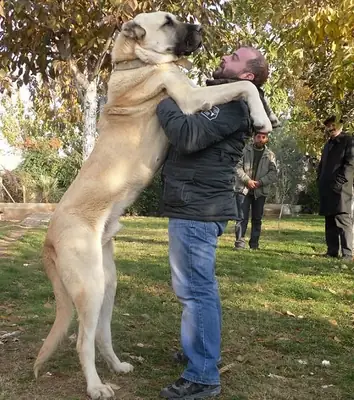
The Kangal Shepherd Dog, originating from Turkey's Sivas Province, is a noble and powerful livestock guardian that has protected sheep and goat herds from predators like wolves and bears for thousands of years. Recognized worldwide for its loyalty, intelligence, and protective nature, the Kangal can become an excellent family dog, farm guardian, and watch dog with proper training and care.
1. Breed Profile and Characteristics
- Origin: Turkey, Sivas Province, Kangal district; bred as a livestock guardian dog since ancient times. Turkey's national dog breed.
- Temperament: Calm, gentle, loyal, protective, deeply bonded with family, cautious with strangers, generally compatible with other animals.
- Energy Level: Medium; requires 45-60 minutes of daily physical activity and mental stimulation. Naturally calm and controlled.
- Activity Preferences: Long walks, guarding duties, herd supervision, free roaming in open areas (in secure spaces).
2. Size, Weight and Growth Chart
| Age | Male Avg. Weight | Female Avg. Weight | Height (Shoulder) | Critical Notes |
|---|---|---|---|---|
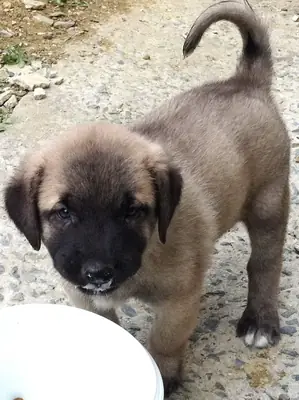
| 2-3 months | 40-55 lbs (18-25 kg) | 33-49 lbs (15-22 kg) | 17-20 inches (42-50 cm) | Large breed puppy food, 4 meals/day, calcium/phosphorus balance for controlled growth |
| 6 months | 110-132 lbs (50-60 kg) | 93-115 lbs (42-52 kg) | 27-30 inches (68-75 cm) | Slow growth formula, joint protection, avoid excessive exercise |
| 12 months | 143-176 lbs (65-80 kg) | 121-154 lbs (55-70 kg) | 29-31 inches (73-80 cm) M, 28-30 inches (70-77 cm) F | Transition to adult food, muscle mass development continues |
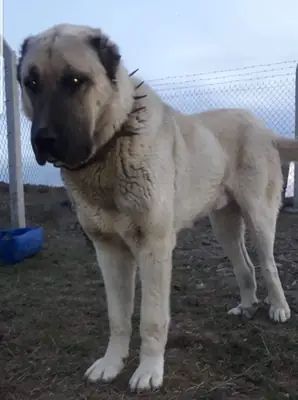
| 18+ months | 110-145 lbs (50-66 kg) M, 90-119 lbs (41-54 kg) F | 90-119 lbs (41-54 kg) | 29-32 inches (74-81 cm) M, 28-31 inches (71-78 cm) F | Physical maturity reached (late maturer, 2-3 years), routine maintenance and conditioning |
Important Warning: Kangal dogs mature late (2-3 years). Preventing rapid growth and implementing a controlled exercise program is critical to reduce hip dysplasia risk.
3. Pricing and Lifetime Costs
- Puppy Price (US): $1,200 – $2,500 from health-tested, registered breeders. Turkey: 30,000 – 80,000 TL; Europe: €1,000 – €2,200.
- Monthly Care Costs: $220 – $360 for large breed premium food, supplements, veterinary care, grooming products.
- First Year Investments: Professional training course ($420-700), comprehensive health screening ($250-440), quality accessories ($180-330), hip/elbow X-rays ($125-220).
- Annual Insurance: $360 – $650/year covering health insurance, hip dysplasia, emergencies.
4. Nutrition Strategy and Diet Planning
The Kangal requires a nutrition program specifically formulated for large breed dogs. Slow growth formulas are critical to reduce hip dysplasia risk. High-quality protein and balanced macronutrients are essential for muscle development and overall health.
4.1 Daily Macronutrient Distribution
| Nutrient Group | Percentage | Quality Sources | Physiological Benefits |
|---|---|---|---|
| High-Quality Protein | 24-30% | Beef, lamb, chicken, fish | Muscle development, tissue repair, immune function |
| Complex Carbohydrates | 18-22% | Brown rice, oats, potatoes, pumpkin | Sustained energy, digestive health |
| Healthy Fats | 10-15% | Salmon oil, flaxseed, sunflower oil | Joint health, skin-coat quality, brain function |
| Fiber and Prebiotics | 6-8% | Pumpkin, carrots, probiotic supplements | Digestive health, gut microbiome |
| Functional Supplements | 4-6% | Glucosamine-chondroitin, probiotics, antioxidants | Joint protection, digestive support, immune enhancement |
Feeding Schedule: Adults: 2 meals daily (morning-evening). Puppies: 3-4 meals (8 weeks-6 months); adolescents: 3 meals (6-12 months). Portion control is critical to prevent obesity.
4.2 Life Stage Specific Nutrition Tips
- Puppy Stage (2-12 months): Large breed slow growth formula, low calcium content, controlled protein level (for joint health), DHA supplementation, portion control.
- Adult Stage (1-7 years): Large breed adult formula, high-quality protein (24-30%), weight control, joint supplements, energy support for active dogs.
- Senior Stage (7+ years): Large breed senior formula, digestibility-focused, joint-protective supplements, antioxidant-rich content, phosphorus control for kidney health.
4.3 Special Diet Recommendations
- Obesity Management: Portion control, low-calorie formulas, regular exercise, body condition score monitoring.
- Joint Health: Glucosamine-chondroitin supplements, omega-3 fatty acids, controlled weight management.
- Sensitive Stomach: Single protein source, grain-free formulas, fermentable fiber sources.
5. Training and Socialization Strategy
The Kangal requires a specialized training approach due to its independent thinking and livestock guardian instincts. Patience, consistency, and positive reinforcement are critical. Harsh discipline methods fail and damage the trust relationship.
5.1 Puppy Socialization (8-16 Weeks)
- Controlled exposure to different human types (children, elderly, diverse appearances).
- Various environments (urban, rural, vehicles, noisy areas).
- Early introduction to other animals (dogs, cats, farm animals—under supervision).
- Different surfaces, sounds, and visual stimuli.
- Preventing fear and aggression through positive experiences.
5.2 Basic Obedience Training
- Commands: Sit, stay, come, place, drop it, no. Short sessions (10-15 minutes), 2-3 times daily.
- Method: Positive reinforcement, reward-based training, patience and consistency. Avoid forceful methods.
- Timing: Begin at 8-10 weeks, continue for life.
- Important: Due to independent thinking, understanding commands may take time. Patience is required; harsh methods should not be used.
5.3 Livestock Guardian Instincts and Management
- Guardian Training: Channeling natural protective instincts, preventing overly aggressive behavior, limited aggression training.
- Boundary Training: Teaching property boundaries, appropriate response to strangers, balanced behavior with socialization.
- Night Activities: Nighttime vigilance is natural instinct, managing and directing this behavior.
- Independence: Independent decision-making ability, managing and controlling this trait, leadership requirement.
6. Health Management and Genetic Risks
6.1 Genetic and Congenital Disorders
- Hip Dysplasia (HD): Moderate to high prevalence. X-ray screening per OFA or FCI standards, joint supplements from puppyhood, controlled exercise, slow growth formula.
- Elbow Dysplasia: Similar approach to HD, early diagnosis critical.
- Entropion: Eyelid rolling inward, regular eye examinations, surgical intervention may be required.
- Obesity: Large breed risk, portion control, regular exercise, body condition score monitoring.
- Thyroid Issues: Hypothyroidism screening (annual blood test).
- Cardiovascular Issues: Regular heart examinations, more common in senior years.
6.2 Lifetime Health Schedule
- Puppy Stage: Vaccination schedule (core, rabies), parasite control, genetic testing (hip/elbow), first comprehensive check-up, growth monitoring.
- Adult Stage: Comprehensive exams twice yearly, annual blood profile, hip/elbow monitoring (at 24 months), dental cleaning, weight control, eye examinations.
- Senior Stage: Exams every 6 months, comprehensive lab tests, cardiac echocardiography, joint assessment, vision-hearing tests.
6.3 Preventive Care Protocols
- Dental Health: Brushing 2-3 times weekly, weekly dental chews, annual professional cleaning.
- Ear Care: Weekly inspection and cleaning, watch for infection signs (pendant ears).
- Nail Care: Trim every 3-4 weeks, monitor natural wear.
- Skin Care: Regular inspection, undercoat skin check (due to double coat).
7. Coat Care and Grooming
The Kangal has a double-layered coat. Outer layer is short-medium length, straight and dense; inner layer (undercoat) is dense and soft. Coat color is typically cream/tan with characteristic black mask. Seasonal shedding is moderate.
- Brushing: 2-3 times weekly (normal period), weekly (during shedding season—spring/fall). Use steel comb or undercoat rake for brushing.
- Bathing: Every 6-8 weeks or as needed, natural pH shampoo, eye and ear protection, thorough drying (especially undercoat).
- Shedding Management: Seasonal shedding is moderate, regular brushing sufficient, air purifiers recommended for indoor use.
- Mask Care: Black mask area requires no special attention, normal care sufficient.
8. Lifestyle and Family Integration
8.1 Home Environment Requirements
- Space: Large yard or farm environment ideal; apartment living possible but daily open space exercise mandatory.
- Security: High, sturdy fencing (minimum 6 feet/1.8-2 meters), escape prevention (high jumping ability), secure door locking systems.
- Indoor: Spacious bed area, durable toys, water bowls (always clean water), cool area (in hot climates).
8.2 Family and Child Relationships
- Children: Extremely protective and gentle with family, excellent compatibility with children. However, small children should be supervised due to large size.
- Other Animals: Compatible with socialization, excellent compatibility with farm animals (natural instinct), generally compatible with other dogs (caution with same-sex dogs).
- Strangers: Cautious but not aggressive, balanced behavior with socialization, protective instincts should be managed.
8.3 Farm and Livestock Guarding
- Livestock Guarding: Natural instinct, ability to protect sheep and goat herds from predators, excellent watch dog.
- Night Vigilance: Tendency to be active at night, this trait is advantageous in farm environments.
- Independence: Ability to guard even when owner is absent, this trait is ideal for farm dogs.
9. Frequently Asked Questions
Is the Kangal suitable for apartment living?
Physically possible but not ideal. Large yard or farm environment preferred. In apartment living, 45-60 minutes of daily open space exercise is mandatory.
How much exercise do they need?
Minimum 45-60 minutes daily physical activity (walking, running, play) and 20-30 minutes mental stimulation (training, puzzle toys). Due to naturally calm nature, does not require excessive exercise.
Are they good with children?
Yes, extremely protective and gentle with family, excellent compatibility with children. However, play with small children should be supervised due to large size.
Do they shed a lot?
Moderate level. Seasonal shedding especially in spring and fall. Regular brushing (2-3 times weekly normally, weekly during shedding season) is sufficient.
What health problems do they have?
Hip/elbow dysplasia, entropion (eyelid rolling inward), obesity, thyroid issues are common. Regular veterinary check-ups and genetic testing recommended.
Is training difficult?
Training requires patience and consistency due to independent thinking. Positive reinforcement methods are successful. Harsh discipline methods are not recommended as they damage trust relationship.
Can they be left alone?
Good at being alone due to independent nature. However, very long periods (8+ hours) not recommended. Can be left alone in farm environments with livestock guarding duties.
10. Conclusion and Recommendations
The Kangal Shepherd Dog is a unique breed for experienced, patient, and responsible owners. This calm, loyal, and protective breed can become the family's protector and farm's security guard with the right approach. Early socialization, patient training, appropriate nutrition (slow growth formula), and regular health check-ups will ensure your Kangal enjoys a long, healthy, and happy life. Before adopting this breed, understanding large breed dog requirements, providing appropriate living space, and providing leadership is critical.