Kars Shepherd Dog: Breed Characteristics, 2026 Guide
The Kars Shepherd Dog, also known as Kars Çoban Köpeği, is a robust Turkish breed renowned for its herding capabilities and protective instincts. This guide provides an in-depth look at their temperament, health considerations, and what potential adopters should know before bringing one home.
1. Breed Identity & Standards
Originating from the Kars region of Turkey, the Kars Shepherd Dog has historically been used as a livestock guardian dog. Its primary purpose was to protect herds from predators, a task it performed with remarkable dedication and skill. This breed typically stands between 60 to 75 cm at the shoulder and weighs between 40 to 55 kg. Their lifespan ranges from 10 to 12 years, reflecting their sturdy constitution.
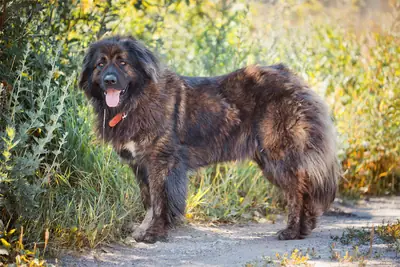
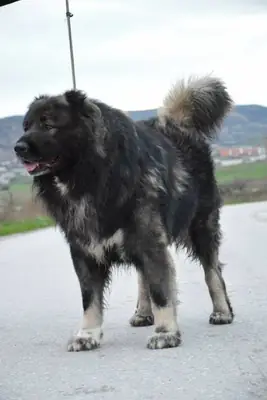
The breed's coat is thick and weather-resistant, suitable for harsh climates, and can range in color from gray to fawn, often with a darker mask. They share visual similarities with other Turkish breeds such as the Anatolian Shepherd, though the Kars Shepherd Dog is distinct in its unique regional adaptations.
| Trait | Typical Value | Why it Matters |
|---|---|---|
| Height | 60-75 cm | Height influences their capacity to guard and manage livestock. |
| Weight | 40-55 kg | A robust build aids their protective role. |
| Lifespan | 10-12 years | Reflects their durability and health resilience. |
| Coat | Thick, weather-resistant | Suited for colder climates and outdoor living. |
2. Temperament & Instincts
The Kars Shepherd Dog is known for its loyalty and protective nature. These dogs have been bred to be independent thinkers, a trait essential for making decisions while guarding livestock without human intervention. This independence can sometimes be mistaken for stubbornness, but it is a reflection of their intelligence and training aptitude.
Due to their history, they are naturally wary of strangers but do not display unnecessary aggression if properly socialized. They are vocal, often barking to alert their owners of perceived threats. Prospective owners should appreciate their need for mental stimulation and a clear role within the household to channel their instincts positively.
3. Daily Activity / Exercise Needs by Life Stage
Kars Shepherd Dogs require regular exercise to maintain their physical and mental health. Their exercise needs vary by age, but consistent activity is crucial to prevent boredom and destructive behaviors.
| Life Stage | Target | Notes |
|---|---|---|
| Puppy | 30-45 minutes/day | Focus on basic training and short walks. |
| Adult | 60-90 minutes/day | Incorporate variety, including walks, runs, and mental challenges. |
| Senior | 30 minutes/day | Adjust for mobility and health conditions. |
4. Purchase/Adoption Price Framework
The cost of acquiring a Kars Shepherd Dog can vary widely depending on the source. Pedigree dogs with health screenings tend to be more expensive, while adoption fees from shelters are typically more affordable.
| Source | Cost (USD) | Notes |
|---|---|---|
| Breeder | $800-$1,500+ | Includes health screenings and pedigree certification. |
| Rescue/Shelter | $150-$300 | More affordable with potential unknown lineage. |
5. First-Year Setup + Monthly Running Cost
Understanding the financial commitment required for the first year and ongoing care is crucial for prospective owners. Initial setup costs are typically higher due to one-time purchases, but monthly expenses must also be considered.
| Item | Cost (USD) | Notes |
|---|---|---|
| Initial Veterinary Costs | $300-$500 | Includes vaccinations, microchipping, and neutering. |
| Crate/Bed | $100-$200 | One-time purchase for safety and comfort. |
| Food | $50-$100/month | Quality food suitable for their size and activity. |
| Training | $100-$200 | Essential for behavior management. |
| Yearly Total | $1,200-$2,000 | Includes all initial and monthly expenses. |
6. Nutrition by Life Stage
Proper nutrition is vital for the Kars Shepherd Dog's health and longevity. Their diet should be tailored to their life stage to meet their specific energy requirements.
| Life Stage | Dietary Needs | Notes |
|---|---|---|
| Puppy | High protein and fat | Supports growth and development. |
| Adult | Balanced diet with moderate protein | Maintains energy and muscle mass. |
| Senior | Low-calorie, easily digestible | Adapt to slower metabolism and potential health issues. |
7. Grooming / Coat & Hygiene Care
The dense coat of the Kars Shepherd Dog requires regular grooming to keep it in top condition and to manage shedding. These dogs benefit from weekly brushing to remove loose hair and prevent mats, especially during peak shedding seasons in spring and fall.
Regular checks for ticks and fleas are essential due to their outdoor nature. Dental hygiene, nail trimming, and ear cleaning should also be part of their regular care routine to prevent common health issues.
8. Health
While generally robust, the Kars Shepherd Dog may be predisposed to certain hereditary health conditions. Responsible breeders should conduct health screenings for these issues to ensure the wellbeing of the breed.
- Hip Dysplasia: A common joint issue that can lead to arthritis or mobility problems.
- Elbow Dysplasia: Similar to hip dysplasia, affecting the elbow joint.
- Entropion: An eye condition where the eyelid rolls inward, potentially causing irritation.
Prospective owners should be prepared for potential veterinary costs, which can vary based on the severity of the condition and the treatment required.
9. Training / Behaviour Priorities
Training a Kars Shepherd Dog requires patience and consistency. Their intelligence and independent nature mean they respond best to positive reinforcement methods. Early socialization is crucial to ensure they are comfortable with various environments and situations.
Basic obedience training should focus on recall and impulse control, given their protective instincts. This foundation will help manage their natural tendencies to bark and guard, ensuring they are well-adjusted members of the family.
10. Home Environment Fit
The Kars Shepherd Dog thrives in environments where they have space to roam and fulfill their role as guardians. They are best suited to homes with large, secured yards where they can safely exercise and patrol.
While they can coexist with children and other pets with proper introduction and supervision, they are not ideal for apartment living due to their size and activity level. Their protective nature requires that they have a clear understanding of their place within the family hierarchy.
11. Lifestyle Fit Matrix
| Lifestyle | Fit Verdict | Reasoning |
|---|---|---|
| Active Outdoor Enthusiast | Excellent | Loves outdoor activities and has ample energy. |
| City Apartment Dweller | Poor | Requires more space and exercise opportunities. |
| Family with Children | Good | Protective and can be gentle with kids. |
| First-Time Dog Owner | Fair | May require experience in handling strong-willed breeds. |
12. Breeder / Shelter / Adoption Checklist
- Verify health screenings for hereditary conditions.
- Ask about the dog's socialization and training history.
- Meet the dog in person to assess temperament.
- Ensure the breeder provides certification and lineage information.
- Visit the shelter to understand the dog's background.
- Prepare questions about diet, exercise, and grooming needs.
13. FAQ
Does the Kars Shepherd Dog shed a lot?
Yes, the Kars Shepherd Dog sheds, particularly during seasonal changes. Regular brushing helps manage shedding and keeps their coat healthy.
Is the Kars Shepherd Dog good with children?
With proper socialization, they can be excellent family dogs. They are protective and gentle with children but should always be supervised during interactions.
What are the common health issues in Kars Shepherd Dogs?
Common health concerns include hip and elbow dysplasia and entropion. Responsible breeders conduct health screenings to minimize these risks.
Are Kars Shepherd Dogs suitable for apartment living?
No, due to their size and energy levels, they are better suited to homes with large, secure outdoor spaces.
How much exercise does a Kars Shepherd Dog need?
They require at least 60-90 minutes of exercise daily, depending on their age and health, to maintain physical and mental stimulation.
14. 2026 Note & Closing Verdict
In 2026, the Kars Shepherd Dog continues to be a beloved breed for those who appreciate its history and capabilities. While not suited for every household, those who can provide the necessary space and training will find a loyal and protective companion. This breed is ideal for experienced dog owners who enjoy outdoor activities and need a reliable guardian.