Neapolitan Mastiff 2026: Temperament, Health & Adoption Costs
The Neapolitan Mastiff is a breed with a commanding presence and a storied history. Known for their protective instincts and distinctive loose skin, these dogs are not only striking but also demand informed ownership. Explore their unique traits, health considerations, and what it takes to welcome one into your home.
1. Breed identity & standards
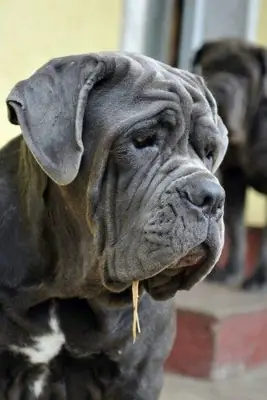
The Neapolitan Mastiff, or "Mastino Napoletano," originates from Italy where it was traditionally used as a guard dog. These giants possess a robust frame, with males typically weighing between 60-70 kg (132-154 lbs) and females slightly lighter at 50-60 kg (110-132 lbs). They stand at a height of 60-75 cm (24-30 inches) at the shoulder. Their lifespan ranges from 8 to 10 years, which is average for large breeds.
| Trait | Typical Value | Why it Matters |
|---|---|---|
| Origin | Italy | Historical guard dog role influences temperament. |
| Weight | 60-70 kg (males) | Influences dietary and exercise needs. |
| Height | 60-75 cm | Considerations for space and housing. |
| Coat | Short, dense | Minimal grooming but regular cleaning of skin folds. |
| Lifespan | 8-10 years | Routine vet care can extend lifespan. |
2. Temperament & instincts
The Neapolitan Mastiff is renowned for its protective nature, a vestige of its historical role as a guard dog. They are fiercely loyal to their family and can be wary of strangers, making early socialization essential. While they may appear intimidating, they are typically calm and gentle with those they trust.
These dogs have a relatively low energy level compared to other breeds of similar size, preferring to lounge around the house. However, their guarding instinct can kick in unexpectedly, which might lead to them being more vocal in unfamiliar situations. Prospective owners should be prepared for a strong-willed companion, as the breed is known for its independence.
3. Daily activity / exercise needs by life stage
Despite their size, Neapolitan Mastiffs do not require excessive exercise. However, regular activity is crucial to prevent obesity, especially given their predisposition to joint issues.
| Life Stage | Target | Notes |
|---|---|---|
| Puppy | 20-30 mins/day | Short walks; avoid strenuous exercise to protect developing joints. |
| Adult | 30-45 mins/day | Moderate activity; focus on mental stimulation as well. |
| Senior | 15-20 mins/day | Gentle walks; watch for signs of arthritis. |
4. Purchase/adoption price framework
The cost of acquiring a Neapolitan Mastiff can vary widely depending on the source and pedigree. Here is a general framework for what you might expect to pay.
| Source | Price Range (USD) | Notes |
|---|---|---|
| Reputable Breeder | $3,000 - $5,500 | Health-tested lines; higher cost reflects breeding quality. |
| Rescue Adoption | $150 - $500 | Lower cost; may have older dogs or those needing special care. |
5. First-year setup + monthly running cost
Owning a Neapolitan Mastiff involves significant initial and ongoing expenses. Consider the following estimated costs:
| Expense | Cost (USD) | Notes |
|---|---|---|
| Initial Veterinary Care | $400 - $800 | Includes spay/neuter, vaccinations, and microchipping. |
| Equipment (Crate, Leash, etc.) | $300 - $500 | Durable and appropriately sized for a large breed. |
| Training | $200 - $600 | Essential for socialization and obedience. |
| Monthly Food | $60 - $120 | High-quality diet to support large-breed health. |
| Yearly Total | $1,500 - $2,500 | Includes vet care, food, and miscellaneous expenses. |
6. Nutrition by life stage
Proper nutrition is vital for the Neapolitan Mastiff's health. Their diet should be tailored to their life stage to meet their nutritional needs.
| Life Stage | Dietary Needs | Notes |
|---|---|---|
| Puppy | High protein, balanced calcium | Supports growth and bone development. |
| Adult | Balanced diet, joint support | Monitor weight to prevent obesity-related issues. |
| Senior | Low-calorie, high fiber | Consider supplements for joint health. |
7. Grooming / coat & hygiene care
Neapolitan Mastiffs have a short, dense coat that requires minimal grooming. However, they do have specific hygiene needs due to their loose skin folds. Regular cleaning of these folds is crucial to prevent infections. Additionally, they are moderate shedders, so brushing once a week can help manage loose hair and maintain coat health.
Dental care is also important for this breed, as they are prone to dental issues. Regular brushing and providing dental chews can help maintain oral health. Nail trimming and ear cleaning should be part of their routine grooming to prevent other common issues.
8. Health
The Neapolitan Mastiff is prone to certain hereditary conditions. Ethical breeders will test for these conditions and provide health clearances. Regular veterinary check-ups are essential to manage their health and catch any potential issues early.
- Hip Dysplasia: A condition where the hip joint doesn't fit properly, leading to arthritis over time.
- Ectropion: A condition where the eyelid rolls outward, which can cause irritation.
- Cherry Eye: Prolapse of the third eyelid gland that may require surgical correction.
- Cardiomyopathy: A heart condition that can affect their lifespan and quality of life.
Veterinary costs for these conditions can vary, but owners should budget for potential surgeries and ongoing treatments, which could range from $500 to $3,000+ depending on the severity and treatment plan.
9. Training / behaviour priorities
Training a Neapolitan Mastiff requires patience and consistency. Early socialization is crucial to ensure they are comfortable around new people and environments. Basic obedience training is a must to manage their size and strength, focusing on recall and impulse control.
These dogs can be independent thinkers, so training should be positive and reward-based to keep them engaged. Given their protective nature, managing guarding behavior is important to prevent any potential issues with visitors or strangers.
10. Home environment fit
The Neapolitan Mastiff is best suited to homes with ample space. While they can adapt to living indoors, they do require a secure yard or outdoor area where they can roam and exercise safely. Apartments are generally not ideal due to their size and need for space.
They can coexist with children and other pets if properly socialized, but supervision is recommended due to their size and protective instincts. They thrive in environments where they are part of the family and included in daily activities.
11. Lifestyle fit matrix
| Lifestyle | Fit Verdict | Reason |
|---|---|---|
| Active Singles | Poor | Low energy needs; not suited for highly active lifestyles. |
| Families with Kids | Good | Loyal and protective; thrives in family settings. |
| Apartment Dwellers | Poor | Requires more space than most apartments offer. |
| Experienced Dog Owners | Excellent | Benefits from experienced handling and training. |
12. Breeder / shelter / adoption checklist
- Verify health clearances for hip dysplasia and cardiac issues.
- Ask about the temperament of both parents.
- Ensure puppies have been socialized from an early age.
- Request vaccination and deworming records.
- Check for any history of skin or eye problems.
- Consider the breeder's or shelter's reputation and history.
13. FAQ
Does the Neapolitan Mastiff shed a lot?
Neapolitan Mastiffs are moderate shedders. Regular brushing can help manage loose hair and keep their coat healthy. Their short coat doesn't require extensive grooming, but attention to their skin folds is essential to prevent infections.
Are Neapolitan Mastiffs good with children?
Yes, with proper socialization, Neapolitan Mastiffs can be great with children. They are protective and loyal, which can make them excellent family pets. However, due to their size, supervision is recommended to prevent accidental knockdowns.
What are common health issues in this breed?
Neapolitan Mastiffs are prone to hip dysplasia, ectropion, cherry eye, and cardiomyopathy. Regular veterinary check-ups and health screenings are important to manage these conditions and ensure a healthy life.
How much exercise does a Neapolitan Mastiff need?
These dogs need moderate exercise, about 30-45 minutes daily, depending on their age and health. Puppies and seniors require less to protect their joints and overall health. Mental stimulation is equally important to keep them engaged.
Is the Neapolitan Mastiff hard to train?
Training can be challenging due to their independent nature. Consistent, positive reinforcement methods are key. Early socialization and obedience training are crucial to manage their strength and protective instincts effectively.
14. Closing verdict
The Neapolitan Mastiff is a remarkable breed for those who appreciate its unique qualities and are equipped to handle its size and specific needs. They are best suited to experienced dog owners who can provide firm, yet loving guidance. Families with ample space and a commitment to training will find a loyal and protective companion in this breed. However, those seeking a highly active or low-maintenance pet may need to consider other options.