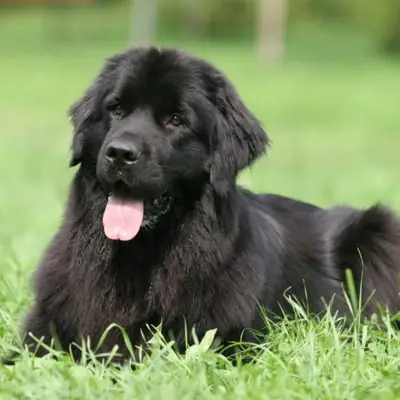
Newfoundland 2026: Temperament, Health, and Adoption Cost Guide
The Newfoundland dog, known for its massive size and gentle disposition, is a breed with a storied history as a working dog. This comprehensive guide explores their specific health considerations, substantial care requirements, and what potential adopters should know before bringing one of these gentle giants into their home.
1. Breed Identity & Standards
The Newfoundland dog, originating from the Canadian province of Newfoundland and Labrador, was historically employed as a working dog for fishermen. Its primary roles involved hauling nets and rescuing those from the icy waters, a testament to its strength and swimming capabilities. This giant breed typically stands between 27 and 29 inches tall (68-74 cm) and weighs from 100 to 150 pounds (45-68 kg), with males generally on the larger end of this spectrum.
| Trait | Typical Value | Why it Matters |
|---|---|---|
| Height | 27-29 inches (68-74 cm) | Indicates the breed's large size; affects space needs. |
| Weight | 100-150 pounds (45-68 kg) | Impacts feeding costs and health management. |
| Coat | Thick, water-resistant double coat | Essential for cold-water swimming; requires regular grooming. |
| Lifespan | 9-10 years | Considerations for long-term commitment. |
Coat colors typically include black, brown, grey, and Landseer (white with black markings). The breed's appearance is so distinctive that it is rarely confused with others, though it may be mistaken for similarly large and fluffy breeds such as the Bernese Mountain Dog or the Saint Bernard.
2. Temperament & Instincts
Newfoundlands are renowned for their gentle and patient nature, often characterized by a deep affection for children and a calm demeanor. This breed possesses a natural instinct for water rescue, driven by its original role assisting fishermen. As such, they are typically excellent swimmers and enjoy engaging in water activities.
Their history as working dogs means that Newfoundlands have a strong work ethic and are eager to please. They are not known for being particularly vocal, often barking only when necessary. However, their size and deep bark can be an effective deterrent for intruders, making them good watchdogs despite their gentle nature.
3. Daily Activity / Exercise Needs by Life Stage
Newfoundlands require significant exercise to maintain their health and happiness, although their activity levels may decrease as they age. Exercise routines should be tailored to their life stage to prevent joint issues and promote overall well-being.
| Life Stage | Target | Notes |
|---|---|---|
| Puppy | 30-45 minutes | Short, frequent play sessions prevent joint strain. |
| Adult | 1-2 hours | Includes swimming, which is particularly beneficial for their joints and energy levels. |
| Senior | 30-45 minutes | Gentle walks and swimming help maintain mobility without overexertion. |
4. Purchase / Adoption Price Framework
The cost of acquiring a Newfoundland can vary widely based on factors such as breeder reputation and whether the dog is a rescue. Below are typical price ranges:
| Source | Price Range (USD) | Notes |
|---|---|---|
| Reputable Breeder | $1,500 - $3,500+ | Higher end for health-tested lines. |
| Rescue Organization | $200 - $500 | Includes adoption fees and often initial vet care. |
Purchasing from a reputable breeder ensures that the dog has undergone necessary health screenings, whereas adopting from a rescue can be a more budget-friendly option that also helps a dog in need.
5. First-Year Setup + Monthly Running Cost
Owning a Newfoundland involves significant initial and ongoing costs. Below is a breakdown of typical expenses:
| Item | Cost (USD) | Notes |
|---|---|---|
| Neutering/Spaying | $150 - $400 | One-time veterinary procedure. |
| Initial Vaccinations | $75 - $150 | Essential for preventing common diseases. |
| Microchipping | $25 - $50 | Ensures pet identification. |
| Crate & Bedding | $150 - $300 | For safe transport and comfort. |
| Monthly Food | $75 - $150 | High-quality diet suitable for large breeds. |
| Monthly Parasite Prevention | $15 - $30 | Includes flea, tick, and heartworm prevention. |
Estimated Yearly Total: $1,500 - $3,000
It is crucial to budget for these expenses to ensure the health and happiness of your Newfoundland.
6. Nutrition by Life Stage
Proper nutrition is key to maintaining the health and longevity of a Newfoundland, given their large size and predisposition to certain health issues.
| Life Stage | Nutritional Needs | Notes |
|---|---|---|
| Puppy | High-quality puppy formula | Supports rapid growth and bone development. |
| Adult | Large breed adult food | Maintains healthy weight and joint care. |
| Senior | Senior formula | Reduced calories to prevent obesity; joint supplements. |
7. Grooming / Coat & Hygiene Care
The Newfoundland's thick, water-resistant double coat requires regular grooming to prevent matting and reduce shedding. Weekly brushing is essential, and during shedding season, more frequent grooming may be necessary.
Bathing should be done as needed, typically every 6-8 weeks, to maintain coat health without stripping natural oils. Additionally, regular dental care, nail trimming, and ear cleaning are crucial to avoid common issues such as dental disease or ear infections.
8. Health
Newfoundlands are predisposed to several hereditary conditions, and ethical breeders should screen for these issues. Common health concerns include:
- Hip Dysplasia: A genetic condition that can lead to arthritis and pain.
- Elbow Dysplasia: Similar to hip dysplasia but affects the elbows.
- Subaortic Stenosis (SAS): A heart condition that can lead to early death.
- Cystinuria: A kidney condition leading to bladder stones.
Regular veterinary care, including annual checkups and screenings, is essential to detect and manage these conditions early. Costs for treating these conditions can vary, with surgery for hip dysplasia potentially reaching several thousand dollars.
9. Training / Behaviour Priorities
Training a Newfoundland should begin early, focusing on socialization and basic obedience to manage their large size and strength. They respond well to positive reinforcement techniques and consistency.
Recall and impulse control are particularly important, given their size and strength. Puppy training classes can provide a structured environment for socialization with other dogs and people.
10. Home Environment Fit
Newfoundlands are best suited to homes with ample space due to their large size. While they can adapt to apartment living, they thrive in environments where they have access to a yard or nearby open spaces for exercise.
They generally get along well with children and other pets, although supervision is recommended given their size. Fencing is advisable to ensure they remain safe and contained when outdoors.
11. Lifestyle Fit Matrix
| Lifestyle | Fit Verdict | Reason |
|---|---|---|
| Active Outdoor Enthusiasts | Excellent | Enjoys physical activity and swimming. |
| Apartment Dwellers | Moderate | Requires ample exercise and space challenges. |
| Families with Young Children | Good | Gentle and protective nature. |
| First-Time Dog Owners | Moderate | Large size and grooming needs can be challenging. |
12. Breeder / Shelter / Adoption Checklist
- Confirm the breeder conducts health screenings for hip and elbow dysplasia.
- Check for cardiological evaluations to rule out Subaortic Stenosis.
- Verify the dog's vaccination history and any recent medical treatments.
- Inquire about the dog's socialization history with children and other animals.
- Ensure the breeder is knowledgeable about the breed's care requirements.
- Visit the breeder or shelter to observe the living conditions and meet the parents if possible.
13. FAQ
Does the Newfoundland shed a lot?
Yes, Newfoundlands are known for shedding significantly, especially during the spring and fall. Regular grooming helps to manage shedding and keep their coat healthy.
Are Newfoundlands good with children?
Newfoundlands are often referred to as "gentle giants" due to their patient and affectionate nature, making them excellent companions for children. However, supervision is always recommended due to their large size.
What is the lifespan of a Newfoundland?
Newfoundlands typically live between 9 and 10 years. Ensuring they receive proper nutrition, exercise, and regular veterinary care can help maximize their lifespan.
Is the Newfoundland hard to train?
While generally eager to please and intelligent, their large size and potential stubbornness can pose challenges. Consistent, positive reinforcement-based training is recommended.
How much exercise does a Newfoundland need?
Adult Newfoundlands require 1-2 hours of exercise daily, which can include walks, swimming, and playtime. Puppies and seniors need less intense exercise to prevent joint issues.
14. 2026 Note and Closing Verdict
As of 2026, the Newfoundland remains a beloved breed for those who appreciate its gentle demeanor and strength. However, potential owners must be prepared for the financial and physical commitment that comes with caring for such a large dog.
Who Should Adopt: Those with ample space, time for grooming and exercise, and a willingness to invest in their health. Who Should Not Adopt: Individuals who cannot manage large breed care requirements or those with limited living space.