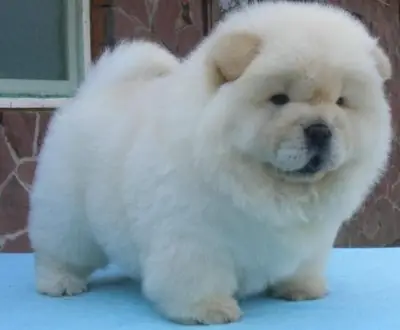
Pekingese 2026: Temperament, Care Costs, and Health Insights for New Owners
The Pekingese is a small dog breed with a rich history and distinct appearance. Known for their luxurious coats and regal demeanor, these dogs are deeply tied to Chinese royalty. Prospective owners should be aware of their grooming needs and potential hereditary health concerns.
1. Breed identity & standards
The Pekingese is a toy breed that originated in China, specifically bred as companions for Chinese royalty. These dogs are characterized by their compact size and distinct lion-like appearance. A typical Pekingese stands about 15–23 cm (6–9 inches) at the shoulder and weighs between 3.2–6.4 kg (7–14 pounds). Their lifespan ranges from 12 to 14 years, making them a relatively long-lived breed for their size.
| Trait | Typical value | Why it matters to an adopter |
|---|---|---|
| Origin | China | Historical significance and cultural value |
| Size | 15-23 cm, 3.2-6.4 kg | Ideal for apartment living |
| Coat | Long, double-layered | Requires regular grooming |
| Lifespan | 12-14 years | Long-term commitment |
2. Temperament & instincts
The Pekingese is known for its dignified and independent temperament. Historically, these dogs were bred to sit on the laps of royalty, and this regal disposition remains apparent today. They are often aloof with strangers but show great affection towards their family members. Despite their small size, they possess a brave and bold nature, often displaying a strong sense of loyalty.
While generally calm, Pekingese dogs can be quite alert and will bark to announce visitors or unusual noises, making them effective watchdogs despite their small stature. Their loyalty and independence mean they may not always be eager to please, which can sometimes be mistaken for stubbornness. It's important for owners to understand and respect their unique personality traits.
3. Daily activity / exercise needs by life stage
Pekingese are not as demanding in terms of exercise compared to larger breeds, but regular activity is crucial to prevent obesity and maintain overall health. Here's a breakdown of their exercise needs by life stage:
| Life stage | Target | Notes |
|---|---|---|
| Puppy | 15-20 minutes daily | Short, gentle play sessions to avoid overexertion |
| Adult | 30-40 minutes daily | Walks and indoor play are ideal |
| Senior | 15-20 minutes daily | Adjust to their energy levels and health status |
4. Purchase/adoption price framework
The cost of acquiring a Pekingese can vary significantly based on factors such as pedigree, breeder reputation, and location. Here's a general framework for potential costs:
| Type | Cost range (USD) | Notes |
|---|---|---|
| Adoption from shelter | $75 - $200 | Cost-effective and gives a home to a dog in need |
| Breeder (pet quality) | $600 - $1,000 | Usually includes basic health checks |
| Breeder (show quality) | $1,500 - $3,000+ | Includes extensive health testing and pedigree |
5. First-year setup + monthly running cost
Owning a Pekingese involves various setup and recurring costs. Here's an outline of what new owners can expect:
| Item | Cost (USD) | Notes |
|---|---|---|
| Initial veterinary care | $300 - $500 | Includes vaccines and spaying/neutering |
| Grooming tools | $50 - $100 | Brushes, clippers, and other essentials |
| Monthly food | $20 - $40 | Quality dry and wet food |
| Monthly grooming | $30 - $60 | Professional grooming every 4-6 weeks |
| Annual total | $1,200 - $2,000 | Includes all basic care and maintenance |
6. Nutrition by life stage
The nutritional needs of a Pekingese will change as they grow. Here's a guide to ensure their diet supports their health:
| Life stage | Diet focus | Notes |
|---|---|---|
| Puppy | High-quality puppy formula | Rich in protein and fat for growth |
| Adult | Balanced adult dog food | Maintain weight and health |
| Senior | Senior-specific formulas | Lower calories, joint support |
7. Grooming / coat & hygiene care
The Pekingese has a long, double-layered coat that requires regular grooming to prevent matting and tangling. Daily brushing is recommended to keep their coat in good condition and to minimize shedding. Professional grooming every four to six weeks is also advised, especially to maintain their distinct appearance.
Additionally, their facial folds need to be cleaned regularly to prevent infections, and dental hygiene should not be neglected, as small breeds are prone to dental issues. Regular nail trimming and ear cleaning will also contribute to their overall health and well-being.
8. Health
Pekingese are predisposed to several hereditary conditions due to their unique anatomy. It's crucial for potential owners to be informed about these issues and seek breeders who perform health screenings.
- Brachycephalic Obstructive Airway Syndrome (BOAS): Affects breathing due to their flat face.
- Intervertebral Disc Disease (IVDD): Due to their short legs and long back.
- Patellar Luxation: Affects the knee joint, causing discomfort.
- Progressive Retinal Atrophy (PRA): Can lead to blindness over time.
Veterinary costs for these conditions can range from $300 for regular check-ups to several thousand dollars for surgeries. Regular vet visits and a good insurance plan can help manage these expenses.
9. Training / behaviour priorities
Pekingese require patient and consistent training due to their independent nature. Socialization from a young age is key to ensuring they are well-adjusted adults. Basic commands and impulse control should be prioritized, as well as leash training to manage their potential stubbornness.
Positive reinforcement methods work best with this breed, as harsh training techniques can lead to resistance. Owners should focus on building a trusting relationship and encouraging good behavior through rewards and praise.
10. Home environment fit
Pekingese are well-suited to apartment living due to their small size and moderate exercise needs. However, they should not be left alone for extended periods, as they thrive on companionship. They can coexist peacefully with other pets if introduced properly, but their regal nature means they may prefer being the center of attention.
Families with older children are usually a better fit, as young children might not understand the delicacy required when handling such a small and independent breed. A home with a calm environment suits them best, as they are not fans of excessive noise and chaos.
11. Lifestyle fit matrix
| Lifestyle | Fit verdict | Reason |
|---|---|---|
| Single professionals | Good | Require moderate attention, suitable for apartment living |
| Families with young children | Moderate | Delicate and may not tolerate rough handling |
| Elderly couples | Excellent | Low exercise needs and great companionship |
| Active outdoorsy types | Poor | Prefer calm environments and low activity |
12. Breeder / shelter / adoption checklist
- Ensure the breeder performs health screenings for common Pekingese conditions.
- Visit the breeding facility to see the living conditions and meet the puppy's parents.
- Ask for references from previous puppy buyers.
- Check if the puppy has been socialized with people and other animals.
- Confirm the puppy has received initial vaccinations and deworming.
- Request a written health guarantee and return policy from the breeder.
13. FAQ
How much does a Pekingese shed?
Pekingese have a long, luxurious coat that sheds moderately. Regular grooming, including daily brushing, helps manage shedding and keeps their coat healthy. Professional grooming every few weeks will also help maintain their distinctive appearance.
Are Pekingese good with other pets?
Pekingese can coexist with other pets if introduced properly and socialized from a young age. They have a regal nature and may prefer being the center of attention, but with proper introductions and respect for their space, they can share a home with other animals.
Do Pekingese bark a lot?
Pekingese are known to be alert and will bark to alert their owners of new visitors or unusual noises. While they can be vocal, training and socialization can help manage excessive barking. Their alert nature makes them effective watchdogs despite their size.
What health issues are common in Pekingese?
Pekingese are prone to several health issues, including Brachycephalic Obstructive Airway Syndrome (BOAS), Intervertebral Disc Disease (IVDD), Patellar Luxation, and Progressive Retinal Atrophy (PRA). Regular veterinary check-ups and health screenings are important for managing these conditions.
14. 2026 Note & Closing Verdict
As of 2026, the Pekingese remains a cherished breed for those seeking a small, regal companion with a rich history. Their unique appearance and independent nature make them ideal for dedicated owners who appreciate their distinctive traits.
Who should adopt: Individuals or couples who enjoy a calm lifestyle, have the time for regular grooming, and appreciate a breed with a strong sense of independence.
Who should not adopt: Those looking for a highly active dog or those who are unable to commit to regular grooming and health monitoring. Families with very young children should also consider the breed's delicacy and temperament.