Samoyed 2026: Temperament, Health Concerns, and Cost Insights
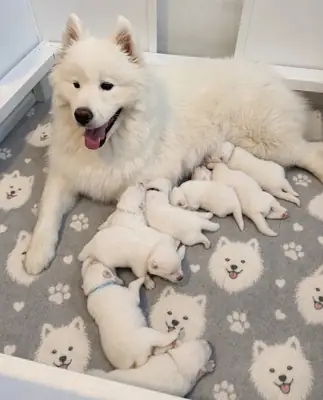
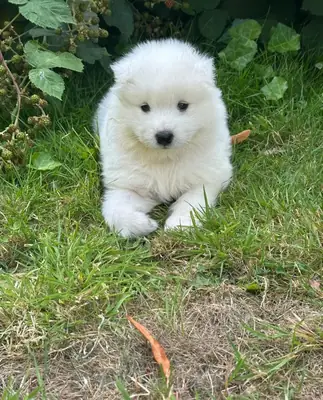
The Samoyed is a majestic and friendly dog breed known for its thick, white double coat and perpetually smiling face. Originally bred for herding and sledding in Siberia, these dogs have unique needs and characteristics that potential adopters should consider. This guide covers everything from temperament and exercise needs to health concerns and costs associated with owning a Samoyed.
1. Breed Identity & Standards
The Samoyed, originating from Siberia, was historically used by the Samoyedic people for herding reindeer and pulling sleds. This large breed is known for its thick, white double coat that helps it withstand freezing temperatures. Samoyeds typically weigh between 45 to 65 pounds (20 to 30 kg) and stand at a height of 19 to 23.5 inches (48 to 60 cm) at the shoulder. Their lifespan ranges from 12 to 14 years. These dogs are often confused with other Arctic breeds such as the Siberian Husky and Alaskan Malamute due to their similar working backgrounds and physical appearances.
| Trait | Typical Value | Why it Matters |
|---|---|---|
| Origin | Siberia | Historical purpose influences behavior |
| Weight | 45-65 lbs (20-30 kg) | Indicates size and exercise needs |
| Coat | Thick double coat | Requires regular grooming |
2. Temperament & Instincts
Samoyeds are known for their friendly and gentle demeanor, traits that stem from their history as working dogs alongside humans. They are highly social animals and thrive on human companionship, often forming strong bonds with their family members. This breed is known for its playful nature and can be quite vocal, using a range of sounds to communicate with their owners. Despite their friendly disposition, Samoyeds retain a moderate prey drive, a remnant of their herding background, which may necessitate careful introduction to smaller pets.
Energy levels in Samoyeds are high, and they require ample exercise to prevent boredom and potential destructive behavior. Their intelligence and eagerness to please make them relatively easy to train, though their independent streak can sometimes pose a challenge. Socialization from a young age is crucial to ensure they are well-adjusted and happy in various environments.
3. Daily Activity / Exercise Needs by Life Stage
| Life Stage | Target | Notes |
|---|---|---|
| Puppy | 30-60 minutes | Focus on short, frequent play sessions |
| Adult | 1-2 hours | Includes walks, play, and mental stimulation |
| Senior | 30-60 minutes | Adapt to energy levels, maintain mobility |
Samoyeds require a significant amount of exercise throughout their lives. As puppies, they benefit from short, frequent play sessions that help them develop physically and mentally. Adult Samoyeds thrive with one to two hours of daily activity, which should include a mix of walks, playtime, and mental challenges to keep them engaged. As they age, seniors may need reduced exercise quantities but still require enough activity to maintain joint health and mobility.
4. Purchase/Adoption Price Framework
| Source | Price Range (USD) | Notes |
|---|---|---|
| Breeder | $1,000 - $3,000+ | Varies with pedigree and health testing |
| Rescue/Adoption | $150 - $400 | Typically includes basic vet care |
The cost of acquiring a Samoyed can vary widely based on the source. Purchasing from a breeder can range from $1,000 to over $3,000, especially for dogs with a documented pedigree and health screenings. Adopting from a rescue is generally more affordable, with fees typically ranging from $150 to $400, often including initial veterinary care.
5. First-Year Setup + Monthly Running Cost
| Item | Cost Range (USD) | Notes |
|---|---|---|
| Neuter/Spay | $200 - $500 | One-time veterinary procedure |
| Vaccinations | $75 - $150 | Annual requirement |
| Crate and Bed | $100 - $250 | Essential for training and comfort |
| Food | $50 - $100 per month | Quality diet is crucial for health |
| Grooming Supplies | $50 - $100 | Includes brushes and shampoo |
| Monthly Total | $100 - $250 | Includes food and basic care |
Owning a Samoyed involves initial setup costs such as neutering/spaying, vaccinations, and essential items like crates and beds. These can total between $425 and $1,000 in the first year. Monthly expenses for food and basic care range from $100 to $250, depending on the quality of products and services chosen.
6. Nutrition by Life Stage
| Life Stage | Dietary Needs | Notes |
|---|---|---|
| Puppy | High-quality puppy food | Supports growth and development |
| Adult | Balanced diet with protein | Maintains energy and weight |
| Senior | Senior-specific formula | Supports joint health and lower activity |
Nutritional needs for Samoyeds vary by life stage. Puppies require high-quality food that supports their rapid growth and development. As adults, a balanced diet rich in protein helps maintain their energy levels and healthy weight. Seniors benefit from formulas designed to support joint health and cater to lower activity levels.
7. Grooming / Coat & Hygiene Care
The Samoyed's thick double coat demands regular grooming to prevent matting and reduce shedding. Brushing at least three times a week is recommended, with daily sessions during shedding season. These dogs are prone to heavy seasonal shedding, which can be managed with proper grooming tools. Regular dental care is also important to prevent periodontal disease, and owners should aim to brush their dog's teeth several times a week.
Bathing should be done every few months or as needed, using a dog-specific shampoo to maintain the coat's natural oils. Ear cleaning and nail trimming are other essential aspects of their hygiene routine, requiring regular attention to prevent infections and overgrowth.
8. Health
- Hip Dysplasia: A common condition where the hip joint doesn't fit properly, potentially leading to arthritis.
- Progressive Retinal Atrophy (PRA): An eye disorder that can result in blindness.
- Hypothyroidism: A thyroid disorder that can lead to weight gain and lethargy.
- Diabetes Mellitus: A metabolic disorder requiring lifelong management.
Samoyeds are predisposed to several hereditary health issues. Ethical breeders often test for conditions like hip dysplasia and progressive retinal atrophy, providing assurance on the health of their puppies. Routine veterinary care is crucial for early detection and management of these health concerns. Owners should budget for potential veterinary costs, which can vary widely depending on the condition and treatment required.
9. Training / Behaviour Priorities
Training a Samoyed requires patience and consistency, given their intelligence and occasional stubbornness. Obedience training should start early, focusing on commands that ensure safety and enhance communication. Recall and impulse control are particularly important, given their independent nature and moderate prey drive.
Socialization is another critical aspect, helping them become well-mannered and adaptable to different environments and people. Positive reinforcement methods work best, as Samoyeds respond well to praise and treats. A structured training routine can mitigate potential behavioral issues and ensure a well-adjusted companion.
10. Home Environment Fit
Samoyeds can adapt to various living environments, provided they receive adequate exercise and mental stimulation. They are not ideally suited for apartment living due to their size and energy levels but can thrive in homes with a fenced yard where they can play and explore. Their friendly and social nature makes them excellent companions for families, including those with children. However, their moderate prey drive necessitates careful introductions to cats and smaller pets.
Potential owners should consider the time commitment required to meet their exercise and grooming needs, as well as their social nature, which may lead to separation anxiety if left alone for extended periods.
11. Lifestyle Fit Matrix
| Lifestyle | Fit Verdict | Reason |
|---|---|---|
| Active Families | Excellent | Enjoys outdoor activities and play |
| Apartment Dwellers | Poor | Requires more space and exercise |
| Single Pet Owners | Good | Forms strong bonds with owners |
| Frequent Travelers | Poor | Prone to separation anxiety |
Samoyeds are best suited for active families who can provide the necessary exercise and companionship. They may not be the best choice for apartment dwellers due to their space and activity requirements. Single pet owners who can dedicate time to bonding and training will find a loyal companion in a Samoyed. However, those who travel frequently might struggle with this breed's need for constant companionship.
12. Breeder / Shelter / Adoption Checklist
- Verify the breeder's or shelter's reputation and credentials.
- Ask about health screenings for hip dysplasia and PRA.
- Meet the puppy's parents to assess temperament and health.
- Ensure vaccinations and deworming are up-to-date.
- Request a written health guarantee or adoption contract.
- Inquire about the puppy's diet and current routine.
Adopting a Samoyed should involve thorough research and preparation. Prospective owners should ensure they are dealing with reputable breeders or shelters that prioritize the health and well-being of their dogs. Understanding the puppy's current routine and health status is crucial for a smooth transition into their new home.
13. FAQ
Does the Samoyed shed a lot?
Yes, Samoyeds are known for heavy shedding, particularly during seasonal changes. Regular grooming is essential to manage their thick double coat and reduce shedding around the home.
Is the Samoyed good with children?
Samoyeds are typically excellent with children, thanks to their gentle and friendly nature. They enjoy playtime and can be very patient, making them great family pets. Supervision is recommended with young children to ensure safe interactions.
Do Samoyeds bark a lot?
Samoyeds are known to be vocal and may bark to communicate various needs or alert their owners. Proper training and mental stimulation can help manage excessive barking behaviors.
How long do Samoyeds typically live?
Samoyeds have a lifespan of 12 to 14 years, though this can vary based on genetics, health care, and lifestyle. Regular veterinary check-ups and a healthy diet can contribute to a longer, healthier life.
14. Final Note and Adoption Verdict
In 2026, the Samoyed remains a popular choice for those who can meet their unique needs. These dogs require time, attention, and a commitment to regular grooming and exercise. They thrive in environments where they can be active and social with their families. Potential adopters should carefully consider their lifestyle and ability to provide a suitable home for this energetic and affectionate breed.
In conclusion, a Samoyed is ideal for active individuals or families prepared for the grooming and exercise demands. However, they may not be suitable for those with limited time or living space. Understanding these needs will ensure a happy and fulfilling relationship with your Samoyed.