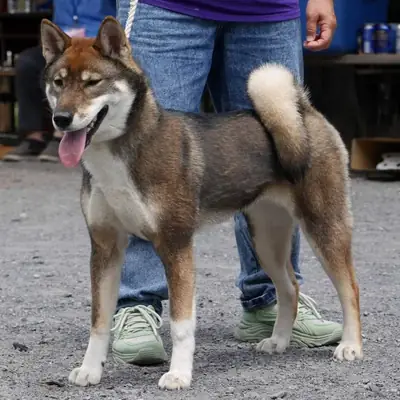
Shikoku 2026: Temperament, Health, and Adoption Costs Unveiled
The Shikoku is a spirited medium-sized dog with a rich history as a hunting companion in Japan. Known for its agility and loyalty, this breed requires an understanding of its unique characteristics, including its energetic temperament and specific health considerations.
1. Breed identity & standards
The Shikoku, originating from Japan, is a breed developed primarily for hunting in mountainous regions. This breed is renowned for its agility and endurance. Typically, Shikokus stand between 17 to 22 inches (43 to 55 cm) at the shoulder and weigh from 35 to 55 pounds (16 to 25 kg). They have a double coat, which is thick and weather-resistant, often seen in shades of sesame, black and tan, or red.
The Shikoku is sometimes confused with the Shiba Inu, another Japanese breed, but the Shikoku is generally larger and more robust. The expected lifespan of a Shikoku ranges from 10 to 12 years.
| Trait | Typical Value | Why it Matters |
|---|---|---|
| Height | 17-22 inches (43-55 cm) | Indicates medium size suitable for active lifestyles |
| Weight | 35-55 pounds (16-25 kg) | Robust build for endurance activities |
| Coat | Smooth, double coat | Weather-resistant, requires regular grooming |
| Lifespan | 10-12 years | Indicative of typical longevity with proper care |
2. Temperament & instincts
The Shikoku's temperament is deeply rooted in its history as a hunting dog. This breed is known for its high energy levels and strong prey drive, making it an excellent companion for those who enjoy active outdoor pursuits. The Shikoku tends to be independent yet loyal, often forming strong bonds with its family while remaining wary of strangers.
Although they are generally quiet, Shikokus may be vocal when alerting their owners to something unusual. Their independence can sometimes be mistaken for aloofness, but with proper socialization, these dogs can be friendly and sociable with other pets and children. However, early socialization is crucial to ensure they develop into well-rounded companions.
3. Daily activity / exercise needs by life stage
The Shikoku requires ample exercise to keep it mentally and physically stimulated. This breed thrives with regular outdoor activities that challenge their natural instincts.
| Life Stage | Target Exercise | Notes |
|---|---|---|
| Puppy | 30-45 minutes/day | Focus on short, varied play sessions to develop skills |
| Adult | 60-90 minutes/day | Consider hiking or agility training to meet exercise needs |
| Senior | 30-60 minutes/day | Maintain mobility with gentle walks and mental games |
4. Purchase/adoption price framework
The cost of acquiring a Shikoku can vary significantly based on factors such as pedigree, breeder reputation, and geographic location. Adoption from a shelter or rescue is generally more economical than purchasing from a breeder.
| Source | Price Range (USD) | Notes |
|---|---|---|
| Breeder | $1,500 - $3,000 + | Higher for show-quality or health-tested lines |
| Rescue/Shelter | $200 - $500 | Adoption fees often include initial vet care |
5. First-year setup + monthly running cost
Owning a Shikoku involves both initial setup costs and ongoing expenses. It's important for potential owners to be prepared for these financial commitments.
| Item | Cost Range (USD) | Notes |
|---|---|---|
| Initial Vet Visits | $300 - $500 | Includes vaccinations and health checks |
| Crate and Bedding | $100 - $250 | Essential for training and comfort |
| Training Classes | $150 - $300 | Crucial for socialization and behavior management |
| Monthly Food & Treats | $50 - $100 | Quality diet tailored to breed needs |
| Annual Total | $1,500 - $2,500 | Includes all basic care and maintenance |
6. Nutrition by life stage
Proper nutrition is vital to support the Shikoku's active lifestyle and overall health. Dietary needs will vary depending on the dog's age and activity level.
| Life Stage | Dietary Focus | Notes |
|---|---|---|
| Puppy | High protein, balanced calcium | Supports growth and development |
| Adult | Balanced nutrition with joint support | Sustains energy and joint health |
| Senior | Lower calories, high fiber | Supports weight management and digestion |
7. Grooming / coat & hygiene care
The Shikoku's double coat requires regular grooming to maintain its condition and reduce shedding. Weekly brushing is recommended to remove loose hair and prevent matting. During shedding seasons, more frequent grooming may be necessary. As with all breeds, regular dental care, nail trimming, and ear cleaning are important components of the Shikoku's hygiene routine.
Given their active nature, Shikokus may require baths more frequently than less active breeds, particularly if they spend a lot of time outdoors. However, over-bathing can strip the coat of its natural oils, so it should be done only as needed.
8. Health
The Shikoku is generally a healthy breed but is prone to certain genetic conditions that potential owners should be aware of. Reputable breeders often conduct health screenings to reduce the risk of these issues.
- Hip Dysplasia: A common joint condition that can lead to arthritis if untreated. Regular vet check-ups and maintaining a healthy weight are crucial.
- Patellar Luxation: A condition where the kneecap dislocates or moves out of its normal location, potentially requiring surgical intervention.
- Allergies: Can manifest as skin irritations or digestive issues, often managed with diet and medication.
Routine veterinary care can help manage these conditions effectively, with costs varying widely depending on the severity and treatment required.
9. Training / behaviour priorities
Training a Shikoku requires patience and consistency, given their independent nature. Early socialization and basic obedience training are crucial. These dogs benefit from positive reinforcement techniques and may excel in agility or other canine sports that challenge their intelligence and agility. It's important to establish clear boundaries and a structured environment to prevent unwanted behaviors from developing.
10. Home environment fit
The Shikoku is best suited to homes with ample space and a secure yard due to its active nature and strong prey drive. While they can adapt to apartment living if given sufficient exercise, they thrive in environments where they can explore and burn energy. The breed typically coexists well with children and other pets if socialized from a young age, but supervision is recommended due to their high energy levels.
11. Lifestyle fit matrix
| Lifestyle | Fit Verdict | Reason |
|---|---|---|
| Active Outdoors | Excellent | Thrives with regular physical activity |
| Apartment Dweller | Moderate | Requires substantial daily exercise |
| Family with Young Kids | Good | Generally friendly with children |
| First-time Dog Owner | Challenging | Requires experienced handling and training |
12. Breeder / shelter / adoption checklist
- Verify health clearances for hip dysplasia and patellar luxation.
- Ask about the puppy's socialization experiences.
- Ensure the breeder or shelter provides a complete medical history.
- Observe the puppy's interaction with littermates and humans.
- Check the living conditions for cleanliness and space adequacy.
- Confirm the breeder's or shelter's reputation through reviews or references.
13. FAQ
Does the Shikoku shed a lot?
Yes, the Shikoku sheds seasonally, particularly in spring and fall. Regular brushing can help manage shedding and keep their coat healthy.
Is the Shikoku good with children?
Shikokus can be good with children if properly socialized from an early age. They are generally friendly but should always be supervised around young kids due to their energy levels.
Do Shikokus bark a lot?
Shikokus are not known to be excessive barkers. They may bark to alert their owners to strangers or unusual activity, but they are typically a quiet breed.
How long do Shikokus live?
Shikokus have a typical lifespan of 10 to 12 years, though this can vary based on genetics and overall health care.
14. Final thoughts
The Shikoku is a breed that offers both challenges and rewards. They are ideal for active individuals or families who can provide the exercise and mental stimulation these dogs need. While their independent nature may pose training challenges, their loyalty and spirit make them a rewarding companion for the right owner. Prospective owners should thoroughly consider their lifestyle and ability to meet the Shikoku's needs before committing to adoption.