Strey Dog 2026: Temperament, Health, and Adoption Insights
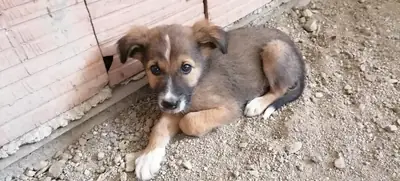
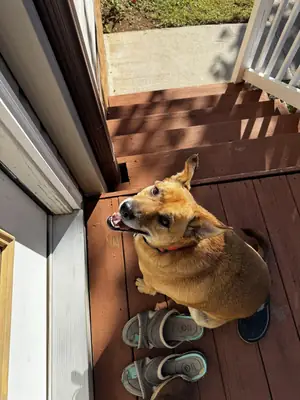
The Strey Dog, often referred to as the Sokak Köpeği, is a resilient and adaptable canine commonly found in urban and rural areas of Turkey. Known for their diverse physical traits and robust health, these dogs are a fascinating blend of various breeds, resulting in a unique and versatile companion.
1. Breed Identity & Standards
The Strey Dog, or Sokak Köpeği, is not a standardized breed but rather a collection of mixed-breed dogs typically found on the streets of Turkey. Their origin is a result of natural breeding among various dog populations, leading to a wide variety of physical appearances. These dogs can range in size from 40 to 70 cm in height and weigh between 10 to 35 kg, depending on their genetic background.
Coat varieties are equally diverse, with short, medium, and long-haired types all possible, and colors ranging from black, brown, white, to mixed patterns. The lifespan of a Strey Dog generally ranges from 10 to 15 years, benefiting from hybrid vigor which often results in fewer hereditary health issues. However, they can be easily confused with other mixed-breed dogs found globally.
| Attribute | Details | Significance |
|---|---|---|
| Origin | Turkey | Adapted to local climates and environments |
| Size | 40-70 cm height | Varies widely due to mixed breed status |
| Coat | Short, medium, long | Requires different grooming needs |
| Lifespan | 10-15 years | Reflects hybrid vigor |
2. Temperament & Instincts
Strey Dogs are known for their intelligence and adaptability, traits that have allowed them to thrive in diverse environments from bustling cities to quiet rural areas. Historically acting as scavengers, they have developed strong problem-solving abilities and a keen sense of awareness. This intelligence translates into a dog that is quick to learn and responds well to positive reinforcement training methods.
Though generally friendly, Strey Dogs can be wary of strangers, a behavior rooted in their instincts for survival. They tend to be independent yet form strong bonds with their human families. Their energy levels can vary, with some being quite active and requiring substantial exercise, while others are content with moderate activity. This variability in energy levels should be considered when adopting a Strey Dog.
3. Daily Activity / Exercise Needs by Life Stage
Exercise is crucial for the physical and mental well-being of Strey Dogs, although the amount needed can vary with age and individual energy levels.
| Life Stage | Target Exercise | Notes |
|---|---|---|
| Puppy | 60+ minutes | Includes playtime and short walks |
| Adult | 45-90 minutes | Varies with energy level; mix of walks and play |
| Senior | 30-60 minutes | Gentle walks to maintain health |
4. Purchase/Adoption Price Framework
The costs associated with adopting a Strey Dog can vary significantly based on the source, such as adopting from a shelter or rescue group.
| Source | Price Range (USD) | Notes |
|---|---|---|
| Shelter | $50-$150 | Includes initial health check and vaccinations |
| Rescue | $100-$300 | May include spay/neuter and microchip |
| Street Adoption | $0-$100+ | Depends on immediate medical needs |
5. First-Year Setup + Monthly Running Cost
Expect to incur various costs in the first year of owning a Strey Dog. This includes initial setup costs and ongoing monthly expenses.
| Item | Cost (USD) | Details |
|---|---|---|
| Initial Vet Visit | $100-$300 | Includes vaccinations, check-up |
| Neuter/Spay | $150-$400 | Varies by location |
| Monthly Food | $30-$70 | Quality dog food |
| Parasite Prevention | $10-$20 | Monthly treatment |
| Annual Total | $800-$1500 | Includes all essential items |
6. Nutrition by Life Stage
A balanced diet is essential for the health of a Strey Dog, tailored to their life stage.
| Life Stage | Diet Type | Notes |
|---|---|---|
| Puppy | High protein, nutrient-rich | Supports growth and development |
| Adult | Balanced diet | Maintains health and energy |
| Senior | Low-calorie, joint support | Prevents obesity, supports aging joints |
7. Grooming / Coat & Hygiene Care
Grooming needs for Strey Dogs can vary depending on their coat type. Dogs with longer fur require regular brushing to prevent matting, while short-haired varieties need less frequent grooming. Regardless of coat length, a Strey Dog should be bathed every 4-6 weeks or as needed to maintain hygiene.
Regular dental care and nail trimming are also important. Dental disease is a common concern in dogs, and brushing their teeth several times a week can help prevent it. Nails should be trimmed monthly to prevent overgrowth and associated discomfort.
8. Health
The genetic diversity of Strey Dogs often results in fewer hereditary conditions compared to purebred dogs. However, potential adopters should be aware of the following health considerations:
- Parasites: Regular parasite prevention is crucial, especially for dogs that have lived outdoors.
- Hip Dysplasia: Some larger individuals may be prone to joint issues.
- Dental Disease: Common in many dogs; regular dental care is recommended.
A typical veterinary visit for a Strey Dog can range from $50 to $150, depending on the services provided. Routine health screenings and vaccinations are essential to maintain their well-being.
9. Training / Behaviour Priorities
Training a Strey Dog requires patience and understanding of their independent nature. Early socialization is key to ensuring they develop into well-rounded adults. Basic obedience training, including commands like sit, stay, and recall, should be prioritized.
Due to their history as street dogs, some may exhibit food guarding behaviors. Positive reinforcement training can help mitigate these tendencies. Consistency and patience are crucial, as these dogs are intelligent but may have a stubborn streak.
10. Home Environment Fit
Strey Dogs are adaptable to various living conditions, but they thrive best in environments where they have space to move and explore. While they can adapt to apartment living, regular outdoor exercise is necessary to keep them healthy and happy.
They generally get along well with children and other pets, provided they are properly socialized from a young age. A fenced yard is ideal to allow them to explore safely, and they should be supervised when around smaller pets due to their prey drive.
11. Lifestyle Fit Matrix
Consider the following lifestyle factors to determine if a Strey Dog is a good fit for your household.
| Lifestyle | Fit Verdict | Reason |
|---|---|---|
| Active Singles/Couples | Good | Enjoys outdoor activities |
| Families with Kids | Excellent | Loyal and protective |
| Apartment Dwellers | Moderate | Requires regular exercise |
| First-Time Owners | Good | Intelligent and trainable |
| Multi-Pet Homes | Good | Can coexist with other pets |
12. Breeder / Shelter / Adoption Checklist
- Ensure the dog has received a recent veterinary check-up.
- Verify vaccination records and parasite prevention treatments.
- Assess the dog's temperament and behavior in various situations.
- Confirm the dog is spayed or neutered or understand the plan for it.
- Discuss any known health issues or concerns with the adoption agency.
- Ensure the dog has been microchipped for identification purposes.
13. FAQ
Does the Strey Dog shed a lot?
The shedding level of a Strey Dog depends on its coat type. Short-haired varieties shed less frequently, while long-haired dogs may shed more, especially during seasonal changes. Regular grooming can help manage shedding.
Is the Strey Dog good with children?
Yes, Strey Dogs generally get along well with children. Their loyal and protective nature makes them good family pets. Early socialization is essential to ensure positive interactions with kids.
How much exercise does a Strey Dog need?
Strey Dogs require varying levels of exercise based on their energy levels. Generally, they need at least 45 to 90 minutes of exercise daily, which can include walks, playtime, and mental stimulation.
Are Strey Dogs easy to train?
Strey Dogs are intelligent and can learn quickly, but they may exhibit independent behavior. Consistent, positive reinforcement training from an early age will yield the best results.
What health issues are common in Strey Dogs?
While generally healthy due to their mixed breeding, Strey Dogs may face issues such as parasites, hip dysplasia, and dental disease. Regular veterinary care can help mitigate these risks.
14. Conclusion
Strey Dogs make wonderful companions for those who appreciate their unique mix of traits and adaptability. They are best suited for active individuals or families who can provide the exercise and mental stimulation they need. With proper care and attention, these dogs can thrive in a variety of environments and bring joy to their owners for many years.