Tibetan Mastiff 2026: Temperament, Price, and Health Insights for Adopters
The Tibetan Mastiff is a majestic and powerful breed, known for its impressive size and protective nature. Originating from the Himalayan regions, this breed requires a unique understanding of its traits, including its substantial exercise needs and health considerations.
1. Breed Identity & Standards
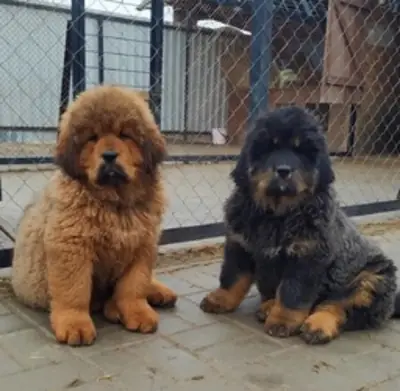
The Tibetan Mastiff hails from Tibet and was traditionally used as a guardian of livestock in the harsh climates of the Himalayas. This breed is categorized as a giant dog, with males typically weighing between 45 and 73 kg (100 to 160 lbs) and standing 66 to 76 cm (26 to 30 inches) tall at the shoulder. Females are slightly smaller, weighing between 34 and 54 kg (75 to 120 lbs) and measuring 61 to 71 cm (24 to 28 inches) tall.
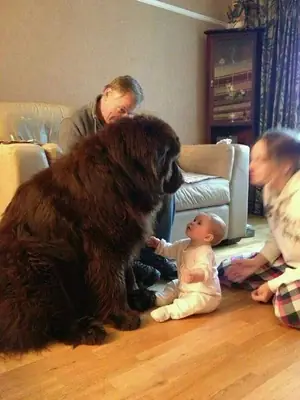
Their double coat, which can be found in various colors such as black, brown, and blue-gray, is designed to protect against the cold. The lifespan of a Tibetan Mastiff ranges from 10 to 14 years. They are often confused with other large breeds like the Newfoundland or St. Bernard due to their size and coat, but their unique temperament sets them apart.
| Trait | Typical Value | Why it Matters |
|---|---|---|
| Origin | Tibet | Helps understand historical purpose and temperament |
| Weight | 45–73 kg (males) | Important for feeding and health management |
| Coat Type | Double coat | Requires specific grooming practices |
2. Temperament & Instincts
Tibetan Mastiffs are known for their independent and protective nature, traits rooted in their history as livestock guardians. They are instinctively wary of strangers, which makes them excellent watchdogs. However, this wariness also means they need early socialization to prevent overly aggressive behavior.
These dogs are generally calm and composed, but they possess a strong territorial instinct. Tibetan Mastiffs are not inherently aggressive but will act assertively if they perceive a threat. They are known for their deep, resonant bark, which they use to alert owners of any unusual activity. Their protective nature is balanced with loyalty and affection towards their family.
3. Daily Activity / Exercise Needs by Life Stage
Tibetan Mastiffs require regular exercise to maintain their physical and mental health. While they are not as hyperactive as some breeds, they do benefit from daily walks and play sessions.
| Life Stage | Target | Notes |
|---|---|---|
| Puppy | 30 minutes | Short, controlled walks to prevent joint issues |
| Adult | 60 minutes | Includes walks and mental stimulation |
| Senior | 30 minutes | Gentle exercise to maintain mobility |
4. Purchase/Adoption Price Framework
The cost of acquiring a Tibetan Mastiff can vary significantly based on the source and the dog's lineage. Here is a realistic price framework:
| Source | Price Range | Notes |
|---|---|---|
| Breeder | $1,500 - $5,000 USD | Higher for show-quality or health-tested lines |
| Rescue/Adoption | $150 - $500 USD | Typically includes vaccinations and spay/neuter |
5. First-Year Setup + Monthly Running Cost
Owning a Tibetan Mastiff requires a financial commitment, especially in the first year, which includes setup costs and ongoing monthly expenses.
| Item | Cost Range | Notes |
|---|---|---|
| Initial Veterinary Care | $300 - $500 USD | Includes vaccinations, microchipping |
| Neutering/Spaying | $200 - $400 USD | Varies by location and clinic |
| Crate, Bed, Toys | $150 - $300 USD | Essential for comfort and security |
| Monthly Food | $70 - $100 USD | High-quality, breed-appropriate diet |
| Parasite Prevention | $15 - $30 USD | Monthly flea, tick, and worm prevention |
Estimated Yearly Total: $1,500 - $2,500 USD
6. Nutrition by Life Stage
Tibetan Mastiffs require a diet that meets their specific age-related needs. Their diet should be formulated to prevent obesity and support their large frame.
| Life Stage | Nutritional Needs | Notes |
|---|---|---|
| Puppy | High protein, moderate fat | Supports growth and development |
| Adult | Balanced diet with joint support | Includes omega-3 fatty acids |
| Senior | Low calorie, joint supplements | Helps maintain healthy weight and mobility |
7. Grooming / Coat & Hygiene Care
The Tibetan Mastiff's thick double coat requires regular grooming to prevent matting and reduce shedding. During shedding seasons, typically twice a year, daily brushing is recommended to manage the heavy coat.
In addition to regular brushing, it's important to maintain proper hygiene by checking the ears for debris, trimming the nails regularly to prevent overgrowth and discomfort, and ensuring dental health through regular teeth brushing. Bathing should be done as needed, usually every few months, to keep their coat clean and healthy.
8. Health
Tibetan Mastiffs are generally healthy but are predisposed to certain hereditary conditions. Prospective owners should be aware of these potential health issues:
- Hip Dysplasia: A common condition in large breeds, affecting the hip joint's proper formation.
- Elbow Dysplasia: Similar to hip dysplasia, it affects the elbow joint and can cause lameness.
- Hypothyroidism: A hormonal imbalance that can lead to obesity and lethargy if untreated.
- Progressive Retinal Atrophy (PRA): An eye disorder that can cause blindness.
Ethical breeders should conduct health screenings for these conditions. Veterinary costs for managing these issues can vary, with initial assessments and treatments ranging from $100 to $500 USD. Regular check-ups are essential to maintain health and catch any issues early.
9. Training / Behaviour Priorities
Training a Tibetan Mastiff requires patience and consistency. Due to their independent nature, early socialization is crucial to ensure they are well-adjusted and confident in various environments. Obedience training should begin early, focusing on basic commands and impulse control.
Their protective instincts necessitate training to manage territorial behaviors and ensure they respond appropriately to strangers. Positive reinforcement methods work best for this breed, as they respond well to a firm but gentle approach. It's important to establish clear boundaries and maintain consistent training to foster a well-behaved companion.
10. Home Environment Fit
The Tibetan Mastiff is best suited for homes with ample space, ideally with a large, securely fenced yard where they can roam and patrol. This breed is not well-suited for apartment living due to their size and exercise needs, as well as their tendency to bark when alert.
While they are affectionate with family members, their interactions with children and other pets should be supervised due to their size and protective instincts. Proper socialization can help them coexist peacefully with other animals. Potential owners should be prepared for a strong-willed dog that requires consistent leadership and boundaries.
11. Lifestyle Fit Matrix
| Lifestyle | Fit Verdict | Reason |
|---|---|---|
| Active Outdoorsy | Good Fit | Enjoys regular exercise and outdoor activities |
| Family with Kids | Mixed Fit | Requires supervision and proper socialization |
| Apartment Dweller | Poor Fit | Needs space and has a tendency to bark |
| Experienced Dog Owner | Excellent Fit | Benefits from experienced handling and training |
12. Breeder / Shelter / Adoption Checklist
- Verify the breeder's reputation and request references.
- Ensure health screenings for hereditary conditions.
- Observe the puppy's interaction with littermates and mother.
- Request vaccination and medical history documentation.
- Assess the living conditions and environment of the breeder or shelter.
- Inquire about socialization practices and early training.
13. FAQ
Do Tibetan Mastiffs shed a lot?
Yes, Tibetan Mastiffs have a heavy shedding period typically twice a year. During these times, daily brushing is necessary to manage the shedding and maintain their coat health.
Are Tibetan Mastiffs good with children?
Generally, Tibetan Mastiffs can be good with children if they are properly socialized from a young age. Due to their size and protective nature, interactions should be supervised to ensure safety.
What are common health issues in Tibetan Mastiffs?
Some common health issues include hip and elbow dysplasia, hypothyroidism, and progressive retinal atrophy. Regular veterinary check-ups and health screenings by breeders can help manage these concerns.
How much exercise does a Tibetan Mastiff need?
Tibetan Mastiffs need about an hour of exercise daily as adults. This can include walks and playtime, which are essential for their physical and mental stimulation.
14. Closing Verdict
Choosing to adopt a Tibetan Mastiff is a significant commitment that requires understanding and preparation. They are best suited for experienced dog owners who can provide the space and training needed for this majestic breed. Potential adopters should be ready for their protective nature, grooming needs, and exercise requirements.
While they may not be ideal for first-time dog owners or those living in small apartments, Tibetan Mastiffs can be incredibly rewarding companions for those who appreciate their independence and loyalty. With proper care and attention, they can thrive and become cherished members of the family.