Turkish Greyhound 2026: Temperament, Costs, and Health Insights for New Owners
The Turkish Greyhound, known locally as the Türk Tazısı, is a rare and agile breed with deep historical roots in Turkey. This guide explores the breed's unique physical characteristics and energetic temperament, providing essential information for prospective adopters.
1. Breed Identity & Standards
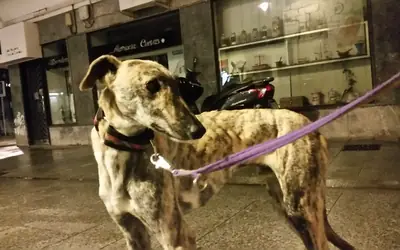
The Turkish Greyhound, or Türk Tazısı, is a sighthound breed originating from Turkey. Historically, these dogs were bred for hunting due to their incredible speed and keen eyesight. They are medium to large-sized dogs, typically weighing between 20-30 kg (44-66 lbs) and standing 60-70 cm (24-28 inches) tall at the shoulder. Their coat is short and smooth, predominantly found in shades of fawn, cream, or brindle.
These dogs share similarities with other sighthounds, such as the Saluki and the Greyhound, but are distinguished by their specific regional adaptations and slightly more robust build. The lifespan of the Turkish Greyhound ranges from 10 to 14 years, depending on health and lifestyle factors.
| Trait | Typical Value | Why it Matters |
|---|---|---|
| Origin | Turkey | Reflects historical use and adaptation |
| Weight | 20-30 kg | Impacts exercise needs and health |
| Height | 60-70 cm | Determines space requirements |
| Coat | Short, smooth | Low maintenance but not weather-resistant |
| Lifespan | 10-14 years | Longevity influences lifetime care commitments |
2. Temperament & Instincts
The Turkish Greyhound is known for its gentle and affectionate nature, despite its origins as a hunting dog. This breed exhibits a high prey drive, a trait inherited from its historical role in chasing and capturing game. As such, they tend to chase smaller animals, which is an important consideration for households with small pets.
These dogs are typically reserved but not shy, often forming strong bonds with their families while remaining polite with strangers. They are less vocal compared to other breeds, making them suitable for quieter households. However, their independence means they may not always seek constant attention, preferring instead to lounge in comfortable spots when at home.
3. Daily Activity / Exercise Needs by Life Stage
Given their athletic nature, Turkish Greyhounds require regular exercise to maintain their physical and mental health. Their exercise needs vary significantly with age:
| Life Stage | Target | Notes |
|---|---|---|
| Puppy | 30-60 minutes/day | Short, controlled play to avoid joint stress |
| Adult | 60-90 minutes/day | Includes running and mental stimulation |
| Senior | 30-45 minutes/day | Gentle walks to maintain mobility |
4. Purchase/Adoption Price Framework
The cost of acquiring a Turkish Greyhound can vary widely based on the dog's origin and lineage. In the United States and the UK, potential adopters can expect the following price ranges:
| Source | Price Range (USD) | Notes |
|---|---|---|
| Breeder | $1,200 - $2,500+ | Higher for health-tested lines |
| Rescue/Adoption | $300 - $600 | Lower cost, but availability is limited |
5. First-Year Setup + Monthly Running Cost
Owning a Turkish Greyhound involves initial setup costs and ongoing monthly expenses for care and maintenance. Here's a breakdown:
| Item | Cost (USD) | Notes |
|---|---|---|
| Initial Veterinary (Neuter, Vaccines) | $300 - $500 | Essential for health and compliance |
| Basic Equipment (Crate, Harness) | $150 - $250 | Depends on quality and brand |
| Monthly Food | $50 - $100 | Quality diet for health maintenance |
| Monthly Parasite Control | $10 - $30 | Prevents common infestations |
Estimated Yearly Total: $1,200 - $2,000
6. Nutrition by Life Stage
The dietary needs of a Turkish Greyhound change as they age, and it's important to tailor their diet accordingly:
| Life Stage | Diet Needs | Notes |
|---|---|---|
| Puppy | High-protein, balanced minerals | Supports growth and development |
| Adult | Balanced diet with quality protein | Maintains energy and health |
| Senior | Lower calorie, joint supplements | Supports aging joints and weight control |
7. Grooming / Coat & Hygiene Care
The Turkish Greyhound's grooming needs are minimal due to their short, smooth coat. Regular brushing once a week is sufficient to remove loose hairs and keep the coat in good condition. They are not heavy shedders, which makes them relatively easy to maintain.
Regular dental care is crucial, as they can be prone to dental issues. Brushing their teeth several times a week and providing dental chews can help maintain oral health. Additionally, routine nail trimming and ear cleaning should be part of their grooming regimen.
8. Health
While the Turkish Greyhound is generally healthy, they can be prone to certain hereditary conditions. Responsible breeders will screen for these issues:
- Hip Dysplasia: A condition where the hip joint is malformed, potentially leading to arthritis.
- Progressive Retinal Atrophy (PRA): A group of genetic diseases affecting the retina, leading to vision loss.
- Gastric Dilatation-Volvulus (Bloat): A life-threatening condition requiring immediate veterinary intervention.
Regular veterinary check-ups are essential for early detection and management of these conditions. Veterinary costs can vary, but routine visits and preventative care typically range from $200 to $500 annually.
9. Training / Behaviour Priorities
Training a Turkish Greyhound requires patience and consistency. Due to their independent nature, early socialization and training are crucial. Focus on recall and impulse control to manage their prey drive effectively. Positive reinforcement methods work best, as this breed responds well to rewards and praise.
Enrolling in obedience classes can help reinforce good behavior and provide necessary mental stimulation. Socializing them with a variety of people, places, and other animals will ensure they grow into well-adjusted adults.
10. Home Environment Fit
The Turkish Greyhound is adaptable to various living environments but thrives best in homes with secure, fenced yards where they can run freely. They can live in apartments with proper exercise, but prospective owners should be committed to providing sufficient outdoor activity.
They are generally good with children and other dogs if properly socialized. However, their strong prey drive means caution should be exercised around small animals. A household that understands and respects their space and exercise needs will find them to be delightful companions.
11. Lifestyle Fit Matrix
| Lifestyle | Fit Verdict | Reason |
|---|---|---|
| Active Outdoorsy | Excellent | Loves running and outdoor activities |
| Apartment Dweller | Moderate | Needs daily outdoor exercise |
| Family with Kids | Good | Gentle but needs supervision with small children |
| Single Professional | Fair | Requires time for exercise and companionship |
12. Breeder / Shelter / Adoption Checklist
- Verify the dog's lineage with the breeder or shelter.
- Ensure health tests for hip dysplasia and PRA have been conducted.
- Ask about the dog's socialization and exposure to different environments.
- Request veterinary records and vaccination history.
- Inquire about the dog's temperament and behavior assessments.
- Ensure the breeder or shelter provides a contract outlining responsibilities.
13. FAQ
Does the Turkish Greyhound shed a lot?
No, the Turkish Greyhound has a short, smooth coat that sheds minimally. Regular brushing helps manage shedding and keeps their coat healthy.
Is the Turkish Greyhound good with children?
Yes, they are generally good with children, but supervision is recommended, especially with younger kids, due to their size and energy levels.
Can a Turkish Greyhound live in an apartment?
While they can adapt to apartment living, they require regular outdoor exercise to meet their high energy needs. A secure yard is ideal for them to run and play.
What common health issues affect the Turkish Greyhound?
Common health concerns include hip dysplasia, progressive retinal atrophy, and bloat. Regular veterinary check-ups are important for early detection and management.
14. Closing Verdict
The Turkish Greyhound is a unique breed that combines grace and athleticism. They are best suited for owners who can meet their exercise needs and appreciate their independent yet affectionate nature. Families, active individuals, and those with secure outdoor space will find them to be rewarding companions. However, those seeking a low-energy or highly dependent breed might consider other options. Understanding their needs and characteristics ensures a harmonious relationship with these elegant dogs.