Vizsla 2026: Temperament, Costs, and Health Essentials for New Owners
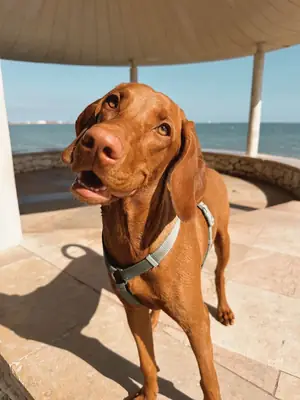
The Vizsla, originating from Hungary, is known for its sleek, rust-colored coat and energetic demeanor. With an athletic build and a friendly disposition, this breed makes an excellent companion for active families.
1. Breed Identity & Standards
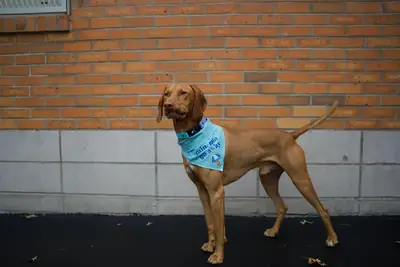
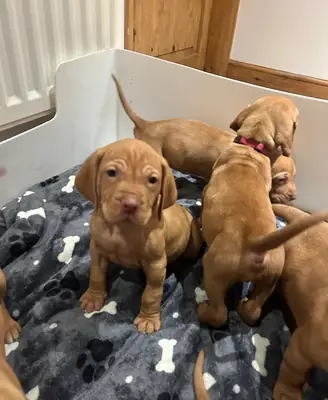
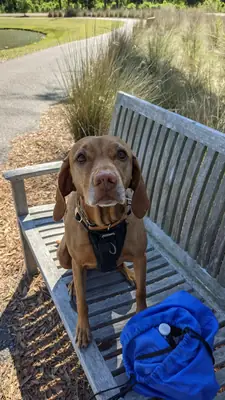
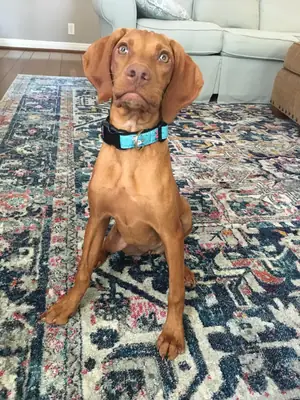
Originating from Hungary, the Vizsla is a medium-sized sporting dog, historically bred for hunting. Known for their excellent scenting ability and impressive speed, Vizslas were used to hunt fowl and small game. The breed is easily recognizable by its short, rust-colored coat and lean, muscular build.
| Trait | Typical Value | Why it Matters |
|---|---|---|
| Origin Country | Hungary | Historical hunting breed |
| Height | 21-24 inches (53-61 cm) | Medium-sized, agile frame |
| Weight | 44-60 pounds (20-27 kg) | Maintains energy and endurance |
| Lifespan | 12-15 years | Long-lived with proper care |
| Coat | Short, smooth, rust-colored | Minimal grooming required |
2. Temperament & Instincts
Vizslas are known for their affectionate and gentle nature. They are often described as "velcro dogs" due to their tendency to stick close to their owners. This breed has a high energy level, which reflects its hunting heritage. Despite their energetic nature, they are known to be gentle and loving with children, making them suitable family pets.
Their hunting background means Vizslas have a strong prey drive and may instinctively chase smaller animals. They are generally not very vocal, but may bark to alert owners of strangers or unusual activities. Their social nature makes them poor candidates for long periods of isolation; they thrive on human companionship and can exhibit separation anxiety if left alone for too long.
3. Daily Activity / Exercise Needs by Life Stage
Vizslas require ample exercise to maintain their physical and mental well-being. Regular activities help mitigate behavioral issues that may arise from boredom or pent-up energy.
| Life Stage | Target | Notes |
|---|---|---|
| Puppy | 45-60 minutes/day | Playtime and short walks |
| Adult | 1-2 hours/day | Includes runs, play, and training |
| Senior | 30-45 minutes/day | Gentle walks and light play |
4. Purchase/Adoption Price Framework
The cost of acquiring a Vizsla varies widely depending on the source and lineage. Prospective owners should consider initial expenses and ongoing care costs.
| Source | Price Range (USD) | Notes |
|---|---|---|
| Breeder | $1,200-$2,500+ | Health-tested, pedigree lines |
| Rescue/Adoption | $150-$500 | Lower cost, may include adults |
5. First-Year Setup & Monthly Running Cost
Owning a Vizsla involves several initial and ongoing expenses, from veterinary care to daily necessities like food and grooming supplies.
| Item | Cost Range (USD) | Details |
|---|---|---|
| Initial Vet Expenses | $300-$600 | Vaccinations, spay/neuter, microchip |
| Training | $100-$300 | Basic obedience classes |
| Crate/Bed | $50-$150 | Comfortable sleeping area |
| Monthly Food | $50-$100 | High-quality kibble or raw diet |
| Annual Total | $1,500-$3,000 | Includes all setup and maintenance |
6. Nutrition by Life Stage
Proper nutrition is crucial for maintaining the Vizsla's health and vitality. The diet should be tailored to their life stage to ensure they receive all necessary nutrients.
| Life Stage | Diet Requirements | Notes |
|---|---|---|
| Puppy | High-quality puppy food | Rich in protein for growth |
| Adult | Balanced adult formula | Includes omega fatty acids |
| Senior | Senior-specific diet | Lower calories, joint support |
7. Grooming / Coat & Hygiene Care
With their short and smooth coat, Vizslas have relatively low grooming needs. Regular brushing helps minimize shedding and keeps their coat shiny. Bathing should be done as needed, typically every few months or when they get especially dirty.
Dental hygiene is important, and regular brushing of their teeth can prevent dental diseases. Nails should be trimmed monthly to avoid overgrowth, which can lead to discomfort or injury.
8. Health
While Vizslas are generally healthy, they are predisposed to certain hereditary conditions. Responsible breeders will screen for these issues to ensure the health of their puppies.
- Hip Dysplasia: A genetic condition that can lead to arthritis and mobility issues.
- Epilepsy: A neurological disorder that can cause seizures.
- Progressive Retinal Atrophy (PRA): A degenerative eye disorder leading to blindness.
- Hypothyroidism: An underactive thyroid gland that can affect metabolism.
Annual vet check-ups, including screenings for these conditions, are recommended. Treatment costs can vary, with initial diagnostics ranging from $100-$500.
9. Training / Behaviour Priorities
Training a Vizsla requires consistency and patience. Early socialization and obedience training are crucial in developing a well-behaved adult dog. Vizslas respond well to positive reinforcement techniques and enjoy learning new commands.
Impulse control is important, given their high energy and prey drive. Recall training is essential, especially when off-leash in open areas. Regular training sessions help channel their energy productively.
10. Home Environment Fit
Vizslas are best suited for homes with access to outdoor space. While they can adapt to apartment living, they require ample exercise to prevent restlessness. A secure, fenced yard is ideal for off-leash play.
They generally get along well with children and other dogs if properly socialized. However, their strong prey drive means caution should be exercised around smaller pets like cats and rabbits.
11. Lifestyle Fit Matrix
Considering a Vizsla requires assessing your lifestyle to ensure compatibility with their needs and energy levels.
| Lifestyle | Fit Verdict | Reason |
|---|---|---|
| Active Outdoor Enthusiast | Excellent | High energy matches active lifestyle |
| Apartment Dweller | Moderate | Requires commitment to exercise |
| Young Family with Kids | Good | Gentle and playful with children |
| Single, Busy Professional | Poor | Needs companionship and time |
12. Breeder / Shelter / Adoption Checklist
When selecting a Vizsla, ensure you assess reputable sources and ask the right questions.
- Request health clearances for hip dysplasia and PRA.
- Inquire about the puppy's parents' temperament and health history.
- Visit the breeder or shelter to observe living conditions.
- Ensure puppies are well-socialized and exposed to various stimuli.
- Check for up-to-date vaccinations and deworming records.
- Discuss the breeder's support for post-adoption queries.
13. FAQ
Does the Vizsla shed a lot?
Vizslas have a short, smooth coat that sheds minimally. Regular brushing can help manage shedding and keep their coat healthy.
Are Vizslas good with children?
Vizslas are known for their gentle nature and typically get along well with children. Supervised play is recommended to ensure safety and mutual respect.
What is the Vizsla's lifespan?
With proper care, Vizslas generally live between 12 to 15 years. Regular vet check-ups and a healthy lifestyle contribute to their longevity.
Is the Vizsla hard to train?
Vizslas are intelligent and eager to please, making them relatively easy to train with consistent, positive reinforcement methods.
How much exercise does a Vizsla need?
An adult Vizsla requires 1-2 hours of exercise daily. This can include walks, runs, or play sessions to keep them physically and mentally stimulated.
14. 2026 Note & Closing Verdict
As we move into 2026, the Vizsla continues to be a well-loved breed for active families and individuals. Their need for companionship and exercise makes them best suited for owners who can meet these demands.
Who should adopt a Vizsla? Those who enjoy an active lifestyle and can provide plenty of physical and mental stimulation will find a loyal and loving companion in the Vizsla.
Who should not adopt a Vizsla? Those with limited time or space to dedicate to this energetic breed may find it challenging to meet a Vizsla's needs.