Goldfish Guide 2026: Health, Costs, and Care Essentials for New Owners
The goldfish, a beloved aquarium staple, offers a fascinating glimpse into the aquatic world with its vibrant colors and social nature. This comprehensive guide delves into the key aspects of goldfish care, from understanding their unique characteristics to managing health concerns specific to the breed.
1. Breed Identity & Standards
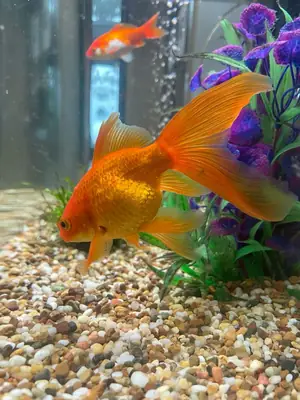
The goldfish (Carassius auratus) is a freshwater fish originating from East Asia, particularly China, where it was first domesticated over a thousand years ago. Goldfish are a member of the Cyprinidae family and are known for their distinctive colors and diverse forms. They can vary significantly in size depending on the variety, typically ranging from 15 cm to 30 cm (6 to 12 inches) in length, although some can grow larger in optimal conditions.
Goldfish exhibit a wide range of body shapes and fin types, from the classic single-tailed Comet to the more elaborate double-tailed Fantail. Their lifespan can extend from 10 to 20 years, with proper care, sometimes even reaching over 30 years. They are often mistaken for koi, but goldfish are generally smaller and have different body shapes and coloration patterns.
| Trait | Typical Value | Why it Matters |
|---|---|---|
| Origin | China | Understanding origin helps appreciate their historical breeding. |
| Size | 15-30 cm | Size impacts space requirements in aquariums. |
| Lifespan | 10-20 years | Long lifespan indicates a long-term commitment. |
| Coat Varieties | Single and double-tailed | Varieties affect swimming behavior and care needs. |
2. Temperament & Instincts
Goldfish are generally peaceful creatures that thrive in social environments. They exhibit a curious nature, often exploring their surroundings and interacting with their tank mates. This sociability makes them suitable for community tanks, provided that other fish are not aggressive or too small to be considered prey.
Historically bred in ponds, goldfish have retained some instincts that align with their origins. They are foragers, continuously searching for food, which can sometimes lead to digging up plants within the aquarium. Goldfish are not aggressive but may compete for food, so it's important to ensure all individuals are fed adequately.
3. Daily Activity / Exercise Needs
While goldfish don't require exercise in the same way terrestrial pets do, they benefit from an environment that promotes natural behaviors. This includes adequate swimming space and enrichment activities like live plants and varied substrates.
| Life Stage | Target | Notes |
|---|---|---|
| Juvenile | Active Foraging | Provide varied environments to explore. |
| Adult | Consistent Swimming | Maintain ample space for health and growth. |
| Senior | Gentle Exploration | Monitor for reduced activity and health changes. |
4. Purchase/Adoption Price Framework
The cost of goldfish can vary widely based on the type and quality. Basic common goldfish may be quite affordable, while rare varieties like the Ranchu or Oranda can command higher prices. Adoption fees from shelters or rescue organizations are typically lower.
| Quality/Type | Price Range (USD) | Notes |
|---|---|---|
| Common Goldfish | $1 - $10 | Basic varieties are budget-friendly. |
| Fancy Varieties | $15 - $300+ | Rarer types can be more costly. |
| Adoption | $5 - $30 | Lower costs through rescues or shelters. |
5. First-Year Setup + Monthly Running Cost
Setting up a suitable environment for goldfish requires an upfront investment in a tank, filtration, and other essentials. Monthly running costs include food, water treatments, and occasional health checks.
| Expense | Cost (USD) | Notes |
|---|---|---|
| Aquarium Setup | $100 - $500 | Includes tank, filter, and decor. |
| Monthly Food | $5 - $20 | Varied diet for health. |
| Water Treatments | $5 - $15 | Ensures water quality. |
| Annual Vet Visit | $50 - $100 | Health check and advice. |
| Total First-Year Cost | $200 - $800+ | Includes initial setup and ongoing care. |
6. Nutrition by Life Stage
Goldfish have different nutritional needs at various life stages, requiring a balanced diet to promote growth and health.
| Life Stage | Diet | Notes |
|---|---|---|
| Juvenile | High Protein | Supports rapid growth. |
| Adult | Balanced Diet | Includes flakes, pellets, and vegetables. |
| Senior | Easy-to-Digest | Focus on softer foods. |
7. Grooming / Coat & Hygiene Care
Goldfish do not require traditional grooming but maintaining their environment is crucial. Regular tank cleaning and water changes are essential to prevent disease and ensure a healthy habitat. Goldfish produce a significant amount of waste, necessitating efficient filtration systems.
8. Health
Goldfish are susceptible to several health issues, often related to poor water quality or inadequate nutrition. Common conditions include swim bladder disorder, ich (white spot disease), and fin rot. Regular water testing and prompt treatment of any symptoms can prevent severe outcomes.
- Swim Bladder Disorder: Affects buoyancy, often due to diet or infection.
- Ich: Parasite causing white spots on scales.
- Fin Rot: Bacterial infection, typically due to poor water conditions.
Veterinary costs for goldfish health issues can vary, with treatments ranging from $20 to $100 depending on the severity and required intervention.
9. Training / Behaviour Priorities
While traditional training is not applicable to goldfish, ensuring they have a stimulating environment is key. Providing diverse habitats with plants and objects allows for natural behaviors and reduces stress. Observing feeding times can also create a schedule that goldfish will respond to.
10. Home Environment Fit
Goldfish require a spacious aquarium with adequate filtration. A common misconception is that they can thrive in bowls; however, such environments are detrimental to their health. A minimum of 20 gallons per goldfish is recommended. They can coexist with other non-aggressive fish species but should not be mixed with tropical fish due to differing temperature needs.
11. Lifestyle Fit Matrix
| Lifestyle | Fit Verdict | Reason |
|---|---|---|
| Busy Professionals | Moderate | Low maintenance but requires regular feeding and cleaning. |
| Families with Children | High | Educational and visually appealing for children. |
| Aquarium Enthusiasts | High | Complex varieties provide interest and challenge. |
| Minimalist Lifestyle | Low | Requires space and equipment. |
12. Breeder / Shelter / Adoption Checklist
- Ensure fish are healthy and active.
- Check for clear eyes and smooth scales.
- Ask about feeding habits and diet.
- Confirm tank requirements from the seller.
- Inquire about any previous health issues.
- Verify the seller's reputation and reviews.
13. FAQ
Do goldfish need a heater?
Goldfish are cold-water fish and do not require a heater. They thrive in temperatures between 18-22°C (64-72°F), making them suitable for room-temperature aquariums. However, sudden temperature changes should be avoided.
How often should I feed my goldfish?
Goldfish should be fed once or twice daily, offering only as much food as they can consume in a few minutes. Overfeeding can lead to water quality issues and health problems.
Can goldfish live with other fish?
Goldfish can live with other cold-water fish species that are non-aggressive. Suitable companions include certain types of tetras and danios. Avoid housing them with tropical fish due to different temperature requirements.
What size tank do goldfish need?
Goldfish require a minimum of 20 gallons per fish to ensure they have enough space to grow and maintain health. Larger tanks are preferable as goldfish can grow quite large over time.
14. Closing Verdict: Who Should Adopt a Goldfish?
Goldfish are ideal for those who appreciate the tranquility of an aquarium and are willing to commit to regular maintenance. They suit families, hobbyists, and even first-time fish owners who can provide the necessary care. However, they are not suitable for those seeking a low-maintenance pet, as their needs for space, clean water, and a balanced diet are specific and must be met diligently.