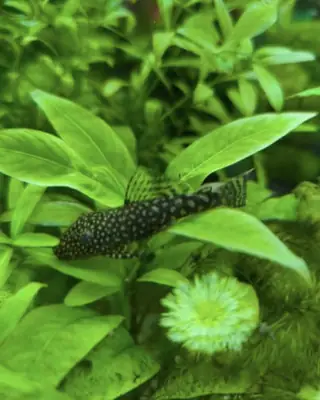
Pleco Fish 2026: Comprehensive Guide to Temperament, Cost & Health
The Pleco fish, known for its algae-eating capabilities, is a fascinating addition to any aquarium. This guide dives into the specifics of their care needs and common health concerns, ensuring potential owners are well-prepared.
1. Breed identity & standards
Pleco fish, scientifically recognized as members of the Loricariidae family, are native to the fast-flowing rivers of South America. Known for their distinctive armored appearance, they typically grow between 15 to 60 cm in length, depending on the species. Plecos have a lifespan ranging from 10 to 15 years under optimal conditions. Their appearance is often confused with other bottom-dwelling species like the Otocinclus, but Plecos are generally larger and more robust.
| Trait | Typical Value | Why it Matters |
|---|---|---|
| Origin Country | South America | Understanding habitat helps in mimicking conditions in captivity. |
| Size | 15-60 cm | Size affects tank requirements and compatibility with other fish. |
| Coat | Armored scales | Provides protection and influences water quality needs. |
| Lifespan | 10-15 years | Longevity requires long-term commitment from owners. |
2. Temperament & instincts
Pleco fish are generally peaceful and non-aggressive, making them excellent tank mates for a variety of other fish species. Their natural behavior includes scavenging for food at the bottom of the tank, primarily feeding on algae. This instinctual grazing helps maintain the cleanliness of the aquarium. However, Plecos can become territorial if the tank is overcrowded or if they feel threatened, so providing ample space and hiding spots is crucial.
These fish are nocturnal by nature, preferring to be more active during the night. This behavior is a remnant of their origins in the wild, where they would avoid predators. Owners may notice that Plecos spend much of the daylight hours resting or hiding. Their activity patterns necessitate a tank setup that accommodates their nocturnal lifestyle, with low lighting and plenty of places to hide.
3. Daily activity / exercise needs by life stage
| Life Stage | Target | Notes |
|---|---|---|
| Juvenile | Active exploration | Requires a varied diet to support growth. |
| Adult | Moderate activity | Ensure tank is large enough to prevent territorial disputes. |
| Senior | Reduced activity | Monitor health closely as they age. |
4. Purchase/adoption price framework
| Type | Price Range (USD & GBP) | Details |
|---|---|---|
| Common Pleco | $10-$30 / £8-£24 | Widely available, inexpensive. |
| Fancy Varieties | $50-$200+ / £40-£160+ | Includes rare color morphs and patterns. |
| Rescue/Adoption | $5-$15 / £4-£12 | Lower cost, ideal for non-specific breed preferences. |
5. First-year setup + monthly running cost
| Item | Cost Range (USD & GBP) | Details |
|---|---|---|
| Tank & Setup | $100-$500 / £80-£400 | Includes tank, filter, heater, and decor. |
| Initial Stocking | $30-$100 / £24-£80 | Fish, plants, and substrate. |
| Monthly Maintenance | $20-$50 / £16-£40 | Food, water treatments, and electricity. |
| Yearly Total | $380-$1,200 / £304-£960 | Initial setup plus ongoing costs. |
6. Nutrition by life stage
| Life Stage | Dietary Needs | Notes |
|---|---|---|
| Juvenile | High protein diet | Supplements like brine shrimp are beneficial. |
| Adult | Balanced diet with algae | Include vegetables and sinking pellets. |
| Senior | Low protein, high fiber | Monitor intake to prevent obesity. |
7. Grooming / coat & hygiene care
Pleco fish require minimal grooming due to their armored scales, which naturally repel parasites and dirt. However, maintaining optimal water quality is crucial for their health. Regular water changes and proper filtration are essential to prevent the buildup of harmful ammonia and nitrates. Plecos are known to produce a substantial amount of waste, so an efficient filtration system is a must.
In terms of hygiene, Plecos benefit from having a clean substrate and plenty of hiding spaces to reduce stress. Owners should also ensure that the tank is free from sharp objects that could damage their sensitive barbels. Regular monitoring of the tank's pH level, ideally between 6.5 and 7.5, helps maintain a healthy environment for these fish.
8. Health
- Ichthyophthirius multifiliis (Ich): Common in Plecos if water quality is poor. Look for white spots on the body.
- Fin Rot: Caused by bacterial infections due to unclean water.
- Swim Bladder Disorder: Can occur from overfeeding or bacterial infections.
Ethical breeders and retailers should provide information about the health history of their fish. Routine veterinary checks, though not common for fish, can be conducted if any unusual behavior or symptoms are observed. Treatment costs for common conditions can range from $20 to $100 / £16 to £80 depending on severity and treatment required.
9. Training / behaviour priorities
Pleco fish are not trainable in the traditional sense, but their environment can be managed to encourage desired behaviors. Providing a variety of foods and ensuring a clean habitat can help reduce stress-related behaviors. Owners should focus on maintaining a stable aquatic environment, as Plecos are sensitive to changes in water parameters.
It's important to introduce Plecos to a tank that is already well-established, with stable biological filtration. This helps them adjust more quickly and reduces the risk of stress-related illnesses. Regular observation for changes in behavior or physical appearance can alert owners to potential issues early on.
10. Home environment fit
Plecos require a spacious tank, ideally at least 75 gallons, to accommodate their size and waste production. This makes them less suitable for small apartments or homes with limited space. They thrive in tanks with stable conditions and plenty of hiding spots, such as caves or dense plant arrangements.
While generally peaceful, Plecos can be territorial towards other bottom-dwellers if space is limited. They are compatible with a wide range of community fish, provided those fish are not small enough to be seen as food. Caution is advised when housing Plecos with other large, territorial fish unless the tank is sufficiently large.
11. Lifestyle fit matrix
| Lifestyle | Fit Verdict | Reason |
|---|---|---|
| Busy Professional | Moderate | Low maintenance but requires initial setup time. |
| Family with Kids | High | Educational and peaceful, ideal for family aquariums. |
| Apartment Dweller | Low | Requires large tank, which may limit space in small apartments. |
| Fish Enthusiast | High | Offers a rewarding experience with proper care and setup. |
12. Breeder / shelter / adoption checklist
- Ensure the tank setup is suitable for Pleco fish, with ample space and hiding spots.
- Check for visible signs of health issues such as Ich or fin rot.
- Verify the water parameters of the current tank to ensure compatibility with your setup.
- Ask about the fish's diet and any specific feeding requirements.
- Confirm the Pleco's size and age to ensure they fit your tank's capability.
- Inquire about the fish's history and previous living conditions.
13. FAQ
What is the ideal tank size for a Pleco fish?
Pleco fish require a spacious tank, with a minimum of 75 gallons recommended for adults. This allows them enough room to move freely and reduces territorial behavior.
Are Pleco fish easy to care for?
While Pleco fish are relatively low maintenance, they have specific needs such as a large tank and stable water conditions. Regular tank cleaning and monitoring are essential.
Can Pleco fish live with other fish?
Yes, Pleco fish can coexist with a variety of community fish. However, they should not be housed with overly aggressive species or fish small enough to be seen as prey.
Do Pleco fish need a special diet?
Pleco fish benefit from a varied diet that includes algae, vegetables, and sinking pellets. Juveniles may require additional protein sources like brine shrimp to support growth.
14. 2026 note & closing verdict
As of 2026, Pleco fish continue to be a popular choice for aquarists due to their unique appearance and algae-eating capabilities. They are best suited for those with the space and resources to provide a proper aquatic environment. Potential owners who enjoy maintaining a large aquarium will find Plecos a rewarding addition, while those with limited space or time might consider other species.