Cockatoo 2026: Temperament, Health Insights, and Adoption Costs
Renowned for their vibrant personalities and striking plumage, cockatoos are a captivating choice for bird enthusiasts. As intelligent and social creatures, they require specific care and consideration. This guide delves into what makes cockatoos unique, covering everything from their temperament to potential health concerns.
1. Breed Identity & Standards
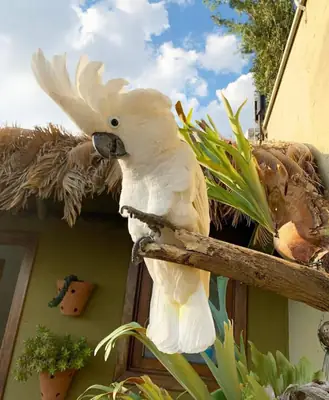
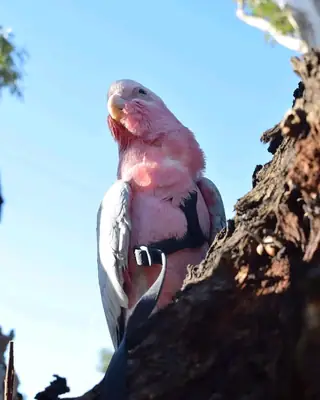
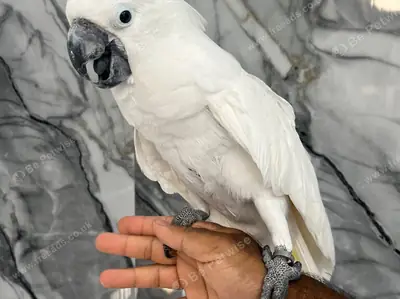
Cockatoos are a diverse group of parrots originating from Australia, Indonesia, and nearby islands. They are known for their expressive crests and predominantly white, black, or pink plumage. Adult cockatoos typically range in size from 30 to 70 cm (12 to 28 inches) in length and weigh between 300 to 1000 grams. Their lifespan can extend from 40 to 70 years, making them a long-term companion.
| Trait | Typical Value | Why it Matters |
|---|---|---|
| Size | 30-70 cm | Influences space & cage requirements |
| Weight | 300-1000 grams | Affects dietary needs |
| Lifespan | 40-70 years | Long-term care commitment |
| Coat Varieties | White, black, pink | Distinctive appearance |
2. Temperament & Instincts
Cockatoos are highly social birds with a strong need for interaction. Their historical role in the wild as part of large flocks translates to a dependence on companionship in captivity. Known for their intelligence and playful behavior, cockatoos can be both delightful and demanding pets. They are prone to loud vocalizations and require mental stimulation to prevent boredom, which can lead to destructive behavior.
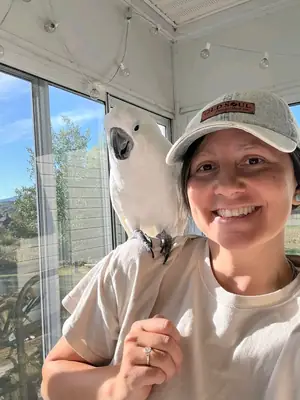
These birds have a significant social drive and often form strong bonds with their human companions. However, this can also result in separation anxiety if left alone for extended periods. Potential adopters should consider their ability to meet the cockatoo's social needs and provide regular interaction.
3. Daily Activity / Enrichment Needs by Life Stage
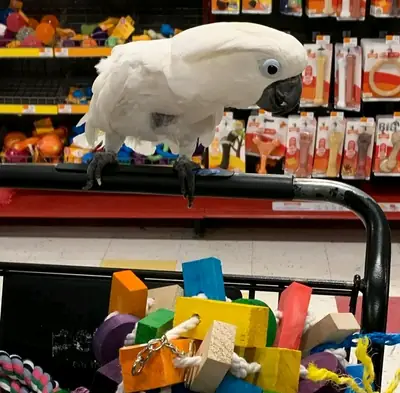
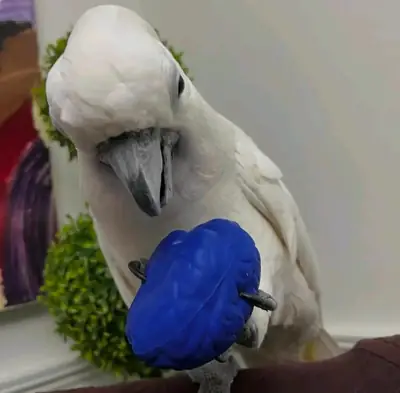
Enrichment is crucial for cockatoos at all life stages. Providing a variety of toys and activities can help maintain their mental health.
| Life Stage | Target | Notes |
|---|---|---|
| Juvenile | 2-4 hours play | Encourages learning and socialization |
| Adult | 3-5 hours play | Prevents boredom and behavioral issues |
| Senior | 2-3 hours play | Maintains cognitive health |
4. Purchase/Adoption Price Framework
The cost of adopting a cockatoo can vary widely depending on the species, age, and source. Here are typical price ranges in the United States and the United Kingdom.
| Region | Price Range | Notes |
|---|---|---|
| United States | $1,000 - $4,000+ | Rare species and young birds at the higher end |
| United Kingdom | £800 - £3,000+ | Includes health checks and basic supplies |
5. First-Year Setup + Monthly Running Cost
Initial setup costs for a cockatoo can be significant, but ongoing monthly expenses should also be considered.
| Item | Cost Range (USD) | Notes |
|---|---|---|
| Cage & Accessories | $500 - $1,000 | Spacious cage required |
| Initial Vet Visit | $200 - $300 | Includes health screening |
| Monthly Food & Toys | $50 - $100 | Variety needed for enrichment |
| Annual Total | $1,200 - $2,400 | Overall care costs |
6. Nutrition by Life Stage
Cockatoos require a balanced diet tailored to their life stage to ensure optimal health.
| Life Stage | Diet | Notes |
|---|---|---|
| Juvenile | Pellets, fruits, and vegetables | High nutritional needs |
| Adult | Pellets, seeds, fruits, vegetables | Balanced diet and treats |
| Senior | Pellets, soft fruits, vegetables | Adjusted for ease of digestion |
7. Grooming / Coat & Hygiene Care
Cockatoos are known for their beautiful plumage, which requires regular maintenance. Bathing or misting your cockatoo helps keep their feathers clean and in good condition. Beak and nail care are also essential, as overgrown nails can cause discomfort or injury. Providing opportunities for natural wear through toys and perches can help manage this.
Regular veterinary check-ups are vital to monitor feather health and address any issues such as feather plucking, which can be a sign of stress or illness.
8. Health
Cockatoos are generally robust but are prone to certain health conditions. Ethical breeders and reputable shelters should provide health screenings and information on potential genetic issues.
- Psittacine Beak and Feather Disease (PBFD)
- Fatty Liver Disease
- Psittacosis
- Aspergillosis
- Feather Plucking
Regular veterinary care is vital, with costs potentially ranging from $100 to $500 annually, depending on the treatments and check-ups required.
9. Training / Behaviour Priorities
Cockatoos benefit greatly from consistent training and socialization. Focus should be placed on teaching basic commands and reinforcing positive behaviors. Given their intelligence, cockatoos thrive with puzzle toys and interactive play that challenges their minds.
It's crucial to address any undesirable behaviors early on to prevent them from becoming ingrained. This includes managing noise levels and reducing the risk of biting through positive reinforcement techniques.
10. Home Environment Fit
Cockatoos can adapt to various living situations but thrive in environments that provide ample space and stimulation. Apartment living is possible if noise levels are managed and neighbors are tolerant of occasional vocalizations. A dedicated room or large cage is essential to provide the space they need to move and play.
They generally get along well with other birds and pets if properly introduced. However, supervision is recommended during interactions to ensure safety for all involved.
11. Lifestyle Fit Matrix
| Lifestyle | Fit Verdict | Reason |
|---|---|---|
| Busy Professional | Poor | High social needs |
| Family with Children | Good | Interactive play opportunities |
| Retiree | Excellent | Ample time for bonding |
| Apartment Dweller | Fair | Noise considerations |
12. Breeder / Shelter / Adoption Checklist
- Verify health screenings for genetic diseases.
- Ensure the bird has been socialized and handled regularly.
- Check the condition of the beak, feathers, and nails.
- Request veterinary records and recent health check information.
- Inquire about the bird's diet and feeding schedule.
- Observe the bird's behavior in its current environment.
13. FAQ
Do cockatoos make good pets for beginners?
While cockatoos are intelligent and engaging, they may not be the best choice for first-time bird owners due to their complex care needs and social requirements. Potential owners should be prepared for a long-term commitment.
How loud are cockatoos?
Cockatoos are known for their loud calls, which they use to communicate. This can be challenging for apartment living and may require training to manage appropriately. Soundproofing can help mitigate noise issues.
What should I feed my cockatoo?
A balanced diet for a cockatoo includes high-quality pellets, a variety of fruits and vegetables, and occasional seeds as treats. Fresh water should always be available, and dietary needs may change with age and health status.
How can I tell if my cockatoo is healthy?
Signs of a healthy cockatoo include bright eyes, clean feathers, an active demeanor, and a robust appetite. Regular veterinary check-ups are important to catch potential issues early.
14. 2026 Trends & Closing Verdict
In 2026, the popularity of cockatoos as companion pets continues to rise, driven by their engaging personalities and striking appearance. However, their complex care requirements mean they are best suited to owners who can dedicate time and resources to their wellbeing.
Who should adopt a cockatoo: Experienced bird enthusiasts or those willing to invest in understanding their needs. Who should not adopt a cockatoo: Individuals with limited time or those intolerant of noise.