Kakapo 2026: Unique Temperament, Health Concerns & Adoption Insights
The Kakapo, a striking parrot native to New Zealand, is renowned for its distinctive nocturnal habits and remarkable life span, which can reach up to 60 years. As a flightless bird with a rich evolutionary history, the Kakapo presents unique challenges and rewards for those considering adoption.
1. Breed Identity & Standards
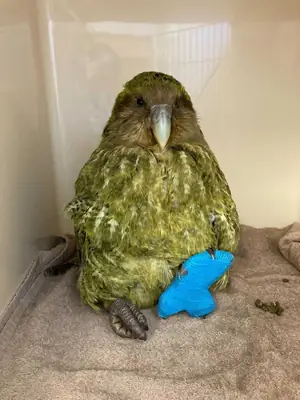
The Kakapo, or Strigops habroptilus, is a large, nocturnal parrot endemic to New Zealand. Known for its striking green and yellow plumage, it has a robust body and a distinctive owl-like face. This parrot can weigh between 2 and 4 kilograms and typically measures up to 64 centimeters in length. Unlike most parrots, the Kakapo is flightless, using its wings primarily for balance and support.
| Trait | Typical Value | Why it Matters |
|---|---|---|
| Origin Country | New Zealand | Indicates its unique evolutionary adaptations |
| Weight | 2–4 kg | Heavier than most parrots, affecting mobility |
| Length | Up to 64 cm | Reflects its substantial size compared to other parrots |
| Coat | Green and yellow plumage | Camouflage in the forest environment |
| Lifespan | 40–60 years | Long commitment for potential adopters |
2. Temperament & Instincts
The Kakapo is a solitary and nocturnal creature, reflecting its adaptation to a predator-free environment in New Zealand. Known for its gentle demeanor, the Kakapo is not aggressive but can exhibit strong curiosity. During the breeding season, males engage in unique lekking behavior, congregating in areas to call females with a low-frequency booming sound that can carry over long distances.
Despite its solitary nature, the Kakapo can form bonds with humans, especially those involved in conservation efforts. It is generally silent but can produce a range of sounds, including chinging and booming during mating calls. The Kakapo's inquisitive nature makes it a fascinating companion, but its nocturnal habits mean it is most active at night, which adopters should consider.
3. Daily Activity / Enrichment Needs by Life Stage
As a species that thrives in natural environments, providing adequate enrichment and simulated natural activity is crucial for a Kakapo's well-being.
| Life Stage | Enrichment Target | Notes |
|---|---|---|
| Juvenile | 3–4 hours | Exploratory play to develop sensory and motor skills |
| Adult | 2–3 hours | Focus on foraging and problem-solving |
| Senior | 1–2 hours | Gentle activities to maintain mobility |
4. Purchase / Adoption Price Framework
Given the Kakapo's endangered status, adoption is typically facilitated through conservation programs rather than traditional pet markets. Costs associated with Kakapo conservation and adoption can vary significantly based on the program and region.
| Region | Cost Range (USD) | Notes |
|---|---|---|
| New Zealand | $5000–$10000 | Includes conservation support and care provisions |
| International | $10000+ | Subject to strict wildlife regulations and permits |
5. First-Year Setup + Monthly Running Cost
Adopting a Kakapo involves significant initial and ongoing costs, reflecting the specialized care required for this unique parrot.
| Item | Cost (USD) | Notes |
|---|---|---|
| Initial Habitat Setup | $2000–$4000 | Includes large enclosure with naturalistic features |
| Annual Veterinary Care | $500–$1000 | Regular health checks and specialized care |
| Monthly Food | $100–$200 | Specialized diet to mimic natural foods |
| Enrichment Supplies | $50–$100 | Includes toys and foraging items |
6. Nutrition by Life Stage
The Kakapo diet must be carefully managed to replicate its natural intake, focusing on native fruits, seeds, and vegetation.
| Life Stage | Dietary Needs | Notes |
|---|---|---|
| Juvenile | High protein, varied plant matter | Supports growth and development |
| Adult | Balanced diet of seeds and fruits | Maintains energy levels and health |
| Senior | Low-fat, easily digestible foods | Prevents obesity and maintains health |
7. Grooming / Coat & Hygiene Care
While Kakapos do not require grooming in the traditional sense, maintaining their natural oils and plumage quality is essential. Regular vet visits can help monitor their feather condition and overall health. Additionally, providing appropriate environmental conditions, such as humidity levels similar to their native habitat, supports healthy plumage.
8. Health
Kakapos face several health challenges, many of which are exacerbated by their limited genetic diversity. Conservation efforts focus on addressing these issues through careful management and health monitoring.
- Psittacine Beak and Feather Disease (PBFD)
- Respiratory infections
- Obesity-related issues
- Reproductive challenges
Veterinary costs can vary, but expect to budget for regular health screenings and any necessary interventions, which can range from $200 to $500 per visit.
9. Training / Behaviour Priorities
Training a Kakapo involves enriching its environment and encouraging natural behaviors like foraging. Positive reinforcement techniques are vital, focusing on rewards for exploration and interaction. Due to their intelligent nature, Kakapos can learn to respond to cues and engage in basic problem-solving activities.
10. Home Environment Fit
As a flightless and nocturnal bird, the Kakapo requires a specialized home environment that mimics its natural habitat. This includes a large, secure enclosure with ample space to explore and forage. Due to their size and unique needs, Kakapos are not suitable for apartments or homes with limited outdoor space. They are best suited to environments where they can freely engage in natural behaviors without risk.
11. Lifestyle Fit Matrix
| Lifestyle | Fit Verdict | Reason |
|---|---|---|
| Active, Outdoor Enthusiast | Moderate | Can provide enriched outdoor habitat |
| Urban Dweller | Poor | Lacks suitable space and environment |
| Wildlife Conservation Supporter | Excellent | Aligns with conservation goals |
| Family with Young Children | Low | Requires calm and stable environment |
12. Breeder / Shelter / Adoption Checklist
- Verify conservation program credentials
- Assess the bird's health history
- Understand the legal requirements for ownership
- Ensure suitable habitat is available
- Commit to ongoing support and vet care
- Participate in educational programs about Kakapo care
13. FAQ
How long can a Kakapo live?
The Kakapo can live between 40 and 60 years, making it one of the longest-living bird species. This longevity requires a long-term commitment from adopters.
Can Kakapos fly?
No, Kakapos are flightless. They have evolved to be ground-dwellers, using their wings for balance and support rather than flight.
Are Kakapos friendly pets?
Kakapos can form bonds with humans but are not traditional pets. They require specialized care and a commitment to conservation efforts.
What do Kakapos eat?
Kakapos primarily eat native fruits, seeds, and vegetation. Their diet must be carefully managed to replicate their natural food sources.
What are the main health concerns for Kakapos?
Kakapos are prone to Psittacine Beak and Feather Disease, respiratory infections, and obesity-related issues. Regular veterinary care is essential to manage these risks.
14. Final Note and Verdict
In 2026, the Kakapo remains a symbol of conservation success and challenge. While their unique characteristics make them fascinating, they are best suited to individuals deeply committed to wildlife conservation and able to provide the specialized care required. Prospective adopters should carefully consider their ability to meet the Kakapo's needs and support ongoing conservation efforts.