Lovebird Guide 2026: Temperament, Health, and Budget for First-Time Owners
Lovebirds, known for their vibrant colors and playful nature, are a captivating choice for bird enthusiasts. With an average lifespan of 10 to 15 years, they require specific care to thrive. This comprehensive guide explores their characteristics, health needs, and costs, making it an essential read for prospective adopters.
1. Breed Identity & Standards
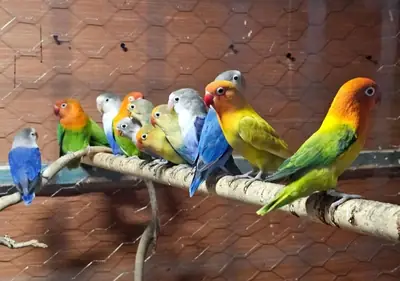
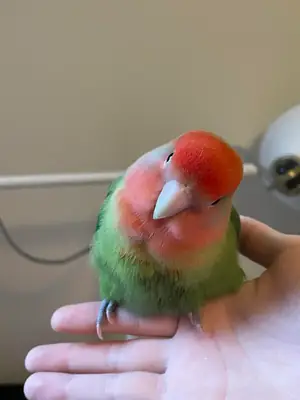
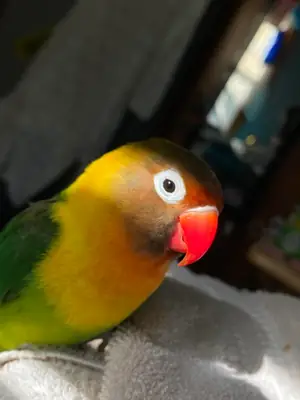
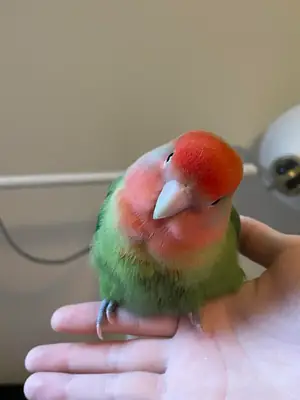
Lovebirds, scientifically part of the genus Agapornis, originate from Africa and Madagascar. They are small, stocky parrots, typically measuring 13 to 17 cm in length and weighing between 40 and 60 grams. Their plumage is predominantly green, with variations including peach-faced, masked, and Fischer's lovebirds. The lifespan ranges from 10 to 15 years, depending on care and genetics. Often confused with budgerigars, lovebirds are distinct in their more robust build and strong pair bonding behavior.
| Trait | Typical Value | Why it matters |
|---|---|---|
| Length | 13-17 cm | Compact size suits small spaces |
| Weight | 40-60 grams | Lightweight, easy to handle |
| Lifespan | 10-15 years | Long-term commitment |
2. Temperament & Instincts
Lovebirds are known for their affectionate and social nature, often forming strong bonds with their human companions. This behavior stems from their natural inclination to pair bond, which is a significant aspect of their social structure in the wild. They can be quite vocal, expressing themselves with a range of chirps and whistles. Their active and curious demeanor requires mental stimulation to prevent boredom, making interactive toys and human interaction essential.
Although lovebirds are generally friendly, their assertive personality can sometimes manifest as territoriality, especially during breeding season. They enjoy exploring their environment and can exhibit a high energy level. Early socialization can help mitigate potential aggression, ensuring a well-adjusted pet that interacts harmoniously with its surroundings.
3. Daily Activity / Exercise Needs by Life Stage
Lovebirds are lively creatures that require regular mental and physical stimulation to maintain their health and happiness. Engaging them in daily activities is crucial for their well-being.
| Life Stage | Target | Notes |
|---|---|---|
| Juvenile | 2-3 hours of play | Encourage exploration and safe interaction |
| Adult | 1-2 hours of flight time outside cage | Supervised to ensure safety |
| Senior | 1 hour of gentle activity | Adapt play to physical capabilities |
4. Purchase/Adoption Price Framework
The cost of acquiring a lovebird can vary widely depending on factors such as coloration and breeding.
| Source | Price Range (USD) | Notes |
|---|---|---|
| Breeder | $50-$200+ | Rare colors may cost more |
| Rescue/Adoption | $20-$75 | Includes some initial care |
| Pet Store | $40-$150 | Varies by location |
5. First-Year Setup + Monthly Running Cost
Owning a lovebird involves both initial setup costs and ongoing expenses to ensure their well-being.
| Item | Cost (USD) | Notes |
|---|---|---|
| Cage & Accessories | $100-$300 | Initial setup for safety and comfort |
| Food | $10-$30/month | Quality seed mix and fresh produce |
| Vet check-up | $50-$150/year | Annual health assessment |
| Toys | $5-$20/month | For mental stimulation |
Total first-year cost: $500-$1000
6. Nutrition by Life Stage
Providing a balanced diet is vital for the health and longevity of lovebirds.
| Life Stage | Diet | Notes |
|---|---|---|
| Juvenile | Pellets with fresh fruits/vegetables | Introduce variety early |
| Adult | Pellets, seeds, and fresh produce | Maintain balanced nutrition |
| Senior | Softened food as needed | Adjust for ease of eating |
7. Grooming / Coat & Hygiene Care
Lovebirds require minimal grooming but benefit from regular hygiene practices. Their feathers are naturally sleek and self-maintained, but they appreciate occasional misting or baths to aid in feather condition and cleanliness. Regular nail trimming is necessary to prevent overgrowth, which can impede perching and movement. Additionally, providing cuttlebones or mineral blocks helps maintain beak health.
8. Health
While robust, lovebirds are prone to certain health issues that owners should be aware of. Ethical breeders and shelters will often screen for these conditions.
- Psittacine Beak and Feather Disease (PBFD): A viral condition affecting feather and beak health. Seek veterinary advice if symptoms appear.
- Chlamydiosis: A bacterial infection that can affect respiratory health. Regular check-ups can help early detection.
- Feather Plucking: Often a behavioral issue linked to stress or boredom. Providing adequate mental stimulation can mitigate this.
Routine veterinary care can help manage these risks, with costs ranging from $50 to $150 per visit.
9. Training / Behaviour Priorities
For lovebirds, training focuses on socialization and interaction. Encouraging gentle handling from a young age helps foster trust and reduces fear-based behaviors. Teaching them to step up onto a finger or perch can be beneficial for handling and bonding. As they are social animals, consistent interaction is necessary to prevent loneliness and potential behavioral issues.
10. Home Environment Fit
Lovebirds can adapt to various living environments, including apartments, provided they have enough space for a suitably sized cage and regular out-of-cage exercise. They thrive in social settings and can coexist with other birds, though caution should be taken with different species due to their assertive nature. While generally good with children, supervision is advised to ensure gentle handling.
11. Lifestyle Fit Matrix
| Lifestyle | Fit Verdict | Reason |
|---|---|---|
| Busy professional | Moderate | Requires daily interaction |
| Family with children | Good | Interactive and social pet |
| Single apartment dweller | Good | Compact size and lively |
| Frequent traveler | Poor | Needs consistent care |
12. Breeder / Shelter / Adoption Checklist
- Check for signs of health issues like PBFD or feather plucking.
- Ensure the bird is socialized and accustomed to handling.
- Inquire about any vaccinations or health screenings.
- Ask about the bird's diet and feeding schedule.
- Observe the living conditions of the bird before adoption.
- Verify the bird's age and any previous medical history.
13. FAQ
Are lovebirds good pets for first-time bird owners?
Yes, lovebirds can be great for first-time owners due to their manageable size and social nature. However, they require daily interaction and proper care to thrive.
Do lovebirds require a companion?
While not strictly necessary, having a companion can prevent loneliness. If kept alone, they need significant human interaction to stay happy.
How often should a lovebird's cage be cleaned?
It's advisable to clean the cage weekly and perform spot cleaning daily to maintain hygiene and prevent odors.
Can lovebirds talk?
Unlike larger parrots, lovebirds are not known for their talking ability. They do, however, communicate through a variety of sounds and are quite vocal.
14. Closing Verdict: Is a Lovebird Right for You?
Lovebirds offer vibrant companionship and are well-suited to those who can commit to their social needs and care requirements. Prospective owners should ensure they have the time and resources to provide a stimulating environment. If you're ready for the responsibility, a lovebird can be a delightful addition to your home.