Quaker Parrot 2026: Temperament, Health, and Adoption Costs Explained
The Quaker Parrot, also known as the Monk Parakeet, is a small yet charismatic bird known for its vibrant personality and unique nesting habits. Originally from South America, these parrots are intelligent, social, and capable talkers, making them popular companions. However, potential adopters should be aware of their specific care needs and health concerns.
1. Breed Identity & Standards
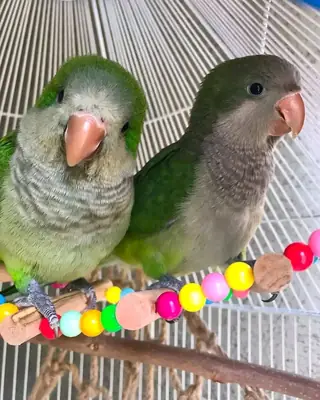
The Quaker Parrot, originating from Argentina and surrounding countries, is known for its distinctive green plumage and greyish breast. They are medium-sized parrots, typically measuring about 29 cm (11 inches) in length and weighing between 90 to 120 grams. Quaker Parrots can live up to 20 to 30 years with proper care. Their unique nesting behavior, building communal nests from sticks, distinguishes them from other parrot species.
| Trait | Typical Value | Why it Matters |
|---|---|---|
| Origin | South America | Understanding regional climates can aid in habitat replication. |
| Size | 29 cm, 90-120 g | Medium size is manageable for most homes. |
| Lifespan | 20-30 years | Long-term commitment required. |
| Coat | Green with grey breast | Distinct appearance aids in identification. |
2. Temperament & Instincts
The Quaker Parrot is renowned for its lively and social nature. These birds are highly vocal, often mimicking human speech and environmental sounds with remarkable clarity. Their intelligence and curiosity make them quick learners, eager to interact with their surroundings and human companions. However, this same curiosity can lead them into mischief if not provided with adequate stimulation and toys.
Quaker Parrots are known for their loyalty and can become quite attached to their owners, often forming strong bonds. This 'velcro' tendency means they thrive on frequent interaction and can become distressed if left alone for extended periods. They also exhibit a strong nesting instinct, which is reflected in their unique communal nesting behavior in the wild. This instinct can translate into domestic settings, where they may collect materials to build nests around their cage or play area.
3. Daily Activity / Exercise Needs by Life Stage
Quaker Parrots require a variety of physical and mental activities to keep them healthy and engaged. Their exercise needs change as they age, but consistent interaction is a must throughout their lives.
| Life Stage | Target | Notes |
|---|---|---|
| Juvenile | 2-3 hours/day | Encourage play with various toys and supervised flying. |
| Adult | 1-2 hours/day | Include training sessions and interactive play. |
| Senior | 1 hour/day | Focus on low-impact activities to maintain mobility. |
4. Purchase/Adoption Price Framework
The cost of adopting or purchasing a Quaker Parrot can vary widely based on the bird's age, health, and the source from which it is acquired.
| Source | Price Range (USD) | Notes |
|---|---|---|
| Breeder | $250 - $600 | Higher price often includes health checks and pedigree. |
| Rescue/Adoption | $50 - $200 | Lower cost; may come with some behavioral history. |
| Pet Store | $300 - $500 | Prices vary; ensure ethical sourcing. |
5. First-Year Setup + Monthly Running Cost
Owning a Quaker Parrot involves initial setup costs and ongoing expenses. Here's a breakdown of what to expect in the first year and the monthly upkeep.
| Item | Cost Range (USD) | Details |
|---|---|---|
| Cage and Setup | $200 - $500 | Includes perches, toys, and feeding bowls. |
| Veterinary Checks | $100 - $250 | Initial health check and potential vaccinations. |
| Monthly Food | $20 - $40 | Quality pellet and fresh produce. |
| Monthly Toys/Enrichment | $10 - $30 | Variety of toys to prevent boredom. |
Total first-year cost: Approximately $600 - $1000
6. Nutrition by Life Stage
Proper nutrition is crucial for a Quaker Parrot's health and longevity. Their diet should be balanced and adjusted according to their life stage.
| Life Stage | Diet | Notes |
|---|---|---|
| Juvenile | High-calcium pellets | Supports bone growth and development. |
| Adult | Balanced pellets and fresh produce | Maintain variety for optimal health. |
| Senior | Lower protein, more fiber | Aids digestion and prevents obesity. |
7. Grooming / Coat & Hygiene Care
Quaker Parrots are relatively low-maintenance in terms of grooming. However, regular care is essential to keep them healthy and comfortable.
These parrots are known to be moderate shedders, and they enjoy regular baths or misting to keep their feathers in good condition. Nail trimming is necessary every few weeks to prevent overgrowth, which can lead to discomfort or injury. Additionally, providing cuttlebone or mineral blocks helps maintain their beak health.
8. Health
Quaker Parrots can be prone to certain health issues, and it's important for potential owners to be aware of these. Regular veterinary checkups are recommended to monitor their health and prevent common ailments.
- Psittacine Beak and Feather Disease (PBFD)
- Fatty Liver Disease
- Respiratory Infections
- Feather Plucking
Ethical breeders and shelters often test for these conditions or provide health guarantees. Veterinary costs can range from $50 for a basic checkup to $300 or more for specialized care.
9. Training / Behaviour Priorities
Training a Quaker Parrot requires patience and consistency. Due to their intelligence, they can learn a variety of tricks and commands, but they also need firm boundaries to prevent behavioral issues.
Socialization is key, as Quaker Parrots can become territorial or aggressive without proper training. Teaching them to step up, come when called, and discouraging excessive vocalization are important aspects of their training regimen. Positive reinforcement is highly effective with this breed.
10. Home Environment Fit
Quaker Parrots can adapt well to both apartment and house living, provided they receive enough interaction and enrichment. They are generally good with children but should be supervised around younger kids to ensure gentle handling.
While they can coexist with other birds, careful introductions are necessary, as Quaker Parrots can be territorial. They are not typically compatible with cats or dogs due to potential prey-predator dynamics. A calm, engaging environment suits them best.
11. Lifestyle Fit Matrix
| Lifestyle | Fit | Reason |
|---|---|---|
| Active Family | High | Loves interaction and can engage well with multiple members. |
| Single Professional | Moderate | Suitable with enough daily interaction and enrichment. |
| Retiree | High | Provides companionship and enjoys calm settings. |
| Frequent Traveler | Low | Requires daily care and attention, which may not suit a travel-heavy lifestyle. |
12. Breeder / Shelter / Adoption Checklist
- Verify the bird's age and health status.
- Check for recent veterinary examinations.
- Observe the bird's behavior and socialization level.
- Inquire about the bird's diet and any special needs.
- Ensure the bird is not sourced from illegal or unethical practices.
- Ask about the bird's history and reason for surrender (if applicable).
13. FAQ
Is the Quaker Parrot good for first-time bird owners?
Quaker Parrots can be suitable for first-time bird owners who are willing to invest time in training and socialization. They are intelligent and interactive but require consistent attention to prevent behavioral issues.
Do Quaker Parrots require a lot of space?
While they don't require vast spaces, Quaker Parrots do need a cage large enough for flight and daily out-of-cage time to explore and exercise. A cage size of at least 24x24 inches is recommended.
Can Quaker Parrots talk?
Yes, Quaker Parrots are known for their ability to mimic human speech. They can develop a vocabulary of words and phrases, often enjoying interactive 'conversations' with their owners.
What are common health issues in Quaker Parrots?
Common health issues include Psittacine Beak and Feather Disease, fatty liver disease, and respiratory infections. Regular checkups with an avian vet are important to maintain their health.
14. 2026 Note and Closing Verdict
As we move into 2026, the popularity of the Quaker Parrot continues to grow. Their engaging personality and ability to adapt to various living situations make them a favored choice for many bird enthusiasts. However, potential owners should consider their long lifespan and social needs before adoption.
Who should adopt: Those looking for an interactive, talking bird that demands attention and thrives on companionship. Who should not adopt: Individuals who travel frequently or cannot dedicate daily time to their care and enrichment.