Ringneck Parrot Characteristics Guide 2026
The Ringneck Parrot, known for its vibrant plumage and distinct call, has captivated bird enthusiasts worldwide. With a lifespan that can extend over 30 years, understanding their specific needs and traits is crucial for responsible ownership.
1. Breed Identity & Standards
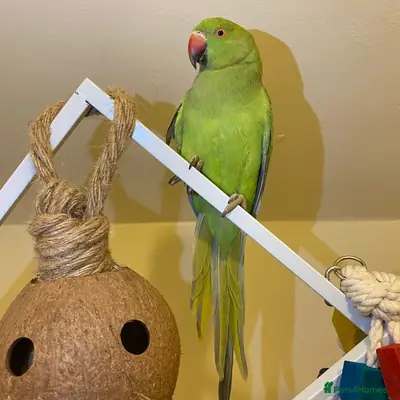
The Ringneck Parrot, also known as the Indian Ringneck Parakeet, originates from South Asia. Historically, these birds were kept as pets by Indian nobility due to their striking appearance and ability to mimic speech. Adult Ringneck Parrots typically measure between 40 to 45 cm in length, including their tail, and weigh around 115 to 140 grams.
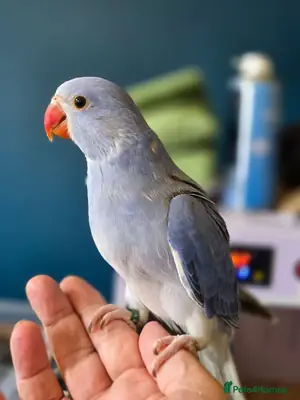
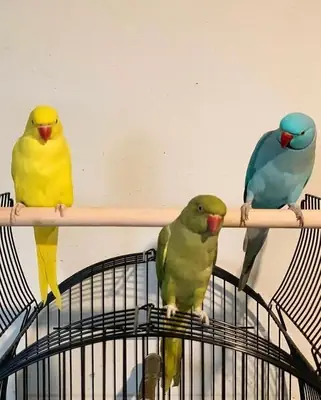
Their plumage is predominantly green with various mutations that can include blue, yellow, and white colorations. They are often confused with the Alexandrine Parakeet, which is larger and has a more robust build.
| Trait | Typical Value | Why it Matters |
|---|---|---|
| Origin | South Asia | Influences their climate adaptability and diet |
| Size | 40-45 cm | Affects cage size requirements |
| Weight | 115-140 grams | Important for health monitoring |
| Color Variations | Green, Blue, Yellow, White | Popular among breeders and enthusiasts |
| Lifespan | 25-30 years | Long-term commitment |
2. Temperament & Instincts
Ringneck Parrots are known for their intelligence and ability to mimic human speech, often learning a wide variety of words and phrases. This stems from their historical role as companions to humans, which has encouraged their vocal and social instincts. They are naturally curious and require mental stimulation to prevent boredom-related issues.
These parrots can be quite independent, yet they form strong bonds with their human caretakers. They are not inherently aggressive, but without proper socialization, they may become nippy or develop undesirable behaviors. It's important for owners to engage with them regularly to maintain a positive relationship.
3. Daily Activity / Exercise Needs
Ringneck Parrots have varying activity needs throughout their life stages. Ensuring they have adequate exercise and enrichment is crucial for their well-being.
| Life Stage | Target | Notes |
|---|---|---|
| Juvenile | 1-2 hours daily | Focus on exploring and basic training |
| Adult | 2-3 hours daily | Include flight time and interactive play |
| Senior | 1-2 hours daily | Modify activities to suit energy levels |
4. Purchase/Adoption Price Framework
The cost of acquiring a Ringneck Parrot can vary significantly based on factors such as color mutation and breeder reputation. Here's a realistic framework for budgeting:
| Source | Price Range (USD) | Notes |
|---|---|---|
| Breeder | $400 - $1,500+ | Rare mutations may cost more |
| Rescue | $100 - $300 | Often includes basic health checks |
| Adoption Event | $50 - $150 | Lower cost but limited availability |
5. First-Year Setup + Monthly Running Cost
Owning a Ringneck Parrot involves initial setup costs and ongoing expenses. Here's what to expect:
| Expense | Cost (USD) | Notes |
|---|---|---|
| Cage & Accessories | $200 - $500 | Includes perches, toys, and feeding bowls |
| Initial Vet Visit | $100 - $200 | Basic health check and vaccinations |
| Monthly Food | $20 - $40 | High-quality pellets and fresh produce |
| Annual Total | $840 - $1,680 | Includes all basic care expenses |
6. Nutrition by Life Stage
Nutritional needs can vary based on the life stage of your Ringneck Parrot. Here's an overview:
| Life Stage | Dietary Focus | Notes |
|---|---|---|
| Juvenile | Growth and Development | Requires higher protein intake |
| Adult | Maintenance | Balanced diet of pellets and fresh food |
| Senior | Joint Health | May require supplements |
7. Grooming / Coat & Hygiene Care
Ringneck Parrots are relatively low-maintenance when it comes to grooming. They do not require regular bathing but enjoy misting or access to a shallow dish for self-bathing. Their plumage should be checked for signs of feather damage or mites.
Regular checks of their beak and nails are important, as overgrowth can lead to health problems. Providing suitable perches and toys can help keep their beak and nails naturally trimmed.
8. Health
While Ringneck Parrots are robust birds, they can be predisposed to certain health issues. Regular veterinary check-ups can help identify and manage these conditions early.
- Psittacosis: A bacterial infection that can be transmitted to humans.
- Feather Plucking: Often a symptom of stress or dietary deficiencies.
- Respiratory Issues: Can arise from poor air quality or infections.
A standard vet visit can range from $50 to $100, depending on the complexity of the examination and any required treatments.
9. Training / Behaviour Priorities
Training a Ringneck Parrot requires patience and consistency. It is crucial to establish a routine and engage in regular interaction to develop trust and reduce the likelihood of behavioral issues. Start with simple commands and gradually progress to more complex tricks.
Socialization is key to preventing aggression and ensuring they are comfortable around various stimuli. Providing a variety of toys can help satisfy their natural curiosity and prevent boredom.
10. Home Environment Fit
Ringneck Parrots can thrive in both apartments and houses, provided they have sufficient space for exercise and play. They are generally tolerant of other pets if introduced properly but may require supervision around smaller animals due to their curious nature.
These parrots are suitable for families with older children who understand how to interact gently with them. A quiet, stable environment helps reduce stress and promotes well-being.
11. Lifestyle Fit Matrix
| Lifestyle | Fit Verdict | Reason |
|---|---|---|
| Busy Professional | Moderate | Requires time for daily interaction |
| Family with Teens | High | Interactive and engaging pet |
| Retiree | High | Companionship and manageable care |
| Frequent Traveler | Low | Requires consistent presence and routine |
12. Breeder / Shelter / Adoption Checklist
- Verify the bird's age and health status.
- Ensure the parrot is weaned and eating independently.
- Check for a clean and well-maintained environment.
- Ask for records of vaccinations and health checks.
- Observe the bird's behavior for signs of stress or fear.
- Confirm the source's reputation and credentials.
13. FAQ
How long do Ringneck Parrots live?
Ringneck Parrots can live for 25 to 30 years, with some even reaching 35 years in captivity. Their longevity makes them a long-term commitment for potential owners.
Do Ringneck Parrots talk?
Yes, Ringneck Parrots are known for their ability to mimic human speech. With time and consistent training, they can learn a variety of words and phrases.
Are Ringneck Parrots good with children?
They can be suitable for families with older children who can understand and respect their space. Supervision is recommended to ensure gentle interactions.
What do Ringneck Parrots eat?
They require a balanced diet that includes high-quality pellets, fresh fruits, and vegetables. Occasional seeds can be offered as treats.
How much attention do Ringneck Parrots need?
These parrots need at least 2 hours of interaction and playtime daily to stay happy and healthy. Lack of stimulation can lead to behavioral problems.
14. Conclusion
Ringneck Parrots are ideal companions for those who can dedicate time and effort to their care. They offer entertainment and companionship but require commitment due to their long lifespan and social needs. If you have the time to engage with them daily and provide a stimulating environment, a Ringneck Parrot can become a cherished member of your family. However, if your lifestyle is not compatible with their needs, it might be best to consider a different pet.