Looking to Adopt a Parrot
There are 145 Parrot listings live right now, last updated yesterday. Detailed profiles of people lo... There are 145 Parrot listings live right now, last updated yesterday. Detailed profiles of people looking to adopt parrots. Living conditions, experience, budget and preferred parrot characteristics f... There are 145 Parrot listings live right now, last updated yesterday. Detailed profiles of people looking to adopt parrots. Living conditions, experience, budget and preferred parrot characteristics for safe matching opportunities.
Loving mother looking for loving babe African grey parrots to adopt
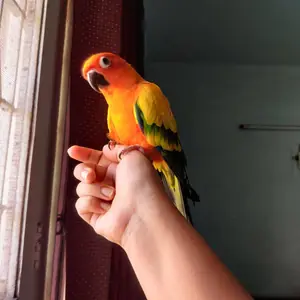
African grey parrot
Indian ringneck

Vacev parrot

Two cockatoos
I want to adopt a Jako parrot.
Parrot
Grey parrot

Parrots

Kakadu, macaw, amazon, etc. species
Looking for a feathered companion

Hello, I would love to adopt your parrot.
Jago puppy

I want to adopt a parrot.
Parrot

Looking for a young male African Grey parrot
I want to adopt a parrot

I want to adopt a talking parrot.
Gabon grey
Parrot species
Adopt a talking young or middle-aged African Grey Parrot
nymph
Looking for a magnificent African Grey to adopt

I would like to adopt a parrot, whether it's a pair or just one.
Cute parrots

Parrot
Parrot Friend

Looking for an African Grey parrot

Parrot
I'm in the Çengelköy area of Istanbul.
Popular Searches
Adopting a parrot near me and understanding the commitment
Searching for “adopting a parrot near me” is often the first step taken by people who want to give a bird a stable and caring home. Parrots are highly intelligent and emotionally sensitive animals that form strong bonds with their caregivers.
Adopting a parrot requires long-term commitment, daily interaction, and an environment that supports both physical health and mental stimulation.
Adopting a parrot for free and real responsibilities
Adopting a parrot for free may sound appealing, but it does not mean the bird requires less care. Free adoption usually occurs when previous owners can no longer meet the parrot’s needs.
Ongoing costs such as food, enrichment, and veterinary care remain essential parts of responsible parrot ownership.
Parrots for rehoming free and ethical adoption
Parrots for rehoming free are often birds that need a new home due to changes in their owner’s circumstances. These parrots may experience stress and anxiety after relocation.
Ethical adoption focuses on matching parrots with homes that understand their social, emotional, and environmental needs.
Parrot rescue and rehoming as a second chance
Parrot rescue and rehoming provides birds with a second chance at a stable life. Many rescued parrots come from environments where their social and mental needs were not fully met.
With patience, consistency, and gentle interaction, rescued parrots can adapt well and form deep bonds with new caregivers.
Adopt a parrot UK and long-term care expectations
People searching to adopt a parrot in the UK often underestimate how long parrots can live. Many species require decades of consistent care, attention, and companionship.
Proper preparation ensures the parrot’s wellbeing and reduces the risk of future rehoming.
Parrot sanctuary near me and rehabilitation process
Searching for a parrot sanctuary near me usually reflects a desire to help or adopt birds that need rehabilitation. Sanctuaries focus on recovery, behavioural support, and preparation for rehoming.
Understanding this process helps adopters support parrots through their transition into a new home.
Adopting a parrot in London and urban living
Adopting a parrot in London presents unique challenges related to space, noise levels, and daily routines. Parrots require quiet periods, safe flight space, and consistent interaction.
With proper planning, parrots can thrive even in urban environments.
Parrots for rehoming free near me and preparation tips
Parrots for rehoming free near me searches often come from people ready to offer a permanent home. Preparation includes understanding the parrot’s diet, daily routine, and social behaviour.
A well-prepared home significantly improves the parrot’s adjustment and long-term wellbeing.
Frequently Asked Questions
What is the best age to adopt a parrot?
In English-speaking countries such as the United States, the United Kingdom, Canada, and Australia, searches like parrot adoption, parrot personality, adopt a parrot companion, tame a parrot, or intelligent parrot are consistently growing. This trend reflects a shift in how people view birds—not merely as pets, but as intelligent, emotional companions capable of forming deep, lasting bonds. The age at which you adopt a parrot directly affects the depth and quality of the relationship you will build over time.
Adopting a baby parrot (3–12 weeks) is perfect for owners eager to establish a strong bond from the very beginning. At this stage, baby parrots are highly observant, emotionally receptive, and quick learners. They respond to gentle interaction, early socialization, and a structured, patient approach. Searches such as baby parrot adoption indicate that many adopters are willing to invest significant time and attention, understanding that a well-socialized young parrot grows into a stable, emotionally intelligent adult.
Adopting a juvenile parrot (3–12 months) aligns with searches like parrot behavior guide or how parrots bond. Juvenile parrots begin to assert their personality, showing curiosity, intelligence, and social awareness. A consistent, calm, and patient interaction routine during this period helps them develop confidence and loyalty to their human companion. Observing and responding to their cues builds a deep emotional connection and fosters positive behavioral growth.
Adopting an adult parrot (1–5 years) is often sought by people looking for a companion that is emotionally balanced and relatively independent. Searches such as adopt adult parrot or parrot for sale adult are popular because adult parrots already have well-defined personalities, are socially aware, and demonstrate remarkable loyalty. They thrive in environments with structure and consistency, forming stable, long-lasting bonds without requiring constant attention.
Adopting a senior parrot (5+ years) is a deeply meaningful choice for experienced bird lovers. Senior parrots offer calmness, wisdom, and an emotional presence that is profoundly comforting. They may require less intensive training or stimulation, yet their companionship can be incredibly rewarding, providing quiet but highly interactive relationships for those ready to understand their unique needs.
What should you know before adopting a parrot?
Common searches include parrot care tips, parrot pros and cons, and parrot behavior guide. Parrots are highly intelligent, sensitive, and require daily interaction. They are not pets to be left alone or neglected, and they thrive in environments where attention and mental stimulation are provided regularly.
Parrots form deep emotional bonds when approached with patience, routine, and interaction. They observe, mimic, and respond to subtle cues, and inconsistent or harsh handling can lead to stress or anxiety. In contrast, a gentle, consistent, and attentive environment fosters loyalty, affection, and a truly interactive companion.
How does the adoption process work for a parrot?
Searches like parrot for adoption, adopt a parrot near me, and parrot rescue center indicate a growing interest in parrot adoption. Parrots are typically available through breeders, adoption centers, and specialized rescue organizations.
The adoption process usually involves evaluating the potential owner’s environment, time availability, and experience with birds. Parrots communicate subtly through body language, vocalizations, and behavior. When they feel safe and understood, they develop strong bonds with their new owners, creating a mutually rewarding relationship that can last for decades.
What is the cost of adopting and caring for a parrot?
Popular searches include parrot cost and parrot care expenses. The initial adoption cost varies depending on species, age, and source, but is often more affordable through rescue centers than breeders.
Long-term care involves providing a nutritious diet (pellets, seeds, fresh fruits, vegetables), safe cage and toys, and regular veterinary care. Although the initial adoption may seem modest, the real investment lies in daily attention, social interaction, and providing an enriching environment that ensures both physical health and emotional well-being for your parrot.
Can a parrot live in an apartment?
The question parrot in apartment appears frequently. Parrots can adapt well to apartment life if provided with space to move, mental stimulation, and regular interaction with their human companions.
They do not require large open spaces but thrive on structure, social interaction, and a safe area for flight within the home. A mentally and physically stimulated parrot is active, vocal at appropriate times, and emotionally balanced indoors.
Is a parrot suitable for families with children?
Yes, with proper guidance. Searches like parrot and kids highlight the interest in family compatibility. Parrots are generally patient and observant, but children must be taught to handle them gently and respectfully.
With calm and regular interaction, parrots become charming and attentive companions, bringing daily joy, and teaching children responsibility, empathy, and how to care for living beings responsibly.
Is it difficult to care for a parrot?
Physically, parrots are hardy birds, but they require a clean cage, balanced diet, social interaction, and occasional veterinary care.
Emotionally, consistency is key. Neglected parrots can become anxious or withdrawn, whereas attentive care fosters trust, attachment, and makes them highly interactive companions. Emotional connection is as critical as physical care for their well-being.
What is the best diet for a parrot?
Popular searches include parrot nutrition and best parrot food. A balanced diet of high-quality pellets, a variety of seeds, fresh vegetables, and occasional fruits is recommended. Some species benefit from specialized diets for optimal health.
Proper nutrition enhances plumage, longevity, mental stimulation, and overall emotional balance, making the parrot more active, playful, and capable of forming strong bonds with humans.
Why adopt a parrot today?
A parrot is not just a bird; it is a vibrant, intelligent companion capable of forming meaningful emotional bonds. Searches like why have a parrot highlight the growing desire to establish rich, interactive relationships with these animals.
Adopting a parrot means choosing a friend that provides daily joy, communication, and companionship. For those willing to invest time, patience, and care, a parrot is not merely a pet but an engaging, affectionate, and truly unique life partner.