When Does Parrot Speech Begin?
Parrots are famous for their speaking abilities, and many parrot owners wonder when their parrots will start speaking. The age at which parrots begin to speak depends on many factors such as species, individual differences, training, and social environment. This comprehensive guide explains in detail when parrots begin to speak, speech development processes, and methods to encourage speech.
When Do Parrots Begin to Speak?
The age at which parrots begin to speak depends on many factors:
1. Species Differences
Different parrot species begin to speak at different ages:
- African Grey Parrot: Can begin speaking between 12-18 months
- Amazon Parrot: Can begin speaking between 6-12 months
- Budgerigar: Can begin speaking between 3-6 months
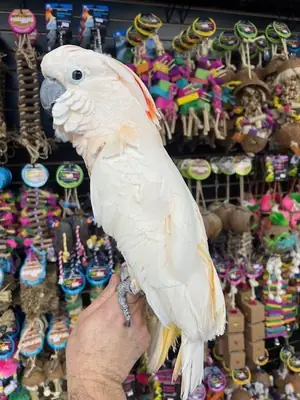
- Cockatoo: Can begin speaking between 12-24 months
- Macaw: Can begin speaking between 12-18 months
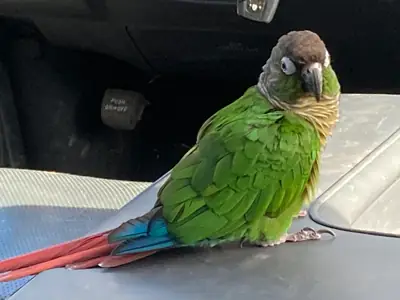
- Conure: Can begin speaking between 6-12 months
2. Individual Differences
Each parrot has individual differences:
- Personality: Some parrots are more social and talkative
- Learning Speed: Some parrots learn faster
- Interest: Some parrots show more interest in speaking
- Confidence: Some parrots are more confident and speak more comfortably
3. Age Factor
The age of parrots affects their speaking abilities:
- Baby Parrots: Baby parrots learn faster and begin speaking earlier
- Young Parrots: Young parrots are open to learning to speak
- Adult Parrots: Adult parrots can also learn to speak, but more patience is required
- Senior Parrots: Senior parrots can learn new words, but learn more slowly
Parrot Speech Development Stages
Parrot speech development goes through several stages:
1. Sound Production Stage (0-3 Months)
Baby parrots begin to make sounds in their first months:
- Natural Sounds: Baby parrots make natural sounds
- Learning: They listen to sounds in their environment
- Trial: They begin to try different sounds
- Development: Their sound production abilities develop
2. Mimicry Stage (3-6 Months)
Parrots begin to mimic between 3-6 months:
- Sound Mimicry: They begin to mimic sounds in their environment
- Word Attempts: They make their first word attempts
- Learning: They learn new sounds and words
- Development: Their mimicry abilities develop
3. First Words (6-12 Months)
Parrots begin to say their first words between 6-12 months:
- First Words: They say their first meaningful words
- Simple Words: They learn simple words
- Repetition: They begin to repeat words
- Development: Their vocabulary expands
4. Advanced Speech (12+ Months)
Parrots develop advanced speech abilities after 12 months:
- Complex Words: They learn complex words
- Sentences: They begin to form simple sentences
- Contextual Usage: They use words contextually
- Creativity: They create new combinations
Factors Affecting Parrot Speech
There are many factors that affect parrots' speaking abilities:
1. Social Environment
Social environment affects parrots' speaking abilities:
- Human Interaction: Regular human interaction encourages speech
- Speaking Environment: Speaking environment accelerates learning
- Social Stimulation: Social stimulation supports speech development
- Attention and Love: Attention and love encourage speech
2. Training and Teaching
Training and teaching improve parrots' speaking abilities:
- Regular Training: Regular training accelerates speech
- Repetition: Repeating words facilitates learning
- Positive Reinforcement: Positive reinforcement encourages learning
- Patience: Patient training increases success
3. Health and Nutrition
Health and nutrition affect parrots' speaking abilities:
- Healthy Nutrition: Healthy nutrition supports cognitive development
- Physical Health: Physical health affects learning
- Mental Health: Mental health affects speaking abilities
- Stress: Stress can hinder learning
Methods to Encourage Parrot Speech
To encourage your parrot to speak:
1. Regular Speaking
Speak regularly with your parrot:
- Daily Speaking: Speak with your parrot every day
- Simple Words: Start with simple words
- Repetition: Repeat words
- Patience: Be patient
2. Positive Reinforcement
Reward your parrot's speaking efforts:
- Reward: Reward speaking efforts
- Attention: Show attention to speaking efforts
- Love: Respond to speaking efforts with love
- Encouragement: Encourage speaking efforts
3. Training Games
Training games encourage speech:
- Word Games: Play word games
- Mimicry Games: Play mimicry games
- Learning Games: Play learning games
- Fun Activities: Do fun activities
Speaking Age in Different Parrot Species
1. African Grey Parrot
African Grey Parrots are one of the most talented species in speaking:
- Starting Age: 12-18 months
- Learning Speed: Very fast
- Word Capacity: 1000+ words
- Characteristics: Can form complex sentences, can use contextually
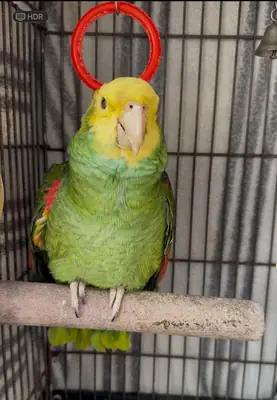
2. Amazon Parrot
Amazon Parrots begin speaking at an early age:
- Starting Age: 6-12 months
- Learning Speed: Fast
- Word Capacity: 500+ words
- Characteristics: Musical abilities, loud speech
3. Budgerigar
Budgerigars are one of the earliest species to begin speaking:
- Starting Age: 3-6 months
- Learning Speed: Very fast
- Word Capacity: 100+ words
- Characteristics: Fast learning, loud speech
4. Cockatoo
Cockatoos begin speaking at a late age:
- Starting Age: 12-24 months
- Learning Speed: Medium
- Word Capacity: 200+ words
- Characteristics: Social, fun, loud
What Should Not Be Expected in Parrot Speech
Some things should not be expected in parrot speech:
1. Quick Results
It may take time for parrots to begin speaking:
- Patience: Be patient, don't expect immediate results
- Time: Each parrot learns at different speeds
- Development: Speech development takes time
2. Perfect Pronunciation
Parrots' pronunciation may not always be perfect:
- Development: Pronunciation develops over time
- Practice: Practice improves pronunciation
- Patience: Be patient
3. Every Parrot Speaks
Not every parrot may speak:
- Individual Differences: Each parrot is different
- Interest: Some parrots may not show interest in speaking
- Personality: Personality affects speaking abilities
Tips to Improve Parrot Speech
To improve your parrot's speech:
1. Early Start
Start training at an early age:
- Baby Period: Start training during the baby period
- Learning Window: Don't miss the learning window
- Development: Early training accelerates development
2. Consistency
Be consistent in training:
- Regular Training: Do regular training
- Consistent Methods: Use consistent methods
- Patience: Be patient
3. Positive Environment
Create a positive environment:
- Safe Environment: Provide a safe environment
- Love: Create a loving environment
- Attention: Show attention
- Fun: Create a fun environment
Conclusion
The age at which parrots begin to speak depends on many factors such as species, individual differences, training, and social environment. Generally, parrots begin to speak between 3-24 months, but this period can vary depending on species and individual differences.
To encourage your parrot to speak, regular speaking, positive reinforcement, training games, and a patient approach are important. Each parrot is different, and while some parrots show more interest in speaking, others may show less interest.
Remember that your parrot's speech is not necessary for its health and happiness. Even if your parrot doesn't speak, you can form a strong bond with it and live a happy life together.