Pet Training Services
There are 3 Training listings live right now, last updated 23 Apr 2026. Pet training services help i... There are 3 Training listings live right now, last updated 23 Apr 2026. Pet training services help improve obedience, behavior and social skills in pets. This category includes basic obedience trainin... There are 3 Training listings live right now, last updated 23 Apr 2026. Pet training services help improve obedience, behavior and social skills in pets. This category includes basic obedience training, toilet training and specialized behavior therapy programs tailored to individual needs. Proper training reduces behavioral problems and strengthens communication between pets and owners. petopic connects you with professional trainers who deliver effective and humane training solutions.
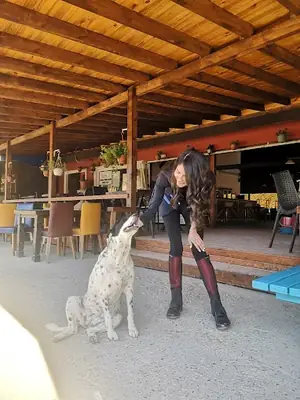
Istanbul Professional Dog Training – Canis Academy (Home & Field Training)

Professional dog training in Moscow – Sokolniki Canine Center
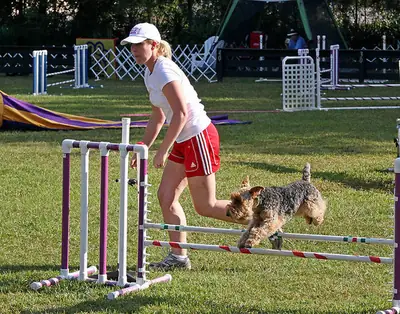
Dog Training from experienced instructor
Popular Searches
Pet training services near me
Pet training services near me are often searched by owners who want practical, accessible and ongoing support for their animals. Local training services allow pets to learn in familiar environments, which significantly improves focus and retention.
Training close to home reduces travel stress and makes it easier to maintain consistency, an essential factor in behavioural development.
Regular, nearby training sessions help reinforce positive habits and create a calmer, more predictable daily routine for pets.
Pet training services for dogs
Pet training services for dogs focus on building communication between dogs and their owners through structured guidance and repetition.
Training can include basic obedience, leash control, recall, social behaviour and impulse management.
Well-designed dog training programs improve confidence, reduce anxiety and support a balanced relationship at home and in public spaces.
Professional dog trainer guidance
Professional dog trainer guidance provides structured learning based on canine behaviour and psychology.
Rather than relying on punishment, modern training focuses on clarity, timing and positive reinforcement.
This approach helps dogs understand expectations clearly, leading to long-lasting behavioural improvements.
Dog training London prices
Dog training prices in London vary depending on the type of program, session length and training format.
Group classes are usually more affordable, while private sessions offer personalised attention and faster progress.
Understanding pricing structures helps owners choose a training solution that fits both their goals and budget.
Free pet training services
Free pet training services are often sought by new pet owners or those needing basic guidance.
These services usually focus on foundational skills such as basic commands, social exposure and routine building.
While limited in scope, free training can provide a helpful starting point for responsible pet ownership.
Dog trainer prices
Dog trainer prices depend on experience level, session frequency and behavioural complexity.
More intensive behavioural correction typically requires longer programs and closer supervision.
Choosing training based on value rather than cost alone leads to more stable and effective outcomes.
Best pet training services
The best pet training services combine behavioural knowledge, patience and adaptability.
Effective programs are tailored to the individual pet, considering age, temperament and environment.
High-quality training supports long-term behavioural stability and improves overall quality of life.
Puppy training programs
Puppy training programs focus on early learning stages where habits form quickly.
Socialisation, basic commands and confidence-building exercises are key components.
Early training creates a strong foundation that prevents behavioural issues later in life.
Frequently Asked Questions
At what age should dog training start?
Dog training can start much earlier than most people think, and early education plays a critical role in shaping a dog’s future behavior and emotional balance. Professional trainers and veterinarians agree that training should begin as soon as the puppy adapts to its new home environment.
The ideal periods for starting dog training are:
- 8–12 weeks: Socialization, name recognition, basic house rules
- 3–6 months: Basic obedience training such as sit, stay, come
- 6–12 months: Leash training, impulse control, focus exercises
- Adult dogs: Behavioral correction and advanced obedience
Starting early reduces behavioral problems, builds confidence, and creates a strong bond between the dog and the owner.
What are the most important basic dog training commands?
Basic dog training commands form the foundation of communication between a dog and its owner. These commands are essential not only for obedience but also for safety and daily life harmony.
The most important basic dog training commands include:
- Sit: Helps control excitement and establish focus
- Stay: Teaches patience and self-control
- Come: Critical for safety in outdoor environments
- Down: Encourages calm behavior
- Leave it: Prevents dangerous or unwanted actions
Consistency, positive reinforcement, and short daily sessions are the keys to successfully teaching these commands.
How long does dog training usually take?
The duration of dog training varies depending on the dog’s age, breed, temperament, and the consistency of training. There is no one-size-fits-all timeline, but understanding realistic expectations helps owners stay motivated.
General dog training timelines:
- Basic obedience: 4–8 weeks
- House training: 2–4 months
- Leash training: 3–6 weeks
- Behavioral correction: 2–6 months
Training is an ongoing process. Even well-trained dogs benefit from regular practice to maintain learned behaviors.
Is professional dog training better than home training?
Both professional dog training and home training have their advantages, and the best choice depends on the dog’s needs and the owner’s experience level. Many successful training programs combine both approaches.
Comparison of training options:
- Home training: Builds strong owner-dog bond, flexible schedule
- Professional training: Faster results, expert behavior analysis
- Hybrid approach: Most effective long-term solution
Professional guidance is especially recommended for aggression, anxiety, or severe behavioral issues.
What are the most common dog training mistakes?
Many dog owners unknowingly slow down the training process by repeating common mistakes. Recognizing and avoiding these errors makes training more effective and enjoyable.
Common dog training mistakes include:
- Inconsistency: Changing rules confuses the dog
- Using punishment: Causes fear and anxiety
- Long training sessions: Reduces focus and motivation
- Ignoring body language: Missed communication signals
Positive reinforcement and patience always produce better long-term results.
How does positive reinforcement work in dog training?
Positive reinforcement is one of the most effective and humane dog training methods. It focuses on rewarding desired behaviors rather than punishing unwanted ones.
Positive reinforcement tools include:
- Treats: High-value food rewards
- Praise: Verbal encouragement
- Toys: Play-based motivation
This method builds trust, increases learning speed, and strengthens the emotional bond between dog and owner.
Can adult dogs still be trained effectively?
Contrary to popular belief, adult dogs can be trained just as effectively as puppies. While habits may be more established, adult dogs often have better focus and emotional stability.
Benefits of training adult dogs:
- Improved behavior: Reduced anxiety and aggression
- Mental stimulation: Keeps the dog mentally active
- Stronger bond: Builds mutual trust
With patience and consistency, adult dog training can produce impressive results.
How often should dog training sessions be done?
Frequency is more important than duration when it comes to dog training. Short, regular sessions help maintain focus and prevent frustration.
Recommended training frequency:
- Puppies: 2–3 short sessions daily
- Adult dogs: 1–2 sessions daily
- Advanced training: 3–5 sessions per week
Each session should last between 5 and 15 minutes for best results.
What equipment is needed for effective dog training?
Using the right dog training equipment makes learning easier and safer for both the dog and the owner. Simple tools are often more effective than complex gadgets.
Essential dog training equipment includes:
- Leash and collar: For control and safety
- Training treats: High-reward motivation
- Clicker: Precise behavior marking
- Toys: Engagement and play rewards
Equipment should always be used ethically and never cause discomfort.
How do you know if dog training is successful?
Successful dog training is not just about obedience but about communication, trust, and emotional balance. Progress may be gradual, but clear signs indicate success.
Signs of effective dog training:
- Consistent response: Dog follows commands reliably
- Calm behavior: Reduced anxiety and reactivity
- Improved focus: Better attention during activities
- Stronger bond: Increased trust and cooperation
Ongoing reinforcement ensures that training results remain permanent.