Birmingham Roller: Comprehensive Guide for 2026
The Birmingham Roller is a fascinating breed of pigeon known for its unique aerial acrobatics and vibrant history. This guide will delve into their specific temperament, exercise needs, and health considerations, offering potential adopters the essential information needed for informed decision-making.
1. Breed Identity & Standards
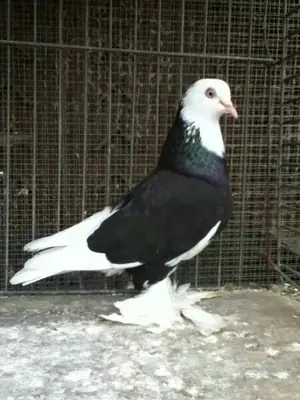
Originating from Birmingham, England, the Birmingham Roller is a domestic pigeon breed renowned for its ability to perform rapid backward somersaults while flying. These performances, also referred to as "rolling," are a distinctive trait that has fascinated enthusiasts for generations. Typically, Birmingham Rollers weigh between 250 to 300 grams and stand about 24 to 30 cm tall. Their plumage can vary widely, featuring colors such as blue, black, white, and red. With a lifespan of approximately 7 to 10 years, these pigeons require specific care to thrive.
| Trait | Typical Value | Why it Matters |
|---|---|---|
| Origin | Birmingham, England | Understanding origin helps with appreciating their history and purpose. |
| Weight | 250-300 grams | Important for health monitoring and nutritional needs. |
| Height | 24-30 cm | Helps in understanding the space they require. |
| Coat Varieties | Various colors | Plumage color can affect breeding choices. |
| Lifespan | 7-10 years | Helps adopters plan for long-term care. |
2. Temperament & Instincts
Birmingham Rollers are highly energetic and social birds, known for their exuberant flight patterns. Their instinct to roll during flight connects back to their historical breeding for entertainment and sport. While they can be kept as pets, their natural behaviors make them better suited for experienced bird handlers who can provide ample space for flight and exercise.
These pigeons exhibit a high prey drive, an evolutionary trait from their wild ancestors, making them vigilant and sometimes skittish around unfamiliar stimuli. They are not excessively vocal compared to other bird species, but their cooing and chattering can be quite charming for bird enthusiasts. Birmingham Rollers are generally independent, though they thrive in groups, reflecting their social nature and the need for flock companionship.
3. Daily Activity & Exercise Needs by Life Stage
Proper exercise is crucial for maintaining the health and agility of Birmingham Rollers. Their unique rolling behavior requires not only physical fitness but also mental stimulation.
| Life Stage | Target | Notes |
|---|---|---|
| Juvenile | 1-2 hours of flight daily | Encourages muscle development and coordination. |
| Adult | 2-3 hours of flight daily | Maintains fitness and mental well-being. |
| Elder | 1 hour of light flight | Adjust based on health; focus on gentle activity. |
4. Purchase/Adoption Price Framework
The cost of acquiring a Birmingham Roller varies significantly depending on the source and specific lineage. Breeding for performance can also influence pricing.
| Source | Price Range (USD) | Notes |
|---|---|---|
| Breeder | $50 - $150+ | Higher for strong performance lineages. |
| Rescue/Adoption | $20 - $50 | Often includes health checks and basic vaccinations. |
5. First-Year Setup + Monthly Running Cost
Initial setup costs can vary based on the quality of housing and health interventions required.
| Item | Cost (USD) | Notes |
|---|---|---|
| Cage/Aviary | $100 - $300 | Essential for safe housing. |
| Initial Vet Check | $50 - $100 | Includes a basic health assessment. |
| Feeding Equipment | $20 - $40 | Includes feeders and water containers. |
| Monthly Food | $10 - $20 | Based on diet requirements. |
| Annual Total | $350 - $600 | Includes all recurring costs. |
6. Nutrition by Life Stage
Proper nutrition is vital for Birmingham Rollers to support their active lifestyle and unique rolling behavior.
| Life Stage | Diet | Notes |
|---|---|---|
| Juvenile | High-protein pellets | Supports growth and muscle development. |
| Adult | Balanced seeds and grains | Maintains energy levels for flight. |
| Elder | Low-fat diet | Prevents obesity and supports longevity. |
7. Grooming / Coat & Hygiene Care
Birmingham Rollers require minimal grooming compared to other pets, but maintaining their environment is crucial. Regular cleaning of their aviary or cage is necessary to prevent the buildup of droppings and feathers, which can lead to health issues. Occasional bathing can help keep their plumage clean, but it's usually self-managed through natural behaviors like dust bathing.
8. Health
While generally robust, Birmingham Rollers can be prone to certain health issues that prospective owners should be aware of. Regular veterinary check-ups can help catch problems early and keep these pigeons in optimal health.
- Paramyxovirus Infection: A viral disease that can affect the nervous system.
- Salmonellosis: A bacterial infection that can lead to severe health issues if untreated.
- Coccidiosis: A common parasitic infection in pigeons.
Veterinary costs for treatment of these conditions can range from $50 to $200 depending on severity and location.
9. Training / Behaviour Priorities
Training Birmingham Rollers focuses more on managing their environment and ensuring their safety during flight. It's crucial to provide them with a secure space to fly without the risk of predators. Socialization with other pigeons is important to satisfy their flocking instincts. Introducing them to various environments and stimuli can help reduce skittishness and improve their adaptability.
10. Home Environment Fit
Birmingham Rollers are best suited for homes with sufficient outdoor space or access to a safe aviary. They require a secure environment that allows for flying, which is essential for their mental and physical health. While they can adapt to different living situations, they are not ideal for small apartments without access to outdoor flight areas. They generally coexist well with other pigeons and birds but should be monitored around small pets due to their high energy.
11. Lifestyle Fit Matrix
| Lifestyle | Fit Verdict | Reason |
|---|---|---|
| Urban Apartment | Low | Lack of flight space. |
| Suburban Home with Yard | High | Ample space for aviary setup. |
| Active Family | Medium | Good if children are taught how to handle pigeons. |
| Single Bird Enthusiast | High | Great for focused care and socialization. |
12. Breeder / Shelter / Adoption Checklist
- Verify the bird's lineage and performance history.
- Ask about any known health issues and vaccinations.
- Inspect the living conditions and cleanliness of the facility.
- Ensure the pigeon has been socialized with other birds.
- Request a trial flight to observe rolling behavior.
- Check for any signs of physical distress or injury.
13. FAQ
What is the lifespan of a Birmingham Roller?
Birmingham Rollers typically live between 7 to 10 years. With proper care and a healthy environment, they can enjoy a long, active life filled with flight and social interaction.
Are Birmingham Rollers suitable for beginners?
While they are fascinating birds, Birmingham Rollers are best suited for individuals who have experience with pigeons or other birds. Their unique flight needs and social nature require knowledgeable care.
What do Birmingham Rollers eat?
Their diet primarily consists of high-quality seeds and grains, supplemented with pellets that provide essential vitamins and minerals. Diet adjustments should be made according to their life stage.
Do Birmingham Rollers need special housing?
Yes, they require a spacious aviary or secure outdoor space that allows for free flight. These environments should be predator-proof and provide opportunities for social interaction with other pigeons.
14. 2026 Note & Closing Verdict
In 2026, the Birmingham Roller continues to captivate bird enthusiasts with its acrobatic prowess and vibrant history. Potential adopters should be prepared to provide ample flying space and understand the breed's unique needs. This breed is ideal for those who can dedicate time to their care and enjoy observing their remarkable flight patterns. However, those without adequate space or experience with birds may find the breed challenging.