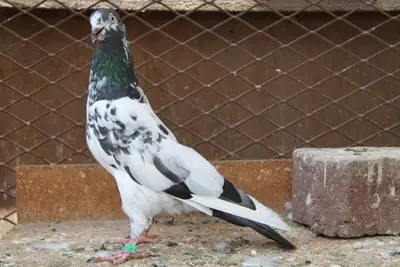
Budapest Highflyer Characteristics: In-Depth Guide for Prospective Adopters
The Budapest Highflyer, known for its remarkable flying ability and appealing appearance, requires careful consideration before adoption. With a history of selective breeding for performance, these pigeons exhibit unique traits and specific care needs that potential owners must understand.
1. Breed Identity & Standards
The Budapest Highflyer, or Budapeşte Yüksek Uçan, originated in Hungary, specifically bred for its exceptional flying capabilities, endurance, and elegant appearance. These pigeons typically weigh between 12 to 15 ounces (approximately 340 to 425 grams) and stand around 10 to 12 inches (about 25 to 30 cm5 to 15 years, depending on care and health management.
Budapest Highflyers possess a smooth, streamlined body, with a broad chest and long wings, which contribute to their impressive flight. Their plumage can vary widely, featuring colors such as white, blue, black, and red, often with unique patterns. Potential adopters should be aware that they may be confused with other breeds like the Racing Homer or the Tippler due to similar body shapes and flight capabilities.
| Trait | Typical Value | Why It Matters |
|---|---|---|
| Origin | Hungary | Historical significance in competitive flying and breeding. |
| Weight | 12 to 15 ounces | Influences dietary needs and health management. |
| Height | 10 to 12 inches | Affects housing space requirements. |
| Lifespan | 5 to 15 years | Longer lifespan indicates need for ongoing care and health monitoring. |
| Coat Varieties | Various colors and patterns | Aesthetic appeal and individual preference in selection. |
2. Temperament & Instincts
The Budapest Highflyer is known for its lively and social nature. Bred to be agile and responsive, these pigeons exhibit a strong flying instinct, which is rooted in their history of being used in competitive flying. This breed tends to form strong bonds with their human caretakers and can be quite affectionate, often enjoying interaction and companionship. They are not typically aggressive but can exhibit a strong prey drive, making it important to supervise them around smaller pets.
In terms of vocalization, the Budapest Highflyer is relatively quiet compared to other pigeon breeds. Their sociability allows them to coexist well with other pigeons, but they may require space to fly and exercise. Owners should be prepared to provide an environment that allows for both mental stimulation and physical exercise, as these birds thrive on activity and engagement.
3. Daily Activity / Exercise Needs
Budapest Highflyers have high energy levels and require ample space to fly and exercise daily. Their activity needs will vary by life stage, and proper management is crucial to ensure they remain healthy and active.
| Life Stage | Target Activity Level | Notes |
|---|---|---|
| Juvenile (0-6 months) | 1-2 hours of flight | Encouragement and supervised space are key for developing flight skills. |
| Adult (6 months - 5 years) | 2-4 hours of flight | Regular exercise is crucial for maintaining health and flight performance. |
| Senior (5+ years) | 1-2 hours of flight | Monitor health closely; adjust activity based on individual condition. |
4. Purchase/Adoption Price Framework
The cost of adopting or purchasing a Budapest Highflyer can vary significantly based on factors such as lineage, health testing, and availability. Here’s an overview of typical price ranges across different regions.
| Region | Price Range (USD) | Notes |
|---|---|---|
| North America | $50 - $150+ | Prices may be higher for show-quality birds or those with proven lineage. |
| Europe | €40 - €120+ | Potential for lower prices from local breeders or rescue organizations. |
| Asia | ¥500 - ¥1500+ | Cost may vary based on region and breeder reputation. |
| Middle East | ₺200 - ₺600+ | Local demand and breeding practices may influence pricing. |
5. First-Year Setup + Monthly Running Cost
Preparing for a Budapest Highflyer requires an initial investment in housing, health care, and ongoing costs. Below is an overview of the setup and monthly expenses.
| Item | Initial Cost (USD) | Monthly Cost (USD) |
|---|---|---|
| Cage or Aviary | $100 - $300 | $15 - $30 |
| Food and Supplements | $30 | $20 - $40 |
| Veterinary Care (Vaccinations, Check-ups) | $50 - $100 | $10 - $20 |
| Enrichment Toys and Perches | $30 - $100 | $5 - $15 |
| Total First-Year Cost | $300 - $600 | Total Monthly Cost: $50 - $105 |
6. Nutrition by Life Stage
Proper nutrition is a cornerstone of health for Budapest Highflyers. Their dietary needs vary by age, and it is crucial to provide a balanced diet to support their activity levels.
| Life Stage | Recommended Diet | Notes |
|---|---|---|
| Juvenile (0-6 months) | High protein, starter pellets | Supports growth and development. |
| Adult (6 months - 5 years) | Mixed grains, seeds, and pellets | Maintain energy levels and health. |
| Senior (5+ years) | Lower protein, balanced diet | Adjust to manage weight and health issues. |
7. Grooming / Coat & Hygiene Care
Budapest Highflyers require regular grooming and hygiene care to maintain their health. While they do not have long feathers that necessitate extensive grooming, regular checks for mites and other parasites are essential.
Owners should aim to clean their living environment frequently to prevent buildup of waste and ensure a healthy habitat. Bathing is not usually necessary, but occasional misting with water can help keep their feathers in good condition, especially during dry weather.
8. Health
Like all breeds, Budapest Highflyers are predisposed to certain health conditions. It is essential for prospective owners to be aware of these issues and seek out responsible breeders or rescue organizations that prioritize health testing.
- Respiratory diseases: Such as avian influenza.
- Colony collapse disorder: Can affect group dynamics and health.
- Feather plucking: Often a sign of stress or behavioral issues.
- Obesity: Due to overfeeding or lack of exercise.
Regular veterinary check-ups are recommended, and costs for consultations can vary widely, typically around $30 to $70 per visit, depending on location.
9. Training / Behaviour Priorities
Training a Budapest Highflyer revolves around establishing a strong bond and ensuring they are comfortable with human interaction. Basic handling and socialization from a young age are crucial. Owners should focus on positive reinforcement techniques to encourage desired behaviours.
Training should also include flight recall and environmental acclimatization. Providing a safe environment for flying is essential, and owners should ensure their birds are accustomed to their surroundings to prevent stress during flight.
10. Home Environment Fit
Budapest Highflyers require a spacious environment that allows for ample flight and exercise. An aviary or large cage is recommended to accommodate their active nature. They thrive in environments where they can interact with other pigeons and humans, so socialization is critical.
While they can adapt to various living conditions, prospective owners should ensure they have enough space for flying and that the area is secure from predators. They generally do well with other pigeons but may need gradual introductions to other bird species or pets.
11. Lifestyle Fit Matrix
| Lifestyle | Fit Verdict | Reason |
|---|---|---|
| Active individuals | Good fit | High energy and need for flight align well. |
| Families with children | Moderate fit | Requires supervision with young kids. |
| Busy professionals | Poor fit | Requires time for interaction and exercise. |
| Retirees | Good fit | Time for care and social interaction. |
12. Breeder / Shelter / Adoption Checklist
- Verify the health history of the bird.
- Ask about socialization and handling practices.
- Inquire about the bird's lineage and breeding conditions.
- Check for signs of health issues during visits.
- Ensure the breeding or adoption facility is clean and well-maintained.
- Ask for recommendations on dietary and care practices.
13. FAQ
What is the lifespan of a Budapest Highflyer?
The lifespan of a Budapest Highflyer typically ranges from 5 to 15 years, depending on genetics, care, and overall health management.
Do Budapest Highflyers require special food?
Yes, they require a balanced diet that includes high-quality seeds, grains, and supplements tailored to their life stage to ensure proper nutrition.
Are Budapest Highflyers good for beginners?
While they can be affectionate and social, their high energy and specific care needs may make them better suited for those with some experience in pigeon care.
Can Budapest Highflyers live with other birds?
They generally do well with other pigeons but may require careful introductions to ensure compatibility with different bird species or pets.
14. Conclusion and Who Should Adopt
In 2026, the Budapest Highflyer remains an excellent choice for those who appreciate avian beauty and have the time and space for active birds. They are best suited for individuals or families who can dedicate time to their care and provide a safe environment for their exercise needs. However, those with limited space or time for regular interaction may want to consider other options.