Homing Pigeon Guide 2026: Temperament, Adoption Costs & Health Insights
The Homing Pigeon, known for its remarkable navigation skills, has a fascinating history rooted in communication. These birds are medium-sized, typically weighing between 300 to 400 grams, and are resilient with varied coat colors. This guide provides comprehensive insights into their care and suitability as companions.
1. Breed Identity & Standards
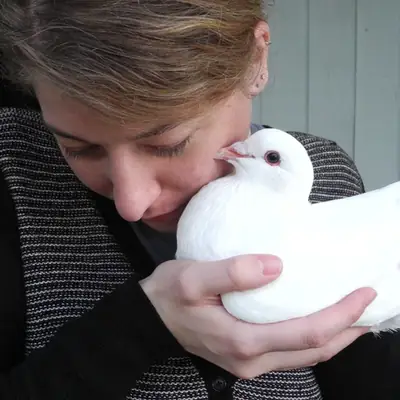
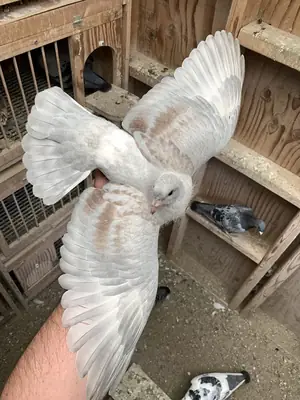
The Homing Pigeon, a member of the species group “Güvercin,” is recognized for its exceptional ability to return to its home loft over long distances. Originating from Europe, these pigeons have been selectively bred for their navigational prowess and endurance. They typically weigh between 300 to 400 grams and measure about 32 to 37 cm in length. Their plumage can vary widely, including shades of blue, gray, white, and brown, often in striking patterns.
| Trait | Typical Value | Why it Matters |
|---|---|---|
| Weight | 300-400 grams | Healthy weight supports long-distance flight. |
| Height | 32-37 cm | Size affects flight dynamics and space needs. |
| Coat Varieties | Various colors | Diverse appearance, no effect on homing ability. |
| Lifespan | 10-15 years | Longevity requires long-term commitment. |
2. Temperament & Instincts
Homing Pigeons are known for their calm and gentle nature, which makes them appealing as domestic birds. Their instincts are deeply tied to their history as messengers. They exhibit strong homing instincts, often forming a bond with their loft. This bond drives their ability to return home from great distances, a trait that has been harnessed historically for communication purposes.
These pigeons are also known for their social nature. While they can be independent, they thrive in the company of other pigeons. Their natural sociability makes them suitable for aviary settings where they can interact with other birds. However, potential adopters should note that while they are generally quiet, they can be vocal during mating or when alarmed.
3. Daily Activity / Exercise Needs by Life Stage
Homing Pigeons require regular exercise to maintain their health, particularly in supporting their strong flight muscles. Their activity levels vary by life stage, with younger pigeons needing more frequent exercise to develop their skills.
| Life Stage | Target | Notes |
|---|---|---|
| Young | 45-60 minutes daily | Crucial for developing flight skills. |
| Adult | 30-45 minutes daily | Helps maintain muscle tone and health. |
| Senior | 20-30 minutes daily | Maintains mobility and prevents obesity. |
4. Purchase/Adoption Price Framework
The cost of acquiring a Homing Pigeon can vary significantly based on factors such as pedigree, training, and age. Adoption from shelters tends to be more economical than purchasing from breeders, especially those specializing in racing pigeons.
| Source | Price Range (USD) | Notes |
|---|---|---|
| Breeder | USD 50-300+ | Higher for trained racers or pedigree lines. |
| Shelter | USD 10-50 | Adoption fees vary by shelter policy. |
| Private Sale | USD 20-150 | Depends on bird's training and health. |
5. First-Year Setup + Monthly Running Cost
Setting up for a Homing Pigeon involves initial investments in housing and ongoing costs for feeding and health care. Here is a breakdown of typical expenses:
| Item | Cost (USD) | Notes |
|---|---|---|
| Initial Setup (Loft, Perches) | USD 100-500 | Depends on loft size and materials. |
| Initial Health Check & Vaccines | USD 50-150 | Basic health assessment and vaccinations. |
| Monthly Feed | USD 20-30 | High-quality grain mix and supplements. |
| Annual Health Checks | USD 50-100 | Regular veterinary visits. |
Estimated First-Year Total: USD 500-800
6. Nutrition by Life Stage
Homing Pigeons require a balanced diet tailored to their life stage to ensure optimal health and performance.
| Life Stage | Diet | Notes |
|---|---|---|
| Young | High-protein grains | Supports rapid growth and development. |
| Adult | Balanced grain mix | Maintains energy and health for flight. |
| Senior | Low-fat grains | Prevents weight gain and supports mobility. |
7. Grooming / Coat & Hygiene Care
Grooming Homing Pigeons involves ensuring their feathers are clean and in good condition. Regular bathing is beneficial, and pigeons will often bathe themselves if provided with a shallow dish of clean water. Additionally, owners should monitor their pigeons for signs of feather mites, which can affect plumage quality.
Routine hygiene practices include cleaning the loft regularly to prevent the buildup of droppings and potential spread of disease. Pigeons also benefit from regular claw trimming to prevent overgrowth, which can affect their ability to perch comfortably.
8. Health
Homing Pigeons are generally robust, but they are susceptible to certain health conditions. Ethical breeders and shelters will often screen for these issues.
- Pigeon Paramyxovirus (PPMV): A viral infection that can cause neurological symptoms.
- Salmonellosis: A bacterial infection that can affect the digestive system.
- Canker (Trichomoniasis): A protozoal infection causing oral lesions.
- Feather Mites: Can lead to poor feather condition.
Veterinary care costs for routine health checks and vaccinations are typically affordable, ranging from USD 50-150 annually.
9. Training / Behaviour Priorities
Training a Homing Pigeon involves harnessing its natural instincts to return home. This process typically starts when the pigeon is young, gradually increasing the distances from which it is released. Consistent training helps reinforce their natural homing ability.
Key behavior priorities include ensuring they are comfortable with their loft, which serves as their home base. Familiarity with their environment enhances their homing ability. Additionally, socialization with other pigeons is important, as these birds are inherently social creatures.
10. Home Environment Fit
Homing Pigeons can adapt to various living environments, although they thrive in settings where they have space to fly. An outdoor aviary or loft is ideal, providing them the freedom to exercise their wings. While they can adapt to urban environments, potential adopters should ensure they have access to safe outdoor spaces.
Homing Pigeons are generally good with both children and other birds, provided they are introduced appropriately. However, they require supervision around pets like cats and dogs, which may pose a threat.
11. Lifestyle Fit Matrix
| Lifestyle | Fit Verdict | Reason |
|---|---|---|
| Urban Apartment | Moderate | Requires safe outdoor flying space. |
| Suburban House | High | Ample space for flight and loft setup. |
| Rural Farm | Ideal | Abundant space and fewer predators. |
12. Breeder / Shelter / Adoption Checklist
- Confirm the bird has been vaccinated against PPMV.
- Inquire about any history of salmonellosis or canker.
- Ensure the bird is comfortable with human handling.
- Ask about the bird's flight training history.
- Verify the bird's age and health records.
- Check for the presence of feather mites.
13. FAQ
How do Homing Pigeons navigate?
Homing Pigeons use a combination of the Earth's magnetic field, the sun's position, and visual landmarks to navigate. Their innate ability is enhanced through training, allowing them to return to their loft over long distances.
What do Homing Pigeons eat?
Their diet primarily consists of grains and seeds, with specific nutritional needs depending on their life stage. Young pigeons require high-protein diets, while adults benefit from a balanced mix to support their energy needs.
Are Homing Pigeons good pets?
They can make excellent pets for those with the space to accommodate their flying needs. Their calm nature and unique homing instinct appeal to many bird enthusiasts. However, they are not suited for environments without access to outdoor flying space.
How long do Homing Pigeons live?
With proper care, Homing Pigeons can live between 10 to 15 years. Their longevity requires a commitment to their ongoing care and well-being, including regular health checks and a suitable living environment.
14. 2026 Note & Closing Verdict
As of 2026, interest in Homing Pigeons continues to grow, driven by their historical significance and unique abilities. These birds make rewarding companions for those willing to invest in their care and training. However, potential adopters should consider their ability to provide a suitable environment that meets the pigeon's needs for space and social interaction.
Homing Pigeons are best suited for adopters with a genuine interest in avian care, particularly those who can offer an outdoor space for flight and a commitment to their long-term health and training. Families with young children or other pets should be cautious and ensure all interactions are supervised.