Oriental Roller Pigeons: The Definitive Guide to Traits, Care, and Costs
The Oriental Roller pigeon is a fascinating breed known for its unique rolling flight and sociable nature. These pigeons have been bred for their acrobatic displays and vibrant personalities, making them a captivating choice for bird enthusiasts. Understanding their specific needs and characteristics can significantly enhance your experience as a potential adopter.
1. Breed Identity & Standards
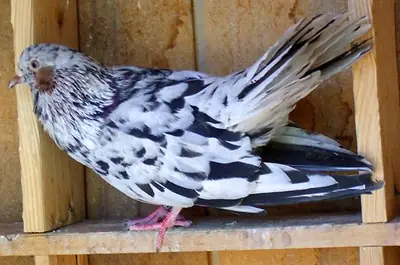
The Oriental Roller is a domesticated breed of pigeon originating from the Middle East, specifically Turkey, where they were initially developed for their remarkable aerial performances. These pigeons are medium-sized, typically weighing between 300 to 400 grams and standing around 30 to 35 cm in height. The breed is known for its striking plumage, which can come in a variety of colors including white, black, blue, and patterned combinations.
Due to their performance breeding, Oriental Rollers are characterized by a unique ability to roll while flying, a trait that has been refined over generations. The lifespan of an Oriental Roller pigeon can range from 8 to 15 years, depending on care and health management. It’s important to note that these birds may be confused with other breeds such as the Common Pigeon or the Birmingham Roller, but their distinct rolling behavior and body structure set them apart.
| Trait | Typical Value | Why It Matters to an Adopter |
|---|---|---|
| Origin | Turkey | Understanding origin helps appreciate their breeding purpose. |
| Size | 30-35 cm height | Size affects housing and enclosure requirements. |
| Weight | 300-400 grams | Weight impacts health and care needs. |
| Lifespan | 8-15 years | Knowing lifespan aids in planning long-term care. |
| Coat Colors | Various (white, black, blue) | Color preference can influence adoption choices. |
2. Temperament & Instincts
The Oriental Roller is known for its friendly and sociable temperament. These pigeons have been selectively bred not only for their rolling capabilities but also for their interaction with humans and other birds. They tend to be curious and enjoy exploring their environment, which makes them engaging companions. Their sociability means they thrive in flocks and should ideally be kept with other pigeons or birds to prevent loneliness and stress.
3. Daily Activity / Exercise Needs by Life Stage
| Life Stage | Target Activity | Notes |
|---|---|---|
| Chick (0-3 months) | 30 minutes of supervised flight | Encourages muscle development and coordination. |
| Juvenile (3-6 months) | 1 hour of flight daily | Essential for developing strong flight muscles. |
| Adult (6 months+) | 1-2 hours of free flight | Maintains health and satisfies natural instincts. |
4. Purchase/Adoption Price Framework
| Region | Price Range (USD) | Notes |
|---|---|---|
| United States | $50 - $150+ | Prices vary based on breeder reputation and lineage. |
| Europe | €40 - €120+ | Health-tested birds may be priced higher. |
| Asia | $30 - $100+ | Local breeds may be less expensive. |
5. First-Year Setup + Monthly Running Cost
| Item | Cost (USD) | Notes |
|---|---|---|
| Cage/aviary setup | $100 - $300 | Depends on size and design; more space is preferable. |
| Food (per month) | $20 - $40 | Quality seed mix is essential for health. |
| Health check/vaccines | $50 - $100 | Annual check-ups are recommended. |
| Enrichment toys | $30 - $60 | Provides mental stimulation and prevents boredom. |
| Total First Year Range | $300 - $600+ | Consider ongoing costs for food and care. |
6. Nutrition by Life Stage
| Life Stage | Diet Type | Notes |
|---|---|---|
| Chick (0-3 months) | High-protein starter mix | Supports growth and development. |
| Juvenile (3-6 months) | Balanced seed mix | Nutrient-rich for active growth. |
| Adult (6 months+) | Maintenance diet | Focus on balanced nutrition for health. |
7. Grooming / Coat & Hygiene Care
Oriental Rollers have smooth feathers that require minimal grooming compared to other breeds. Regular checks for dirt and parasites are essential, particularly in the spring and summer months when they are more active. Providing a dust bath can help keep their feathers clean and healthy, as it allows them to remove excess oils and debris. Regularly cleaning their living space is crucial to prevent disease and maintain a healthy environment.
Be sure to monitor their beak and feet for any signs of injury or abnormal growths, which are common issues in many pigeon breeds. Regularly trimming their nails may also be necessary to prevent overgrowth and related issues.
8. Health
- Respiratory issues (e.g., avian influenza)
- Opthalmic problems (e.g., conjunctivitis)
- Digestive disorders (e.g., canker)
- Feather plucking and skin issues
Oriental Rollers are generally hardy, but they can be susceptible to certain health conditions. Ethical breeders and reputable shelters should conduct screenings for diseases like avian influenza and canker. Regular veterinary check-ups can help detect issues early, and costs for veterinary visits can range from $50 to $150 depending on the service provided. Monitoring their health closely can prevent many common issues.
9. Training / Behaviour Priorities
While pigeons are not typically trained like dogs, they can learn to recognize their names and respond to call signals. Socializing them from a young age is vital, as it helps them adapt to human interaction and reduces stress. Providing positive reinforcement through treats can encourage desirable behaviors. It’s also important to teach them to return to their coop safely, which is best achieved through routine and gradual training sessions.
Creating a safe space for them to fly and explore is crucial. Training should focus on building trust and ensuring they feel secure in their environment. This approach not only enhances their comfort but also fosters a healthy bond between the bird and its owner.
10. Home Environment Fit
Oriental Rollers can adapt well to both indoor and outdoor environments, provided they have sufficient space to fly. An aviary is ideal, as it allows for free movement and exercise. If housed indoors, ensure that they have access to a safe outdoor area for supervised flight. These birds are generally good with other pigeons and can coexist with small pets, but care should be taken when introducing them to new animals.
While they can live harmoniously with children, it’s essential to supervise interactions to avoid stress for both parties. They are not known to be aggressive, but they may become anxious if handled improperly. A calm and gentle approach is key when interacting with these birds.
11. Lifestyle Fit Matrix
| Lifestyle | Fit Verdict | Reason |
|---|---|---|
| Active families | Good | Enjoys social interaction and space for flight. |
| Busy professionals | Moderate | Requires daily attention and care; may need a pet sitter. |
| Apartment dwellers | Moderate | Can adapt if given enough flight space and stimulation. |
| Retirees | Good | Can provide companionship and easy care. |
12. Breeder / Shelter / Adoption Checklist
- Verify the breeder’s reputation or shelter’s ethics.
- Ask for health screening documentation.
- Inquire about the bird’s lineage and temperament.
- Inspect living conditions before adoption.
- Request information on diet and care routines.
- Evaluate the bird’s socialization and flight history.
13. FAQ
Do Oriental Roller pigeons require a lot of space?
Yes, they need ample space to fly and exercise. An aviary or a large cage with enough room for flight is ideal to keep them healthy and happy.
What do Oriental Roller pigeons eat?
They thrive on a balanced diet of seed mixes, grains, and occasional fresh fruits or vegetables. Ensuring their diet is nutritious is critical for their overall health.
Are Oriental Rollers noisy?
Oriental Rollers are generally not excessively noisy, but they can vocalize, especially when excited or during breeding season. Their sounds are usually soft coos rather than loud calls.
How can I tell if my Oriental Roller is healthy?
Look for signs of good health such as clear eyes, smooth feathers, and active behavior. Regular veterinary check-ups can help monitor their health and catch any potential issues early.
Can Oriental Rollers be trained?
While they aren’t trained like dogs, they can learn to respond to their names and follow basic commands. Positive reinforcement techniques can be effective in encouraging desired behaviors.
14. 2026 Notes and Closing Verdict
As of 2026, the Oriental Roller continues to be a popular breed among pigeon enthusiasts due to their unique flying abilities and sociable nature. They require dedicated care and attention, making them a suitable choice for individuals or families willing to invest time in their daily needs.
In summary, the Oriental Roller is a delightful breed for those looking for an engaging bird companion. They do best in environments where they can socialize, fly, and thrive. However, potential adopters should ensure they are ready for the commitment required to keep these fascinating pigeons happy and healthy.