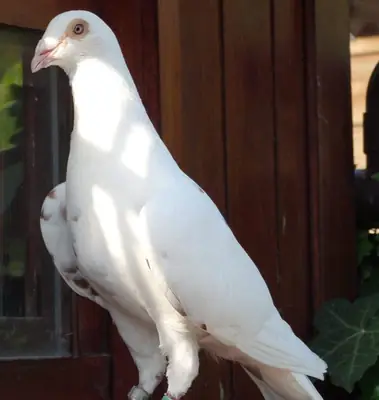
Racing Pigeon Characteristics: 2026 Guide to Temperament, Cost, Health & Care
The Racing Pigeon, renowned for its remarkable speed and homing ability, has a rich history intertwined with human companionship. These birds, often seen soaring gracefully in the sky, have specific care requirements and health considerations that potential adopters should understand before bringing one home.
1. Breed Identity & Standards
The Racing Pigeon, or Columba livia domestica, is a domesticated subspecies of the rock pigeon, primarily bred for its exceptional ability to return home over long distances. Originating from Europe and the Middle East, these birds have been used for centuries in racing and messaging due to their innate navigational skills. Typically, Racing Pigeons measure between 9 to 13 inches in height and weigh between 400 to 600 grams (about 0.9 to 1.3 pounds). Their plumage can vary widely, with colors ranging from white to various shades of blue, black, and brown, often featuring distinctive patterns. The average lifespan of a Racing Pigeon is around 10 to 15 years, although some may live beyond this with proper care.
| Trait | Typical Value | Why It Matters |
|---|---|---|
| Height | 9 to 13 inches | Size influences housing needs and flight capabilities. |
| Weight | 400 to 600 grams | Health monitoring is crucial; overweight pigeons may struggle to fly. |
| Lifespan | 10 to 15 years | Long-term commitment; potential owners should plan for this time. |
| Coat Varieties | White, blue, black, brown, patterned | Variety adds uniqueness; breed pedigree may affect appearance. |
| Common Confusions | Homers, Utility Pigeons | Understanding differences helps in selecting the right pigeon for racing. |
2. Temperament & Instincts
Racing Pigeons are known for their intelligence and strong homing instincts, traits that have been selectively bred for generations. Their natural behaviors include a high energy level and a strong drive to fly, which makes them less suited for confined spaces. These birds thrive on social interaction, often forming strong bonds with their human caregivers. Unlike some pet birds that may become overly dependent, Racing Pigeons tend to retain a degree of independence, often displaying curiosity and a playful nature.
This breed's high energy means they require regular exercise, ideally through free flight, which not only keeps them physically fit but also stimulates their mental health. Owners should be prepared to provide an environment that encourages exploration and socialization, as these birds are generally friendly and enjoy the company of their own kind as well as humans.
3. Daily Activity / Exercise Needs
| Life Stage | Target Activity | Notes |
|---|---|---|
| Young (<1 year) | 2 hours of free flight daily | Essential for developing flight muscles and navigation skills. |
| Adult (1-5 years) | 1-2 hours of free flight or racing | Regular exercise maintains fitness and instinctual behaviors. |
| Senior (>5 years) | 1 hour of gentle exercise | Monitor for fatigue; adjust flight duration accordingly. |
4. Purchase/Adoption Price Framework
| Region | Typical Price Range | Notes |
|---|---|---|
| United States | $50 - $200+ | Prices vary based on pedigree and training level. |
| United Kingdom | £30 - £150+ | Higher costs for proven racing lineage. |
| Canada | C$60 - C$250+ | Availability of racing clubs can influence cost. |
| Australia | A$40 - A$180+ | Breeder reputation affects pricing significantly. |
5. First-Year Setup + Monthly Running Cost
| Expense | Estimated Cost | Notes |
|---|---|---|
| Initial Purchase | $50 - $200+ | Depending on breeder and pedigree. |
| Housing Setup | $100 - $500 | Includes aviary or cage; larger space is preferred. |
| Food (monthly) | $20 - $50 | High-quality pigeon feed; adjust based on activity level. |
| Veterinary Care (annual) | $100 - $300 | Routine check-ups, vaccinations, and potential treatments. |
| Monthly Supplies | $10 - $30 | Includes cleaning supplies and enrichment items. |
Annual total estimate: $500 - $1,200+
6. Nutrition by Life Stage
| Life Stage | Dietary Needs | Notes |
|---|---|---|
| Young (<1 year) | High protein; grain-based | Supports growth and muscle development. |
| Adult (1-5 years) | Balanced diet; pellets and seeds | Maintain energy levels; consider racing needs. |
| Senior (>5 years) | Lower protein; easy-to-digest foods | Prevents obesity and supports health. |
7. Grooming / Coat & Hygiene Care
Racing Pigeons have relatively low grooming needs compared to other pets. They require a clean environment, which includes regular cleaning of their aviary or cage to prevent disease. Bathing opportunities, such as shallow water baths, are essential for feather maintenance and overall cleanliness. Owners should monitor their pigeons for signs of mites or other parasites, as these can affect their health and feather quality.
Beak and nail trimming may be needed occasionally, especially if they are kept in a confined space. Regular health checks can help identify any issues early, allowing for prompt veterinary care.
8. Health
Racing Pigeons are generally robust, but they can be predisposed to certain health conditions. Common health issues include:
- Respiratory infections (e.g., Avian Influenza)
- Paramyxovirus
- Colibacillosis
- Canine Parvovirus
- Psittacosis
Ethical breeders and shelters should provide health screenings and any vaccinations that have been administered. Routine veterinary care can help manage and prevent these conditions, with typical costs for treatments ranging from $100 to $500 depending on the condition and necessary interventions.
9. Training / Behaviour Priorities
Training Racing Pigeons involves socialization and flight conditioning. Young pigeons should be gradually introduced to their environment and other birds to develop confidence. Basic handling and recall training are essential, particularly for racing purposes. Owners should ensure that pigeons are familiar with their home location, as this will enhance their homing capabilities.
Behaviors such as pecking or aggression can be redirected through positive reinforcement training techniques. Regular interaction with humans can help foster a trusting relationship, making handling easier and reducing stress during routine care.
10. Home Environment Fit
Racing Pigeons require a spacious and safe environment to thrive. A dedicated aviary or a large cage with ample room for flight is essential. They can adapt to outdoor aviaries, which provide natural sunlight and fresh air. However, protection from predators is crucial, as they can be vulnerable to various threats.
These pigeons are typically social and can coexist with other birds, but caution should be taken when introducing them to new species. While they may get along with pets like dogs and cats, supervision is necessary, especially in the initial interactions.
11. Lifestyle Fit Matrix
| Lifestyle | Fit Verdict | Reason |
|---|---|---|
| Active Owner | Good | Enjoys regular exercise and outdoor time with the pigeon. |
| Busy Professional | Moderate | May struggle to provide necessary daily exercise; consider scheduling. |
| Family with Kids | Good | Can provide social opportunities and supervision for interaction. |
| Urban Dweller | Poor | Limited space may restrict free flight and socialization. |
12. Breeder / Shelter / Adoption Checklist
- Verify the breeder's or shelter's reputation and experience with Racing Pigeons.
- Ask about health screenings and vaccination records.
- Inquire about the pigeon's lineage and training history.
- Assess the living conditions of the pigeons before adoption.
- Request information on diet and care provided by the breeder or shelter.
- Ensure a commitment to ongoing support and advice post-adoption.
13. FAQ
What is the lifespan of a Racing Pigeon?
The average lifespan of a Racing Pigeon is between 10 to 15 years, though some may live longer with proper care. Regular veterinary check-ups and a healthy diet can contribute to a longer life.
Do Racing Pigeons require training?
Yes, Racing Pigeons require training to develop their flying skills and homing instincts. Young birds should be socialized and gradually introduced to outdoor flying to enhance their performance.
How much do Racing Pigeons cost?
The price of Racing Pigeons varies widely, typically ranging from $50 to $200+ depending on factors such as pedigree and training. Purchasing from reputable breeders may incur higher costs.
Can Racing Pigeons live indoors?
While Racing Pigeons can be kept indoors, they require ample space for flight and social interaction. An outdoor aviary is preferable to meet their exercise and social needs.
Are Racing Pigeons good pets for families?
Yes, Racing Pigeons can be excellent pets for families, particularly those who can provide the necessary space and social interaction. They are generally friendly and sociable, making them suitable companions.