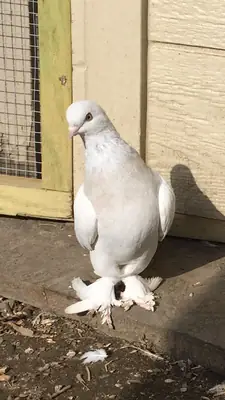
Tumbler Pigeon 2026: Behavior, Health Concerns, and Adoption Costs Unveiled
The Tumbler Pigeon is renowned for its acrobatic flight and historical significance in pigeon fancying. With a diverse range of coat colors and distinctive tumbling behavior, these pigeons are a unique choice for avian enthusiasts. However, potential adopters should be aware of specific health concerns and care requirements associated with this breed.
1. Breed Identity & Standards
The Tumbler Pigeon is a captivating member of the pigeon family, known for its aerial acrobatics. Originating from regions such as India and the Middle East, these pigeons were bred for their tumbling flight patterns, which involve rolling or flipping in the air. Today, they are popular among pigeon fanciers worldwide for both their performance and distinctive looks.
| Trait | Typical Value | Why it Matters |
|---|---|---|
| Origin Country | India, Middle East | Breeding history influences behavior and care needs. |
| Size | Medium (300-400 grams) | Appropriate housing and aviary setup are essential. |
| Coat Varieties | Diverse colors, often bicolored or pied | Color can influence show quality and breeding preferences. |
| Lifespan | 10-15 years | Long-term commitment required for care and companionship. |
2. Temperament & Instincts
Tumbler Pigeons are known for their vibrant energy and playful nature, which is a direct result of their historical breeding for aerial performance. These birds are often very interactive and can become quite attached to their human caregivers, exhibiting a moderate degree of sociability. Despite their independent streak, they thrive on regular interaction and can be quite vocal, cooing frequently.
Their natural instincts make them curious explorers, often engaging in behaviors that showcase their agility and intelligence. This breed can be prone to occasional nervousness, especially in unfamiliar environments, so a calm and stable habitat is ideal for reducing stress and encouraging their playful antics.
3. Daily Activity / Exercise Needs
| Life Stage | Target | Notes |
|---|---|---|
| Juvenile | 1-2 hours of free flight | Encourages muscle development and coordination. |
| Adult | 2-3 hours of exercise | Maintains health and supports mental stimulation. |
| Senior | 1-2 hours of gentle activity | Adjust for declining energy and mobility. |
4. Purchase/Adoption Price Framework
| Source | Cost Range (USD) | Notes |
|---|---|---|
| Breeder | $50 - $150+ | High-end if show-quality or rare color variants. |
| Adoption | $20 - $50 | Lower cost but may have fewer pedigree details. |
5. First-Year Setup + Monthly Running Cost
| Item | Cost (USD) | Notes |
|---|---|---|
| Aviary Setup | $200 - $500 | Initial setup for space and safety. |
| Food & Supplements | $10 - $20/month | Quality grain mixes and occasional fresh produce. |
| Veterinary Care | $50 - $200/year | Routine check-ups and potential treatments. |
Total first-year cost: $470 - $970
6. Nutrition by Life Stage
| Life Stage | Diet | Notes |
|---|---|---|
| Juvenile | High-protein grain mix | Supports growth and feather development. |
| Adult | Balanced seed and grain diet | Ensures energy for flight and daily activity. |
| Senior | Easy-to-digest grains | Monitor for changes in appetite. |
7. Grooming / Coat & Hygiene Care
Tumbler Pigeons require regular grooming to maintain their plumage in optimal condition. While they groom themselves naturally, providing a shallow bath in their aviary can help them keep their feathers clean and healthy. Regular observation for any feather damage or parasites is essential, as these can affect their flight abilities and overall health.
Since these pigeons are active and enjoy flight, keeping their nails and beak in check is necessary to prevent overgrowth, which can impede their daily activities. Routine checks and occasional trimming by a professional are recommended.
8. Health
- Coccidiosis
- Paramyxovirus
- Respiratory Infections
Tumbler Pigeons, like other pigeons, can be prone to various health issues. Coccidiosis, a parasitic disease, can affect their digestive system, while Paramyxovirus can lead to neurological symptoms. Respiratory infections are also common, especially in poorly ventilated environments. Veterinary costs can vary, but regular health checks and vaccinations can mitigate many risks.
9. Training / Behavior Priorities
Training a Tumbler Pigeon involves patience and understanding of their natural tendencies. Socialization is crucial from a young age to ensure they are comfortable around people and other birds. Encouraging their natural instinct to tumble in flight can be part of their exercise routine, but ensuring they return safely to their aviary is equally important.
Handling should be gentle and consistent to build trust, and positive reinforcement can be used to encourage desired behaviors. Pigeons are intelligent, and with time, they can learn to respond to cues and commands, enhancing their bond with their owner.
10. Home Environment Fit
Tumbler Pigeons can adapt well to both urban and rural environments, provided they have enough space to fly and exercise. A secure aviary is crucial, especially in urban areas to protect them from predators and environmental hazards. These birds are social and benefit from interaction with other pigeons or their human caretakers.
While they can coexist with other birds, care should be taken to ensure compatibility, as some species may not tolerate their active nature. Their vocalizations are pleasant and typically not disruptive, making them suitable for apartment living as long as they have adequate space and stimulation.
11. Lifestyle Fit Matrix
| Lifestyle | Fit Verdict | Reason |
|---|---|---|
| Urban Apartment Dweller | Good | Manageable noise levels and adaptable to indoors. |
| Country Home with Aviary | Excellent | Plenty of space for flight and social interaction. |
| Busy Professional | Moderate | Requires dedicated time for interaction and care. |
12. Breeder / Shelter / Adoption Checklist
- Verify the health history of the pigeon.
- Ensure the pigeon is vaccinated against common diseases.
- Observe the bird's behavior and interaction with humans.
- Check the condition of the plumage and overall appearance.
- Request information on the pigeon’s lineage if from a breeder.
- Confirm the bird’s age and any specific care needs.
13. FAQ
Do Tumbler Pigeons require special housing?
Yes, Tumbler Pigeons need a secure aviary with enough space to fly and exercise. The aviary should be well-ventilated and protected from predators. Proper housing is essential for their health and well-being.
Are Tumbler Pigeons noisy?
While they are vocal, Tumbler Pigeons are not typically considered noisy. Their cooing is gentle and pleasant, making them suitable for various living environments, including apartments.
What should I feed my Tumbler Pigeon?
A balanced diet of grains and seeds is essential, supplemented occasionally with fruits and vegetables. Ensuring fresh water and a diet appropriate for their life stage will support their health and vitality.
How long do Tumbler Pigeons live?
With proper care, Tumbler Pigeons can live between 10 to 15 years. Regular health check-ups, a balanced diet, and a safe environment contribute to their longevity.
14. Closing Verdict
For those captivated by the unique flight abilities and charming nature of pigeons, the Tumbler Pigeon offers a rewarding experience. They are well-suited to both urban and rural settings, provided they have the space and care required to thrive. Potential adopters should be ready for a long-term commitment, as these birds can be companions for over a decade. Consider adopting from a shelter if you're looking for a more economical and ethical choice.