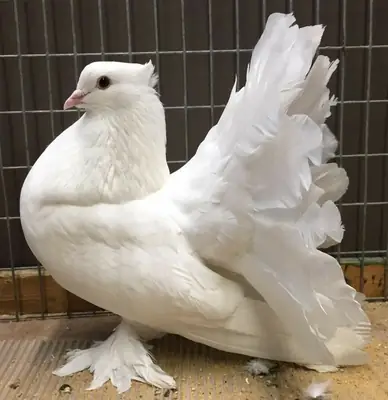
Turkish Tumbler: The Definitive Guide to Traits, Care, and Costs in 2026
The Turkish Tumbler, known as Türk Taklacı, is a captivating breed of pigeon with a rich history and distinctive acrobatic abilities. Renowned for their remarkable tumbling flight pattern, these birds are not just visually striking but also require specific care and attention to thrive as pets. Understanding their unique traits, health predispositions, and lifestyle needs is essential for potential adopters.
1. Breed Identity & Standards
The Turkish Tumbler originated in Turkey, where it was bred for its incredible aerial displays and tumbling abilities. Historically, these pigeons were used in competitions and exhibitions, showcasing their skillful maneuvers. Typically, a Turkish Tumbler measures between 28 to 32 cm in height, with a weight range of 300 to 400 grams. They exhibit a variety of feather colors and patterns, including white, black, blue, and red.
The lifespan of a Turkish Tumbler averages between 5 to 15 years, depending on their health care and living conditions. Some breeds that may be confused with the Turkish Tumbler include the American Tumbler and the Birmingham Roller, both of which possess similar tumbling traits but differ in body structure and feather types.
| Trait | Typical Value | Why It Matters |
|---|---|---|
| Origin | Turkey | Reflects their historical breeding purpose for aerial displays. |
| Height | 28-32 cm | Size impacts housing and space requirements. |
| Weight | 300-400 grams | Weight influences care, diet, and health monitoring. |
| Coat Colors | White, black, blue, red | Diverse colors can affect aesthetic appeal for owners. |
| Lifespan | 5-15 years | Understanding lifespan helps in planning care and medical needs. |
2. Temperament & Instincts
The Turkish Tumbler is known for its lively and playful demeanor. These pigeons exhibit a strong instinct to tumble, a behavior that is not only entertaining but also a result of selective breeding for aerial performance. Their high energy levels require ample space to fly and exercise, making them unsuitable for small or confined environments. While they are generally sociable, they may exhibit a degree of independence, often preferring to engage in their aerial antics rather than seeking constant human interaction.
3. Daily Activity / Exercise Needs
| Life Stage | Target Activity | Notes |
|---|---|---|
| Young (< 1 year) | 60-90 minutes of flight | Young Tumblers need ample room to develop their flight and tumbling capabilities. |
| Adult (1-5 years) | 90-120 minutes of flight | Regular flying is crucial for muscle development and overall health. |
| Senior (> 5 years) | 30-60 minutes of gentle flight | Older birds may require less strenuous activity but still benefit from flying. |
Providing a large aviary or free flight space is essential for Turkish Tumblers, as their natural instincts drive them to fly and tumble. Without sufficient exercise, they may become bored, leading to unwanted behaviors such as feather plucking or aggression.
4. Purchase/Adoption Price Framework
| Region | Price Range | Notes |
|---|---|---|
| United States | $50 - $150+ | Prices vary based on pedigree and breeding history. |
| United Kingdom | £40 - £100+ | Health-tested lines may cost more. |
| Turkey | ₺200 - ₺500+ | Local breeders often have a wider variety. |
| Europe | €30 - €120+ | Adoption fees from shelters are generally lower. |
Adopting a Turkish Tumbler can be a rewarding experience, yet it is important to research reputable breeders or rescue organizations to ensure a healthy bird. Prices can vary significantly based on lineage and health testing, with pedigree birds often commanding higher costs.
5. First-Year Setup + Monthly Running Cost
| Expense | Initial Cost | Monthly Cost |
|---|---|---|
| Aviary setup | $200 - $600 | - |
| Food and supplements | - | $20 - $40 |
| Veterinary care (vaccines, check-ups) | $50 - $150 | $10 - $30 |
| Enrichment toys and perches | $30 - $100 | $5 - $15 |
| Miscellaneous (bedding, cleaning supplies) | $20 - $50 | $5 - $10 |
Estimated first-year total: $300 - $900+
Estimated monthly total: $40 - $100+
Understanding the financial commitment required for a Turkish Tumbler is crucial for prospective owners. Initial setup costs can be higher due to the need for appropriate housing and equipment, while ongoing monthly expenses are relatively manageable.
6. Nutrition by Life Stage
| Life Stage | Dietary Needs | Notes |
|---|---|---|
| Young (< 1 year) | High-protein pellets and seeds | Supports growth and development. |
| Adult (1-5 years) | Balanced diet with seeds and grains | Maintains health and energy levels. |
| Senior (> 5 years) | Lower-calorie options; high fiber | Supports weight management and digestive health. |
Providing the right diet is essential for the Turkish Tumbler's overall health. Young birds require higher protein to support their growth, while adults need a balanced diet to maintain energy levels. Seniors may require dietary adjustments to manage weight and promote digestive health.
7. Grooming / Coat & Hygiene Care
Turkish Tumblers have a smooth feather coat that requires minimal grooming. Regular checks for dirt and debris are advisable, particularly around the vent area. It's also important to provide a clean living environment to prevent the risk of diseases. Bathing should be done occasionally with lukewarm water, as it helps maintain feather quality and overall hygiene.
8. Health
While Turkish Tumblers are generally hardy birds, they are predisposed to certain health conditions. Ethical breeders and shelters should conduct health screenings and provide documentation to potential owners. Common health concerns include:
- Respiratory issues (due to environmental stress)
- Feather plucking (often linked to stress or boredom)
- Obesity (especially in sedentary birds)
- Gout (related to diet and hydration)
Veterinary costs can vary, but expect to budget approximately $50 - $150 for routine health checks and treatments. It is advisable to establish a relationship with an avian veterinarian to ensure the best care for your Turkish Tumbler.
9. Training / Behaviour Priorities
Training a Turkish Tumbler involves socialization as well as building trust. Early socialization with various environments and handling can help prevent behavioral issues later on. These birds thrive on routine, so establishing a consistent daily schedule for feeding and exercise is beneficial.
10. Home Environment Fit
11. Lifestyle Fit Matrix
| Lifestyle | Fit Verdict | Reason |
|---|---|---|
| Active family | Good | High energy levels match family dynamics. |
| Busy professionals | Moderate | Requires commitment for care and exercise. |
| Apartment dwellers | Poor | Need ample flying space, unsuitable for small spaces. |
| Bird enthusiasts | Excellent | Perfect for those who appreciate avian agility and behavior. |
12. Breeder / Shelter / Adoption Checklist
- Verify the breeder/shelter's reputation and reviews.
- Request health documentation for the bird.
- Assess the living conditions of the birds.
- Ask about the bird's lineage and breeding practices.
- Inquire about socialization and behavior history.
- Ensure a return policy in case of compatibility issues.
13. FAQ
Do Turkish Tumblers need a lot of space?
Yes, Turkish Tumblers require ample space to fly and exercise. A large aviary or flight cage is essential to accommodate their energetic nature.
Are Turkish Tumblers good pets for beginners?
While they can be kept as pets, Turkish Tumblers require proper care and commitment. Beginners should ensure they have adequate resources and knowledge about pigeon care.
What dietary needs do Turkish Tumblers have?
Turkish Tumblers require a balanced diet rich in seeds and grains, with higher protein levels for young birds. Seniors may need lower-calorie diets to manage weight.
Can Turkish Tumblers live indoors?
While they can be kept indoors, they should have access to outdoor flying space regularly. Indoor living without adequate exercise can lead to behavioral issues.
How often should I take my Turkish Tumbler to the vet?
Routine health checks should be conducted at least once a year, with additional visits as needed for any health concerns or issues.