Vienna Highflyer Characteristics: A Comprehensive Guide
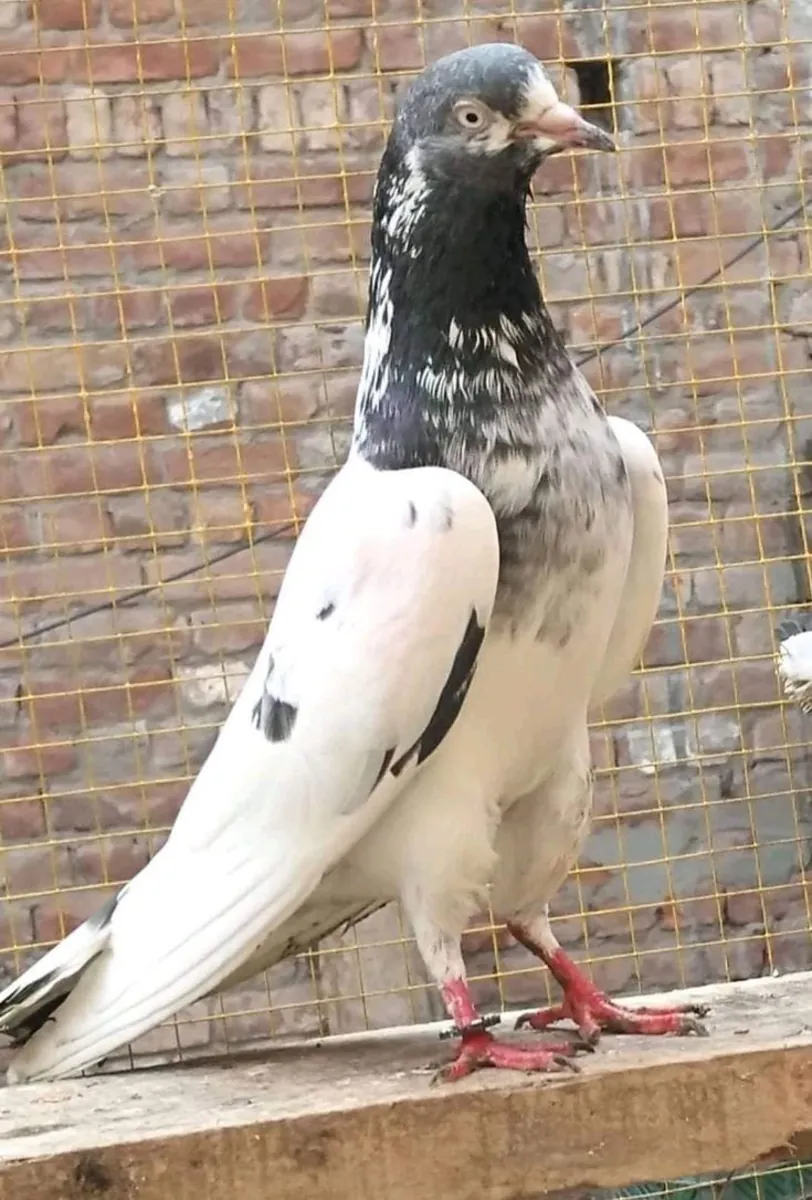
The Vienna Highflyer, or Viyana Yüksek Uçan, is a unique breed of pigeon known for its remarkable flying ability and distinct appearance. With a history rooted in performance and exhibition, this breed exhibits both charm and complexity, making it an interesting choice for avian enthusiasts and potential adopters alike.
1. Breed Identity & Standards
The Vienna Highflyer originated in Austria, specifically in Vienna, where it was bred for its exceptional flying skills and beauty. These pigeons were historically used for competitive flying and have evolved into a popular show breed. Typically, a mature Vienna Highflyer weighs between **300 to 500 grams** and stands about **28 to 30 centimeters** tall. Their plumage can come in various colors, including white, blue, and black, with some sporting unique patterns. The lifespan of a Vienna Highflyer can reach up to **10 to 15 years**, given proper care.
| Trait | Typical Value | Why It Matters to an Adopter |
|---|---|---|
| Origin | Austria | Understanding the breed's history can help in providing appropriate care. |
| Weight | 300-500 grams | Weight influences health management and dietary needs. |
| Height | 28-30 cm | Height affects housing space requirements. |
| Lifespan | 10-15 years | Longer lifespan indicates a commitment to care over many years. |
| Coat Varieties | Various colors & patterns | Aesthetic preferences may influence adoption choices. |
2. Temperament & Instincts
The Vienna Highflyer is known for its lively and sociable nature. Originally bred for competition, these pigeons display a high level of activity and a strong instinct to fly. They are typically not overly aggressive, making them easier to manage in a home environment. Their sociable temperament means they thrive in the company of other pigeons, so it's often beneficial to keep them in pairs or small groups. However, their strong flight instinct can lead them to roam if not adequately contained.
3. Daily Activity / Exercise Needs by Life Stage
| Life Stage | Target Activity | Notes |
|---|---|---|
| Juvenile | 1-2 hours of free flight | Essential for developing flight skills and physical health. |
| Adult | 2-4 hours of free flight | Regular exercise is crucial for maintaining muscle tone and avoiding obesity. |
| Senior | 1-2 hours of moderate activity | Reduced activity may be needed due to age-related health issues. |
4. Purchase/Adoption Price Framework
| Region | Typical Price Range | Notes |
|---|---|---|
| North America | $50 - $150+ | Prices vary based on lineage and breeder reputation. |
| Europe | €30 - €100+ | Exhibitors may charge more for show-quality birds. |
| Asia | $40 - $120+ | Availability may vary; local regulations can affect prices. |
5. First-Year Setup + Monthly Running Cost
| Item | One-Time Cost | Monthly Cost |
|---|---|---|
| Cage & Perches | $100 - $300 | N/A |
| Feeding Supplies | $30 - $50 | $20 - $30 |
| Health Care (Vaccines, Vet Check) | $50 - $100 | $5 - $15 |
| Enrichment Toys | $20 - $50 | $5 - $10 |
| Total First-Year Cost | $200 - $500 | $30 - $55 |
6. Nutrition by Life Stage
| Life Stage | Diet Type | Notes |
|---|---|---|
| Juvenile | High-protein pellets | Supports growth and development. |
| Adult | Balanced seed mix | Maintains health and energy levels. |
| Senior | Low-fat diet | Prevents obesity and related health issues. |
7. Grooming / Coat & Hygiene Care
Vienna Highflyers generally require minimal grooming due to their short feathers, but regular checks for feather cleanliness and skin health are important. Owners should ensure their housing is clean, as a dirty environment can lead to health issues. Bathing is not commonly needed, but providing accessible water for bathing can help them maintain feather condition. Regularly inspecting beaks and feet is also essential to prevent potential health problems.
8. Health
Vienna Highflyers can be predisposed to several health conditions, including:
- **Respiratory infections** - Common in poorly ventilated environments.
- **Bacterial infections** - May occur if hygiene is not maintained.
- **Obesity** - A risk due to their appetite and lack of exercise.
Ethical breeders and shelters typically test for common diseases, including respiratory infections and general health screenings. Veterinary costs for regular check-ups can range from **$30 to $100**, depending on the location and specific services provided.
9. Training / Behaviour Priorities
Training a Vienna Highflyer primarily involves socialization and acclimatization to the environment. Early exposure to various stimuli is crucial; this can include different sounds and changes in surroundings. Establishing a routine feeding and flying schedule helps reinforce good behavior. Owners should ensure that the pigeons are handled gently to foster trust and reduce stress. Providing positive reinforcement during training sessions can also be beneficial.
10. Home Environment Fit
The Vienna Highflyer is well-suited for homes with adequate flying space. An aviary or spacious cage is ideal, allowing for free flight and exercise. They can coexist with other birds but may require supervision to prevent territorial disputes. While they can adapt to indoor living, access to an outdoor aviary is highly beneficial for their physical and mental well-being. Given their sociable nature, they are best kept in pairs or small groups, which helps to mitigate loneliness.
11. Lifestyle Fit Matrix
| Lifestyle | Fit Verdict | Reason |
|---|---|---|
| Active families | Good | They thrive with interaction and space for exercise. |
| Busy individuals | Moderate | Needs consistent attention to prevent boredom. |
| Retirees | Good | Can enjoy companionship without excessive demands. |
| First-time bird owners | Moderate | Requires some learning about care and training. |
12. Breeder / Shelter / Adoption Checklist
- Research the breeder's or shelter's reputation.
- Ask about the bird's health history and vaccinations.
- Inquire about socialization practices during the early life stage.
- Request to see the living conditions of the pigeons.
- Confirm the availability of necessary equipment for care.
- Understand the return policy in case of adoption issues.
13. FAQ
What is the typical lifespan of a Vienna Highflyer?
The Vienna Highflyer typically lives between **10 to 15 years**, provided they receive proper care and a healthy environment.
Do Vienna Highflyers require special diets?
Yes, Vienna Highflyers require a balanced diet that varies by life stage, including high-protein pellets for juveniles and a balanced seed mix for adults.
Are Vienna Highflyers noisy birds?
While they can be vocal, their noise level is generally moderate compared to other birds. They communicate through cooing and can be quite social.
Can they be kept in pairs?
Absolutely, Vienna Highflyers thrive in pairs or small groups, which helps prevent loneliness and promotes their natural social behavior.
14. Conclusion
In the year 2026, as more bird enthusiasts look towards unique breeds like the Vienna Highflyer, potential adopters should consider their active lifestyle and social needs. This breed is well-suited for those who can provide a stimulating environment and ample flying space. However, individuals with limited time for interaction may find their needs challenging. Overall, the Vienna Highflyer offers a rewarding experience for those willing to commit to their care and companionship.