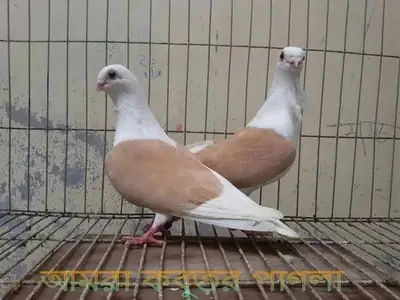
The Vienna Tumbler: A 2026 Guide to Temperament, Health, and Ownership Costs
The Vienna Tumbler is a unique breed of pigeon known for its acrobatic flying skills and charming personality. Originally bred in Austria for show and performance, these birds possess striking physical traits and require specific care to thrive in domestic environments.
1. Breed Identity & Standards
The Vienna Tumbler, originating from Austria, was first bred for its exceptional tumbling and aerial performance. These birds typically weigh between 250 to 400 grams and stand about 30 to 35 cm tall. Their plumage can vary widely, featuring colors like white, black, blue, and red, often adorned with intricate patterns. The breed is distinguished from similar tumbler breeds by its unique flight style and body structure, which is compact and muscular, aiding in their impressive aerial displays. The average lifespan of a Vienna Tumbler is around 10 to 15 years, assuming proper care and nutrition.
| Trait | Typical Value | Why It Matters to an Adopter |
|---|---|---|
| Origin | Austria | Understanding the breed's origin helps in appreciating its characteristics and needs. |
| Weight | 250-400 grams | Weight influences care requirements and flight ability. |
| Height | 30-35 cm | Height can affect housing options and space needs. |
| Lifespan | 10-15 years | Knowing lifespan aids in planning for long-term care. |
| Color Varieties | White, Black, Blue, Red | Color and pattern variety can impact aesthetic preferences. |
2. Temperament & Instincts
The Vienna Tumbler is known for its playful and sociable nature, traits that stem from its history as a show and performance bird. These pigeons exhibit a high degree of intelligence and curiosity, making them interactive companions for those who enjoy engaging with their pets. They tend to be relatively vocal, often cooing and making various sounds, which can add a lively atmosphere to any home.
3. Daily Activity / Exercise Needs by Life Stage
Physical activity is crucial for the well-being of the Vienna Tumbler. They should have access to an outdoor aviary or a safe space where they can fly freely, which is essential for their physical health. The amount of exercise required may vary depending on their age and health status.
| Life Stage | Target | Notes |
|---|---|---|
| Chick (0-6 months) | 30-60 minutes | Daily flight time helps develop muscle and coordination. |
| Adult (6 months - 5 years) | 1-2 hours | Regular flight and interaction prevent boredom and stress. |
| Senior (5+ years) | 30-60 minutes | Moderate activity is essential; watch for signs of fatigue. |
4. Purchase/Adoption Price Framework
The price of a Vienna Tumbler can vary significantly depending on factors such as lineage, color, and breeder reputation. On average, you can expect to pay between $50 to $150 for a pet-quality bird, while show-quality birds can range from $200 to $500+. Rescue and adoption fees are typically lower, often around $25 to $75, depending on the shelter.
| Region | Typical Price Range (USD) | Notes |
|---|---|---|
| North America | $50-$150 | Prices vary by breeder and bird quality. |
| Europe | $40-$120 | European breeders may have different pricing based on local demand. |
| Australia | $60-$180 | Availability may be limited, affecting prices. |
5. First-Year Setup + Monthly Running Cost
Setting up a proper environment for a Vienna Tumbler is crucial for its health and happiness. Initial costs will include a spacious aviary or cage, food, and necessary veterinary care.
| Item | One-Time Cost (USD) | Monthly Cost (USD) |
|---|---|---|
| Aviary/Cage | $150-$500 | N/A |
| Food (pellets/seeds) | N/A | $20-$40 |
| Veterinary Care (initial checkup) | $50-$100 | N/A |
| Enrichment (toys, perches) | $30-$100 | $5-$15 |
| Health Checkups (annual) | N/A | $30-$60 |
The estimated first-year total setup cost can range from $250 to $700, while ongoing monthly expenses can amount to approximately $55 to $115.
6. Nutrition by Life Stage
The dietary needs of a Vienna Tumbler change as they age, requiring specific attention to their nutritional intake to promote health and longevity. A balanced diet primarily consists of high-quality pigeon pellets, supplemented with seeds, grains, and occasional fresh fruits and vegetables.
| Life Stage | Diet Type | Notes |
|---|---|---|
| Chick (0-6 months) | High-protein starter pellets | Essential for growth and development. |
| Adult (6 months - 5 years) | Balanced adult pellets | Supports maintenance and energy needs. |
| Senior (5+ years) | Low-fat pellets with supplements | Helps manage weight and health issues. |
7. Grooming / Coat & Hygiene Care
While pigeons like the Vienna Tumbler have relatively low grooming needs, maintaining hygiene is vital. Regular cleaning of the aviary is essential to prevent disease. Occasionally, birds may require baths or misting to keep their feathers in good condition and free from dander.
Beak and nail trimming may also be necessary if they do not wear down naturally through regular activity. Monitoring the bird's overall health, including feather condition and droppings, can help detect any potential health issues early on.
8. Health
The Vienna Tumbler is generally hardy, but like all breeds, they are predisposed to specific health concerns. Responsible breeders and shelters should provide health testing and screening for the following common conditions:
- Respiratory diseases
- Gout
- Feather plucking
- Digestive issues
Routine veterinary checks are recommended, especially for younger birds, to ensure they are developing normally. Costs for annual health check-ups can range from $30 to $60, depending on the veterinarian and location.
9. Training / Behaviour Priorities
Training a Vienna Tumbler primarily involves socialization and teaching them to adapt to their environment. It's important to handle them gently from a young age to foster trust. They can learn to recognize their names and respond to basic commands, enhancing the bond between bird and owner. Building a routine that includes daily interaction helps prevent behavioral issues, and providing enrichment activities can keep them mentally stimulated.
Consistent handling and positive reinforcement are key in training. While they may not require extensive training like some other pets, ensuring they are comfortable with human interaction is essential for a harmonious home.
10. Home Environment Fit
The Vienna Tumbler can adapt well to a home environment, but certain conditions must be met. They require ample space to fly and explore, which is best provided through a secure aviary or indoor cage that allows for flight practice. While they can coexist with other birds, proper introductions and monitoring are necessary to prevent territorial disputes.
Additionally, their playful nature makes them suitable for homes with older children who understand how to handle birds gently. They may not be ideal for households with small pets, as their instinctual prey drive could lead to stress or injury.
11. Lifestyle Fit Matrix
| Lifestyle | Fit Verdict | Reason |
|---|---|---|
| Active Individual | Good | Enjoys interaction and space for flight. |
| Busy Family | Moderate | Requires time for interaction but can adjust well. |
| Small Apartment | Poor | Limited space may hinder their flying needs. |
| Retired Individual | Good | Can provide the time and care needed for companionship. |
12. Breeder / Shelter / Adoption Checklist
- Verify the breeder's reputation and ask for health screening records.
- Inspect the living conditions of the birds before adoption.
- Inquire about the bird's diet and any special care needs.
- Ask about the bird's history and socialization experiences.
- Check for any signs of illness or distress in the birds.
- Discuss return policies in case the adoption does not work out.
13. FAQ
What is the lifespan of a Vienna Tumbler?
The Vienna Tumbler typically has a lifespan of 10 to 15 years, depending on the care and environment provided.
Do Vienna Tumblers require a lot of space?
Yes, they require ample space for flying. A spacious aviary is ideal to accommodate their active nature.
Are they good with children?
They can be good with older children who understand how to handle birds gently, but supervision is necessary.
What are common health issues in Vienna Tumblers?
Common issues include respiratory diseases, gout, and digestive problems. Regular veterinary care is essential to monitor their health.
How do I socialize my Vienna Tumbler?
Socialization begins early with gentle handling and interaction. Providing a routine and enrichment activities can help them feel comfortable.
14. 2026 and Closing Verdict
As of 2026, the Vienna Tumbler remains a captivating choice for those interested in avian companions. Their unique characteristics and engaging behaviors make them a rewarding breed to adopt. However, prospective owners should consider their need for space, social interaction, and regular care. Those who can meet these requirements will find a delightful companion in the Vienna Tumbler.