Monitor Lizard 2026: Temperament, Costs, and Health Insights
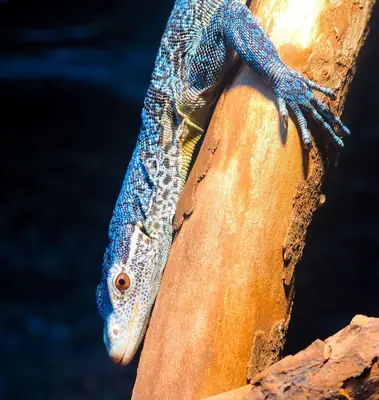
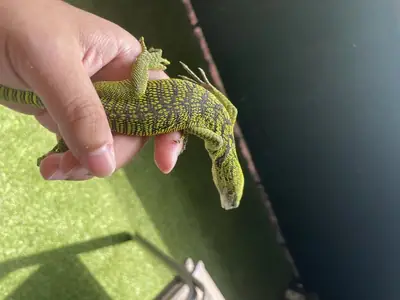
The Monitor Lizard is a captivating reptile known for its intelligence and unique behavior patterns. With over 70 species, they vary significantly in size and habitat needs. This guide provides essential insights into their care, costs, and health considerations.
1. Breed Identity & Standards
Monitor Lizards belong to the genus Varanus, with a range of species spread across Africa, Asia, and Oceania. These reptiles are known for their elongated bodies, strong legs, and whip-like tails. Depending on the species, a Monitor Lizard can range from 20 cm to over 3 meters in length, weighing between 100 grams to over 90 kilograms.
| Trait | Typical Value | Why it Matters |
|---|---|---|
| Origin | Africa, Asia, Oceania | Determines habitat preferences |
| Size | 20 cm to 3+ meters | Varies greatly; affects housing needs |
| Weight | 100 grams to 90+ kg | Influences diet and care requirements |
| Coat | Scaley | Minimal grooming; focus on habitat hygiene |
| Lifespan | 10 to 30 years | Long-term commitment |
2. Temperament & Instincts
Monitor Lizards are highly intelligent, which is evident in their problem-solving abilities and complex hunting strategies. They have a carnivorous diet, primarily preying on insects, smaller reptiles, and occasionally mammals. Their natural curiosity can make them engaging pets, but they also require mental stimulation to prevent boredom.
These lizards can exhibit territorial behavior, especially during feeding or breeding periods. While they are generally solitary, certain species like the Komodo Dragon display social interactions, particularly during hunting. Understanding these behaviors is crucial for providing appropriate care and enrichment.
3. Daily Activity / Exercise Needs by Life Stage
| Life Stage | Target | Notes |
|---|---|---|
| Juvenile | 1-2 hours daily | Focus on exploration and climbing |
| Adult | 2-3 hours daily | Incorporate hunting simulations |
| Senior | 1 hour daily | Gentler activities to prevent stress |
4. Purchase/Adoption Price Framework
The cost of acquiring a Monitor Lizard varies widely depending on the species, size, and location. Prices can range from $100 to $5,000 USD or more for rare species.
| Type | Cost (USD) | Notes |
|---|---|---|
| Common Species | $100 - $500 | Varanus exanthematicus (Savannah Monitor) |
| Intermediate Species | $500 - $1,500 | Varanus albigularis (White-throated Monitor) |
| Rare Species | $2,000 - $5,000+ | Varanus komodoensis (Komodo Dragon) |
5. First-Year Setup + Monthly Running Cost
| Item | Initial Cost (USD) | Monthly Cost (USD) |
|---|---|---|
| Enclosure | $300 - $1,000 | - |
| Heating/Lighting | $100 - $300 | $20 - $50 |
| Diet | - | $30 - $100 |
| Veterinary Care | $50 - $100 | $10 - $30 |
| Miscellaneous | $50 - $200 | $10 - $20 |
| Total (First Year) | $500 - $1,500+ | $70 - $200+ |
6. Nutrition by Life Stage
| Life Stage | Dietary Needs | Notes |
|---|---|---|
| Juvenile | High protein, daily feeding | Insects, small vertebrates |
| Adult | Balanced protein, every other day | Mix of insects and rodents |
| Senior | Lower protein, 2-3 times a week | Focus on easy-to-digest options |
7. Grooming / Coat & Hygiene Care
Monitor Lizards have a scaley skin that requires minimal grooming. However, maintaining a clean and appropriate habitat is essential for preventing skin infections. Regular cleaning of their enclosure, including substrate changes and disinfection, helps maintain their health.
Shedding is a natural process for these reptiles, and providing rough surfaces in their enclosure can aid in this process. Owners should monitor for incomplete sheds, particularly around the digits and tail, which can lead to circulation issues.
8. Health
Monitor Lizards can be prone to certain health conditions, often related to their environment and diet. Regular veterinary check-ups are advised to catch any potential issues early. Common concerns include:
- Metabolic Bone Disease - Often due to insufficient UVB exposure or poor diet.
- Respiratory Infections - Can occur from inadequate humidity or temperature regulation.
- Parasitic Infections - Internal and external parasites are common, necessitating regular fecal checks.
- Obesity - Due to overfeeding or lack of exercise; requires diet management.
Veterinary costs for these conditions can range from $50 to several hundred dollars, depending on severity and treatment required.
9. Training / Behaviour Priorities
While not trainable in the conventional sense, Monitor Lizards benefit from routine and environmental enrichment to stimulate their natural behaviors. Owners should focus on creating a habitat that allows for climbing, burrowing, and hunting simulations. Consistent handling from a young age can aid in socialization, but caution is advised due to their strength and potential aggression.
10. Home Environment Fit
Monitor Lizards are best suited to homes that can accommodate large enclosures and have stable temperature controls. They are not ideal for apartment living unless space permits a sufficient habitat. Due to their size and strength, they are not recommended for homes with small children or pets that may be seen as prey.
These reptiles require a secure environment, with escape-proof enclosures and consideration of their potential impact on local wildlife if they escape.
11. Lifestyle Fit Matrix
| Lifestyle | Fit Verdict | Reason |
|---|---|---|
| Urban Apartment | Poor | Requires large habitat and stable temperatures |
| Suburban Home | Good | Space for large enclosure, outdoor access |
| Rural Environment | Excellent | Ample space and potential for naturalistic setups |
| Family with Young Children | Poor | Risk of injury and potential for stress |
| Single Adult or Couple | Good | Focus on reptile care and enrichment |
12. Breeder / Shelter / Adoption Checklist
- Verify species identification and legal requirements for ownership.
- Ensure the reptile appears healthy and active.
- Ask for records of veterinary visits and health checks.
- Understand the lizard's diet and current feeding schedule.
- Inspect the enclosure setup for size and amenities.
- Confirm the source is reputable and follows ethical breeding practices.
13. FAQ
Do Monitor Lizards make good pets?
Monitor Lizards can be rewarding pets for experienced reptile enthusiasts. They require large, secure enclosures and specialized care, making them less suitable for beginners.
What is the lifespan of a Monitor Lizard?
Depending on the species, Monitor Lizards can live for 10 to 30 years in captivity with proper care. This makes them a significant long-term commitment.
Are Monitor Lizards dangerous?
While not inherently aggressive, Monitor Lizards can inflict serious bites and scratches if threatened. Proper handling and respect for their space are essential.
How do you care for a Monitor Lizard?
Caring for a Monitor Lizard involves providing a suitable environment with appropriate temperature and humidity, a varied diet, and regular health checks. Enrichment is crucial to prevent boredom.
14. Closing Note
Monitor Lizards are fascinating animals that offer unique companionship for those prepared to meet their specific needs. Prospective owners should be ready for the commitment and challenges of keeping such a remarkable reptile.
Consider adopting a Monitor Lizard if you have the space, resources, and dedication to provide an enriching environment. They are best suited for those with prior reptile experience or a strong willingness to learn.